汽车工程 ›› 2025, Vol. 47 ›› Issue (8): 1627-1633.doi: 10.19562/j.chinasae.qcgc.2025.08.018

• • 上一篇    

碳纤维共混对碳纸性能调控的影响

昌志龙1,2,陈辉2,陶金2,曹维宇1,沈志刚2()   

  1. 1.北京化工大学,碳纤维及功能高分子教育部重点实验室,北京 100029
    2.中石化(上海)石油化工研究院有限公司,上海 201208
  • 收稿日期:2025-03-25 修回日期:2025-05-15 出版日期:2025-08-25 发布日期:2025-08-18
  • 通讯作者: 沈志刚 E-mail:shenzg.sshy@sinopec.com

Influence of Carbon Fiber Blending on the Performance Regulation of Carbon Paper

Zhilong Chang1,2,Hui Chen2,Jin Tao2,Weiyu Cao1,Zhigang Shen2()   

  1. 1.Beijing University of Chemical Technology,The Key Laboratory of Education Ministry on Carbon Fiber and Functional Polymer,Beijing 100029
    2.SINOPEC Shanghai Research Institute of Petrochemical Technology Co. ,Ltd. ,Shanghai 201208
  • Received:2025-03-25 Revised:2025-05-15 Online:2025-08-25 Published:2025-08-18
  • Contact: Zhigang Shen E-mail:shenzg.sshy@sinopec.com

摘要:

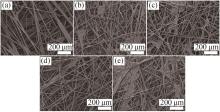
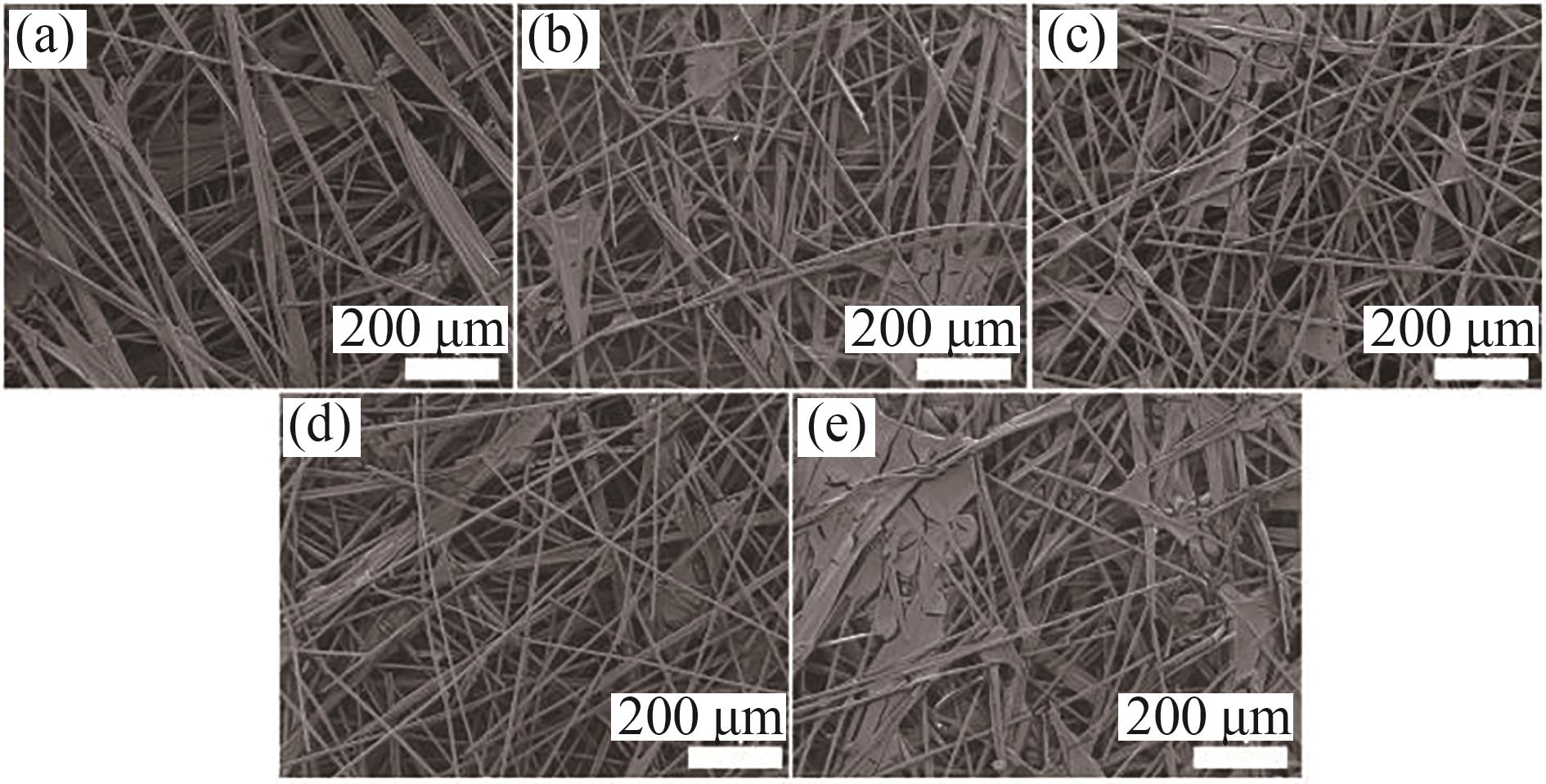
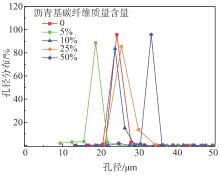
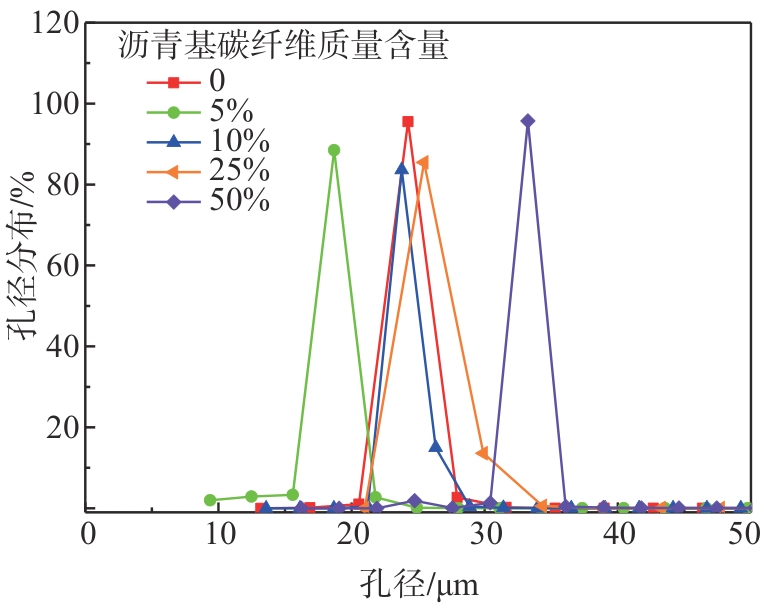
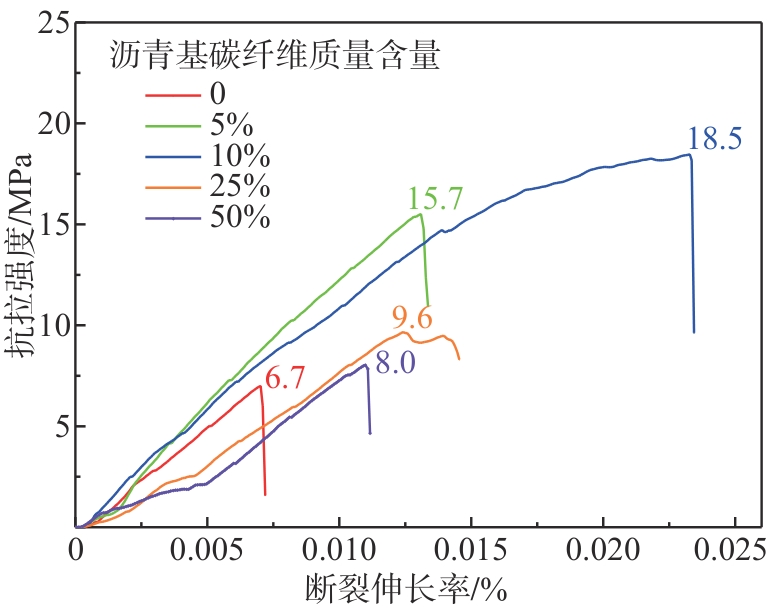
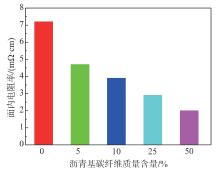
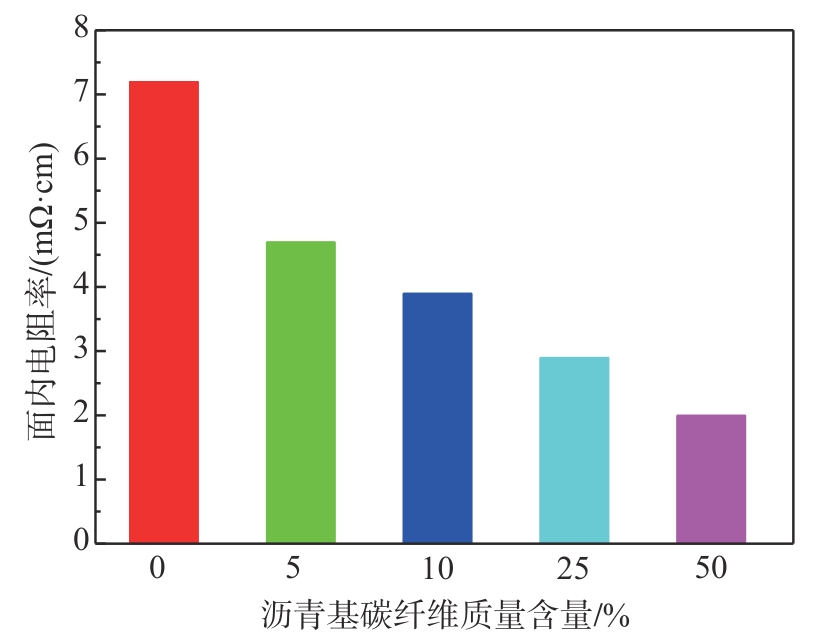
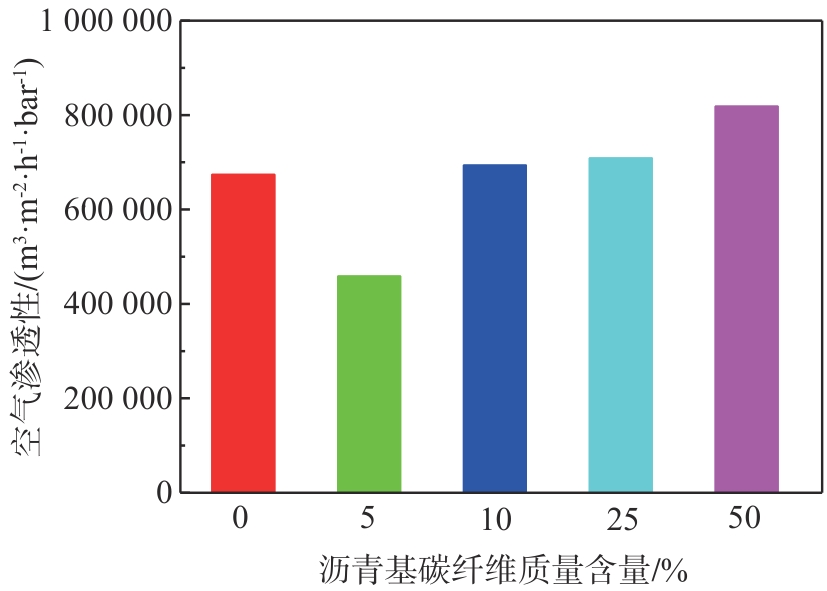
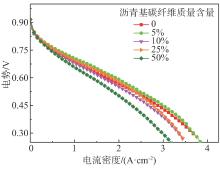
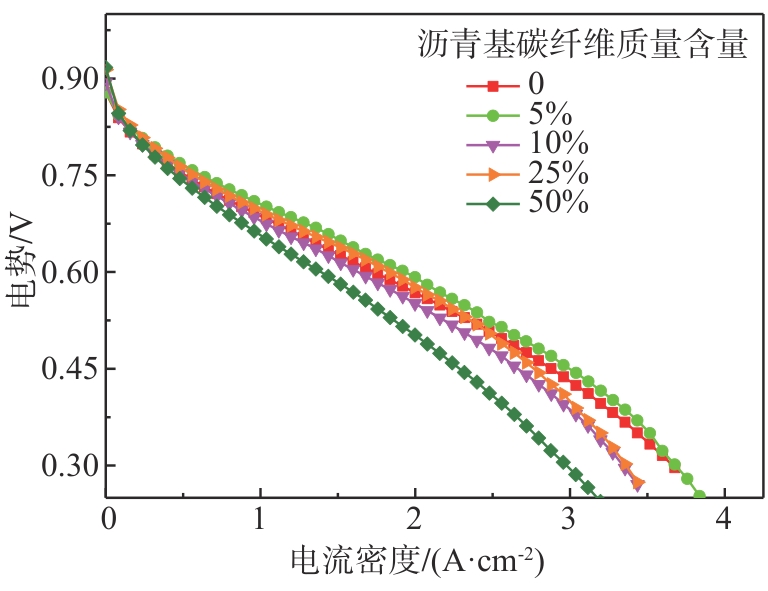
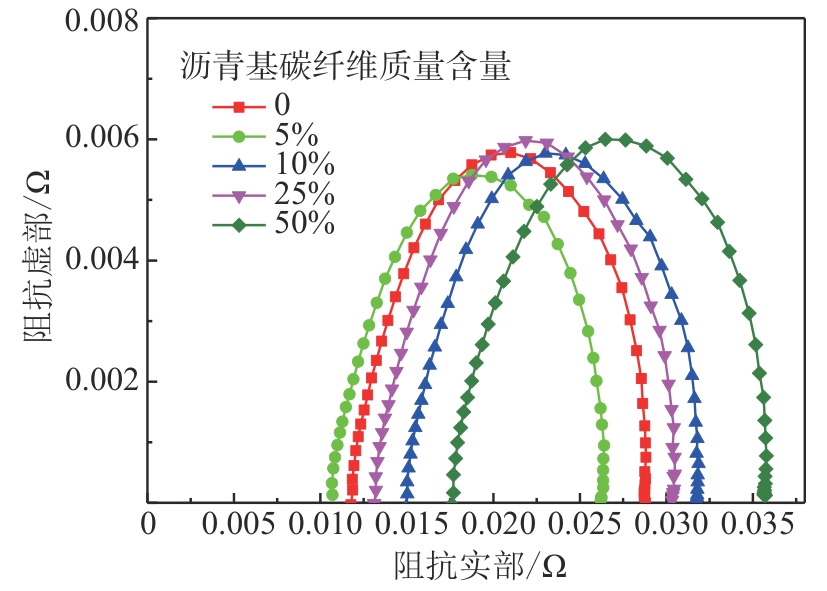
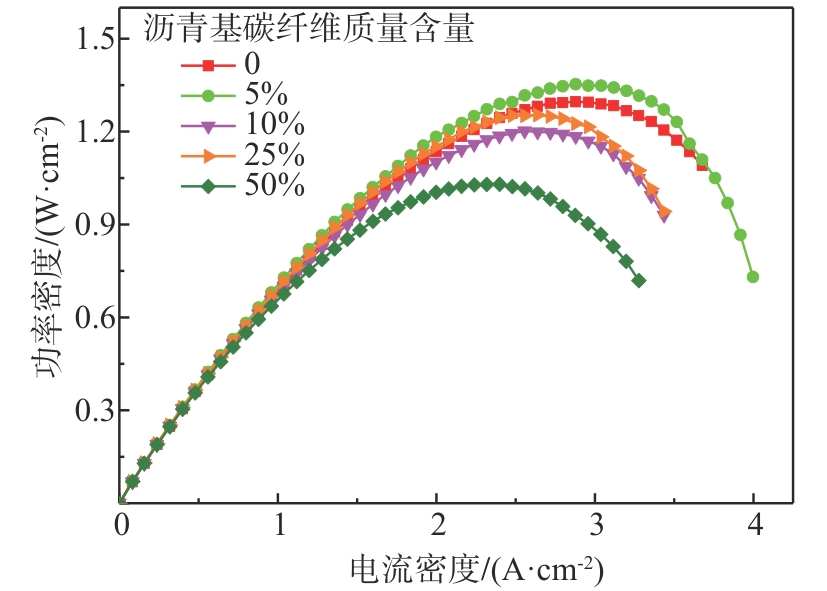
本研究系统探究了不同比例(0、5%、10%、25%、50%) 沥青基碳纤维掺杂对聚丙烯腈 (PAN) 基碳纸性能的影响。通过扫描电镜、拉伸强度测试、面内电阻率测试、透气性测试、孔径分布分析、极化曲线、功率密度测试和电化学阻抗谱 (EIS) 等方法,对碳纸的微观结构、力学、电学、气体传输和电化学性能进行了全面表征。结果表明,沥青基碳纤维的掺杂显著降低了碳纸的面内电阻率,从未掺杂时的 7.2 mΩ·cm 降至 50% 掺杂量时的 2.0 mΩ·cm。拉伸强度随掺杂比例的变化呈现先升高后降低的趋势,在 10% 掺杂量时达到峰值 18.5 MPa,较未掺杂时提升了约 176%。透气性随掺杂比例的增加呈现先降低后升高的趋势,且孔径分布也随之变化。膜电极和单电池测试结果显示,5% 沥青基碳纤维掺杂的碳纸表现出最佳的电化学性能,包括更低的电化学阻抗和更高的功率密度,这主要归因于其优异的水气管理能力。本研究结果揭示了沥青基碳纤维掺杂对 PAN 基碳纸性能的调控规律,为燃料电池气体扩散层的优化设计提供了参考。

关键词: 碳纸, 聚丙烯腈碳纤维, 沥青基碳纤维, 面内电阻率, 拉伸强度, 透气性, 功率密度

Abstract:

The impact of doping different proportions (0, 5%, 10%, 25%, and 50%) of pitch-based carbon fiber on the properties of polyacrylonitrile (PAN)-based carbon paper is implored in this study. The microstructure, mechanical, electrical, gas transport, and electrochemical properties of the carbon paper are systematically characterized using scanning electron microscopy (SEM), tensile strength measurements, in-plane resistivity measurements, air permeability tests, pore size distribution analysis, polarization curves, power density measurements, and electrochemical impedance spectroscopy (EIS). The results show that doping pitch-based carbon fiber can significantly reduce the in-plane resistivity of the carbon paper, decreasing from 7.2 mΩ·cm to 2.0 mΩ·cm at a doping ratio of 50%. The tensile strength exhibits a trend of increasing followed by decreasing with increasing doping ratio, reaching the peak of 18.5 MPa at a 10% doping ratio, an approximately 176% increase compared to the undoped sample. The air permeability shows a trend of decreasing followed by increasing with increasing doping ratio, and the pore size distribution changes accordingly. Membrane electrode assembly (MEA) and single-cell tests indicate that the carbon paper doped with 5% pitch-based carbon fiber exhibits the best electrochemical performance, including lower electrochemical impedance and higher power density, attributed to its excellent water management capability. The findings reveal the regulatory effect of pitch-based carbon fiber doping on the properties of PAN-based carbon paper, providing a reference for optimizing the performance of gas diffusion layers of fuel cells.

Key words: carbon paper, polyacrylonitrile carbon fiber, pitch-based carbon fiber, in-plane resistivity, tensile strength, air permeability, power density