汽车工程 ›› 2025, Vol. 47 ›› Issue (8): 1616-1626.doi: 10.19562/j.chinasae.qcgc.2025.08.017

• • 上一篇    

轻量化铝陶制动盘在新能源汽车上的应用研究

曹柳絮1,2,汪衡虎2,霍树海2,陈秋儿3,陶乐晓3,马一鸣3,杨霄峰4,丁鑫5,蒋兆汝2,刘春轩2,戴青松2,张晓泳1()   

  1. 1.中南大学,长沙 410006
    2.湖南湘投轻材科技股份有限公司,长沙 410205
    3.上海蔚来汽车有限公司,上海 201805
    4.埃梯梯精密机械制造(无锡)有限公司,无锡 214028
    5.上海华信摩擦材料有限公司,上海 201411
  • 收稿日期:2024-10-16 修回日期:2025-01-09 出版日期:2025-08-25 发布日期:2025-08-18
  • 通讯作者: 张晓泳 E-mail:zhangxiaoyong@csu.edu.cn
  • 基金资助:
    湖南省科技创新计划项目(2022WZ1002)

Research on the Application of Lightweight Aluminum-Ceramic Brake Discs in New Energy Vehicles

Liuxu Cao1,2,Henghu Wang2,Shuhai Huo2,Qiuer Chen3,Lexiao Tao3,Yiming Ma3,Xiaofeng Yang4,Xin Ding5,Zhaoru Jiang2,Chunxuan Liu2,Qingsong Dai2,Xiaoyong Zhang1()   

  1. 1.Central South University,Changsha 410006
    2.Hunan Xiangtou Light Material Technology Co. ,Ltd. ,Changsha 410205
    3.NIO Inc. ,Shanghai 201805
    4.ITT Precision Machinery Manufacturing (Wuxi) Co. ,Ltd. ,Wuxi 214028
    5.Shanghai Huaxin Friction Materials Co. ,Ltd. ,Shanghai 201411
  • Received:2024-10-16 Revised:2025-01-09 Online:2025-08-25 Published:2025-08-18
  • Contact: Xiaoyong Zhang E-mail:zhangxiaoyong@csu.edu.cn

摘要:

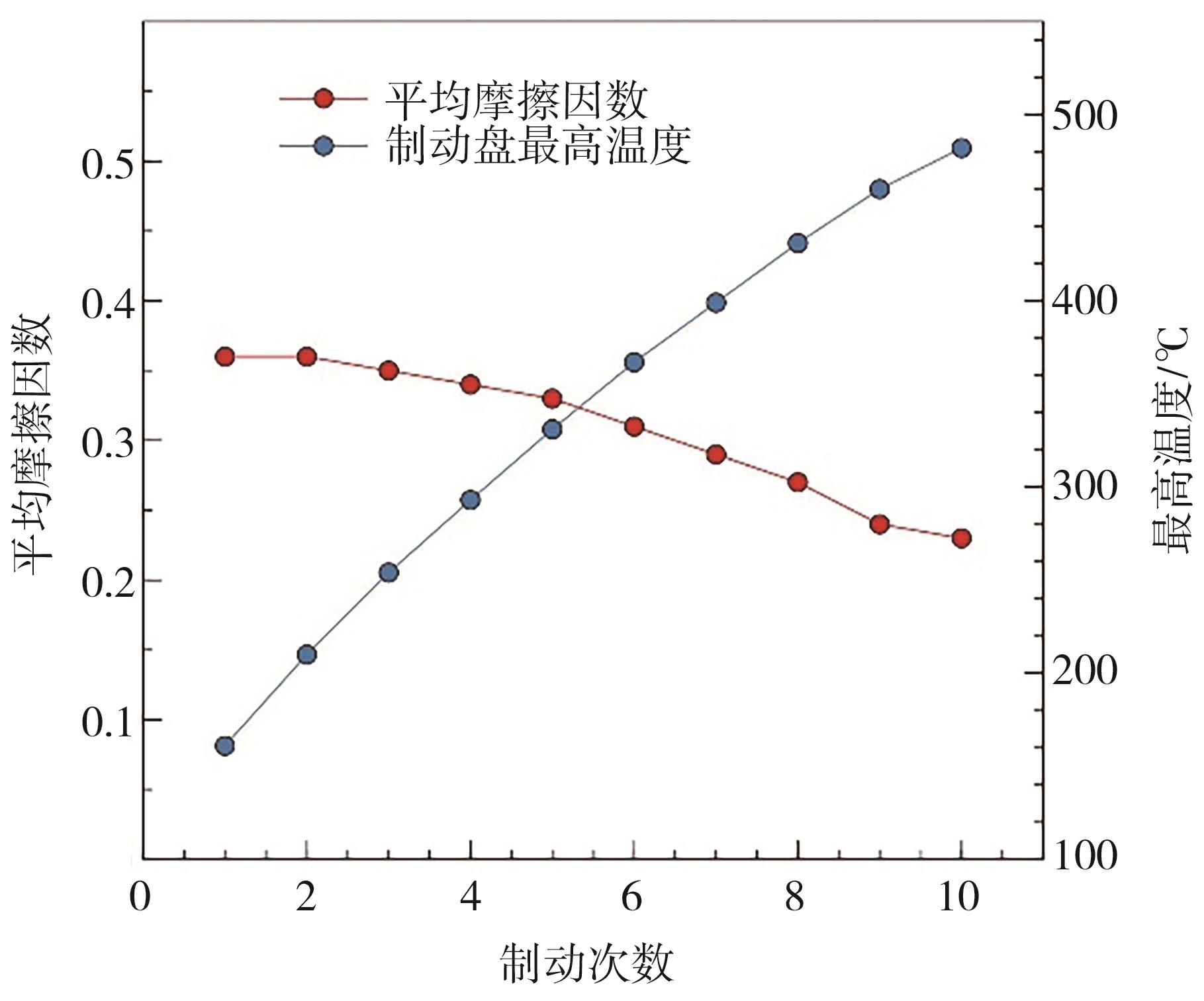
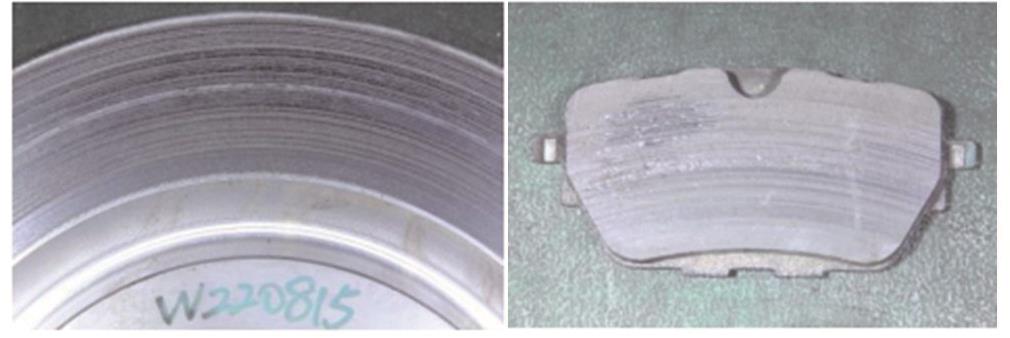
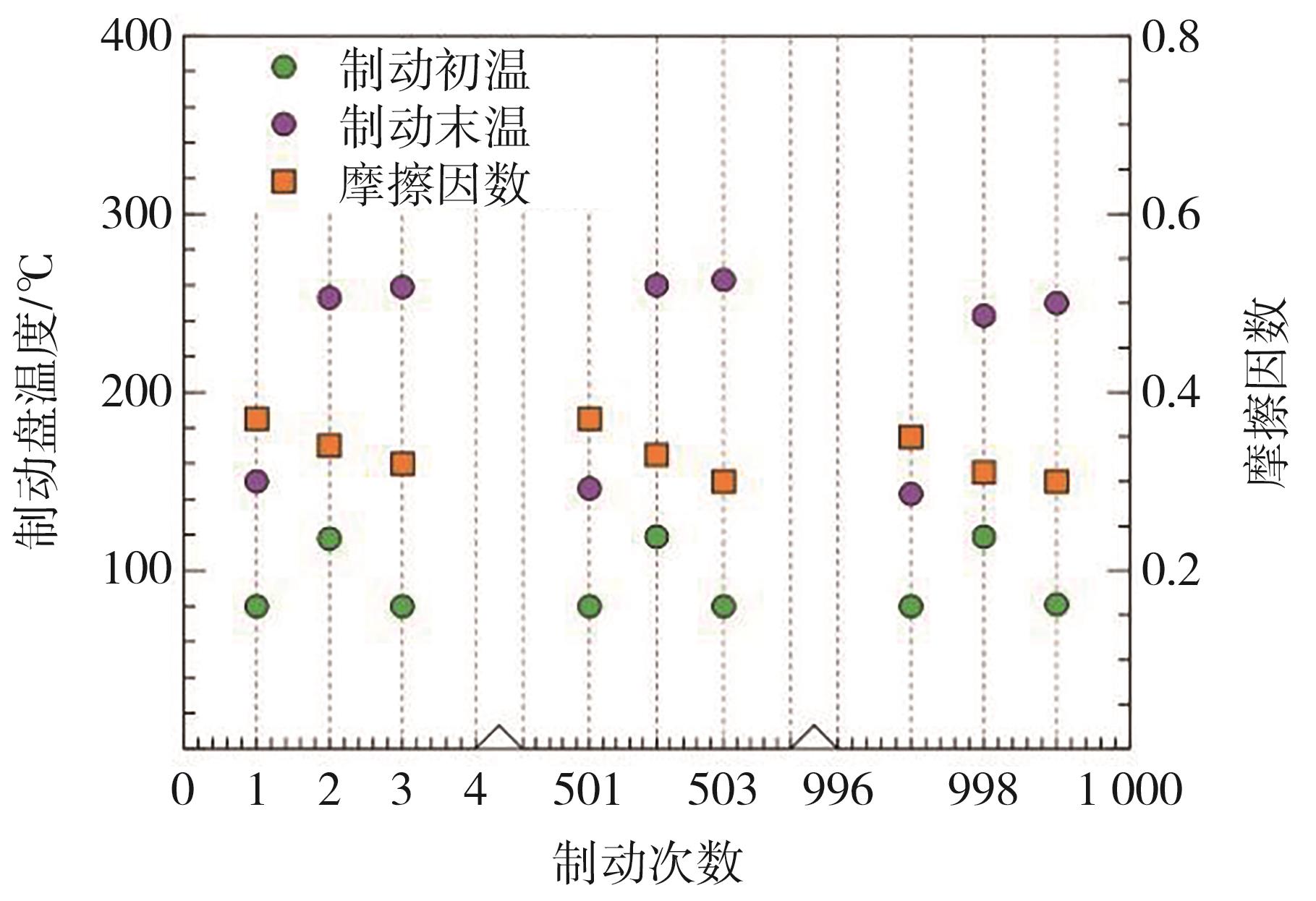
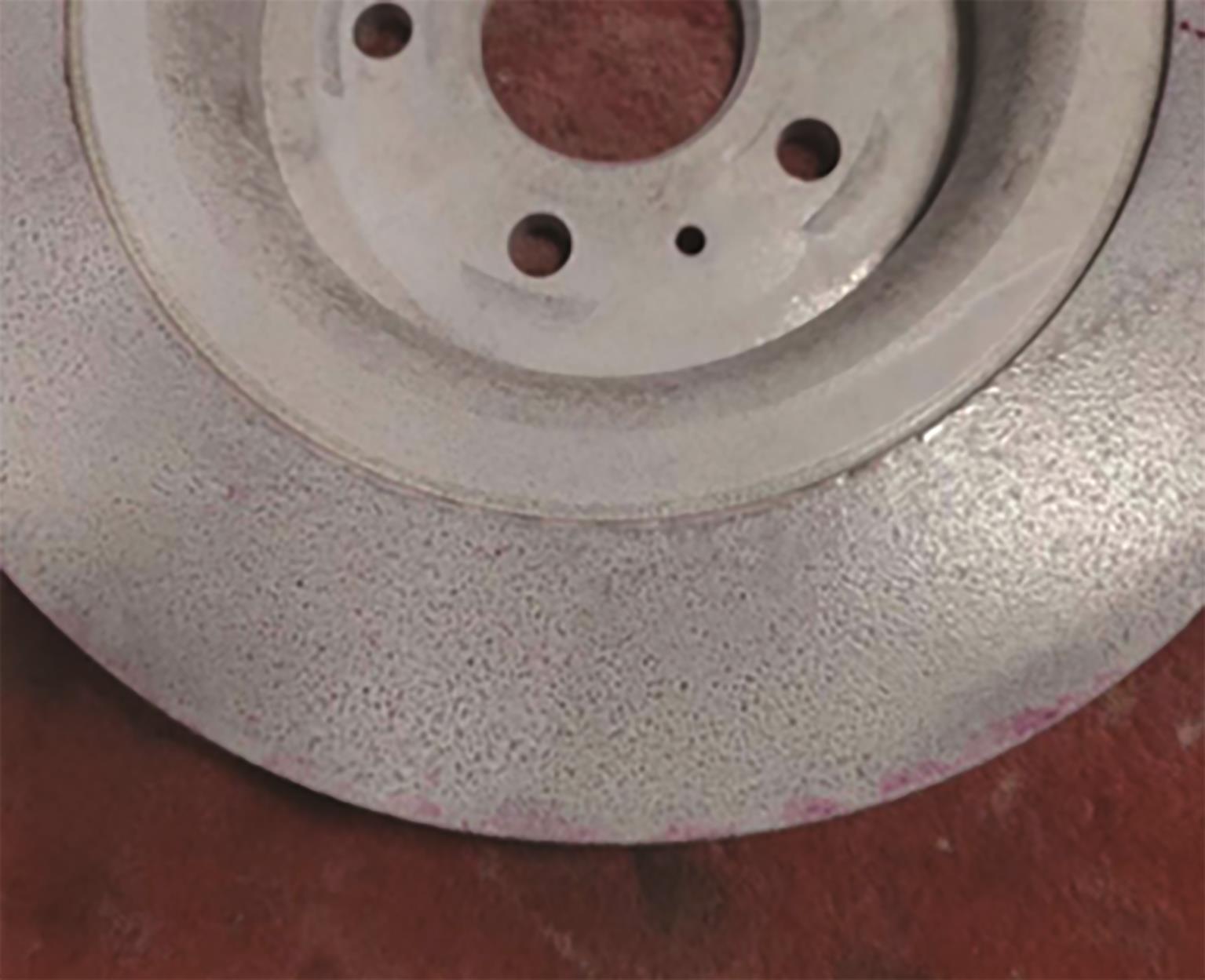
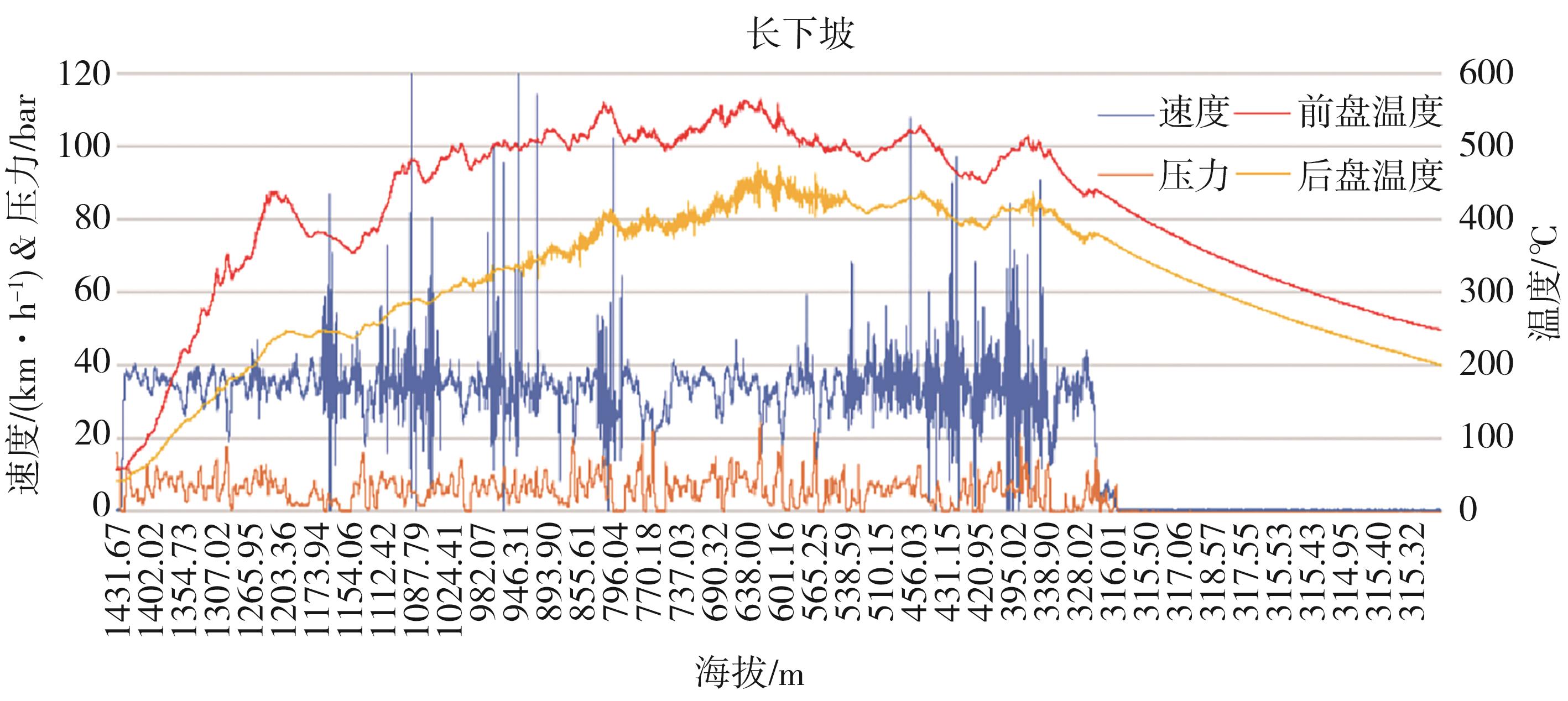
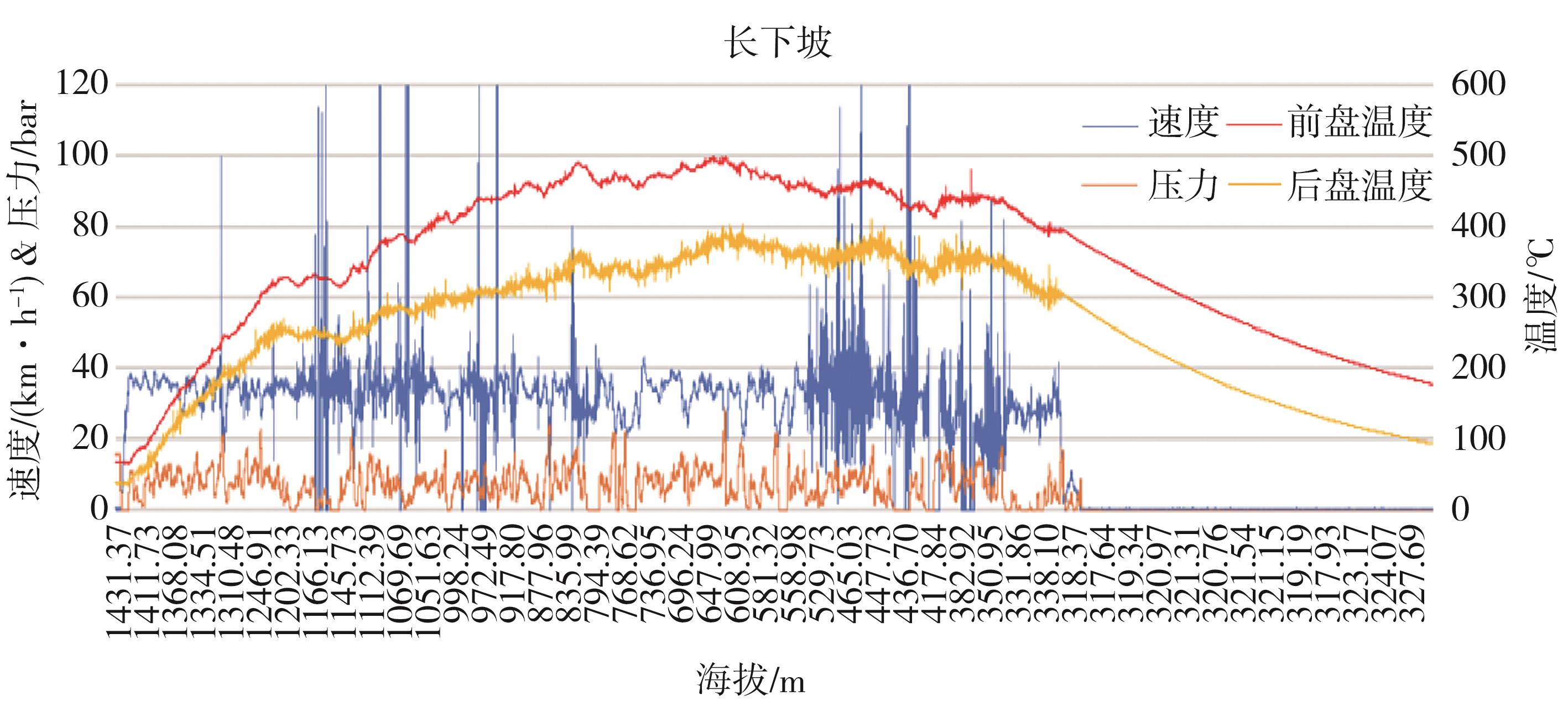
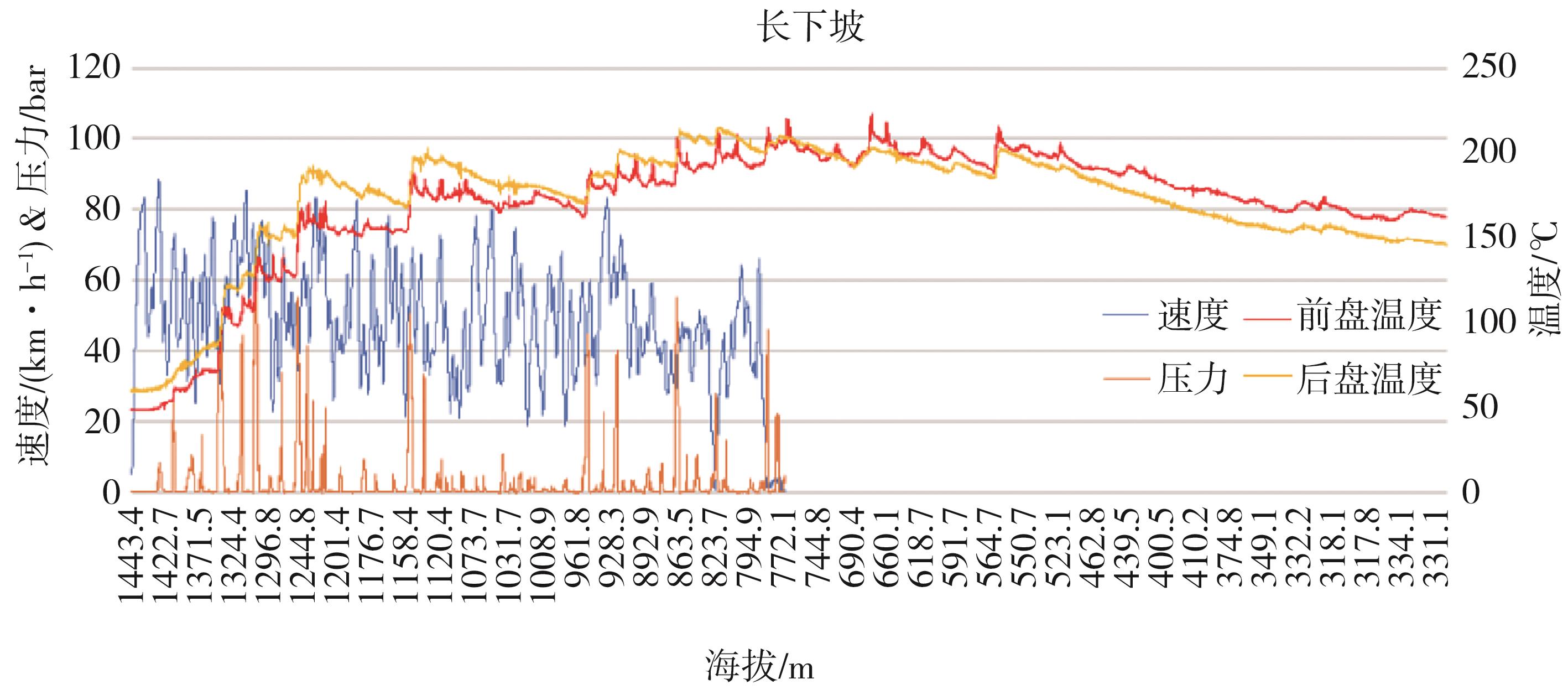
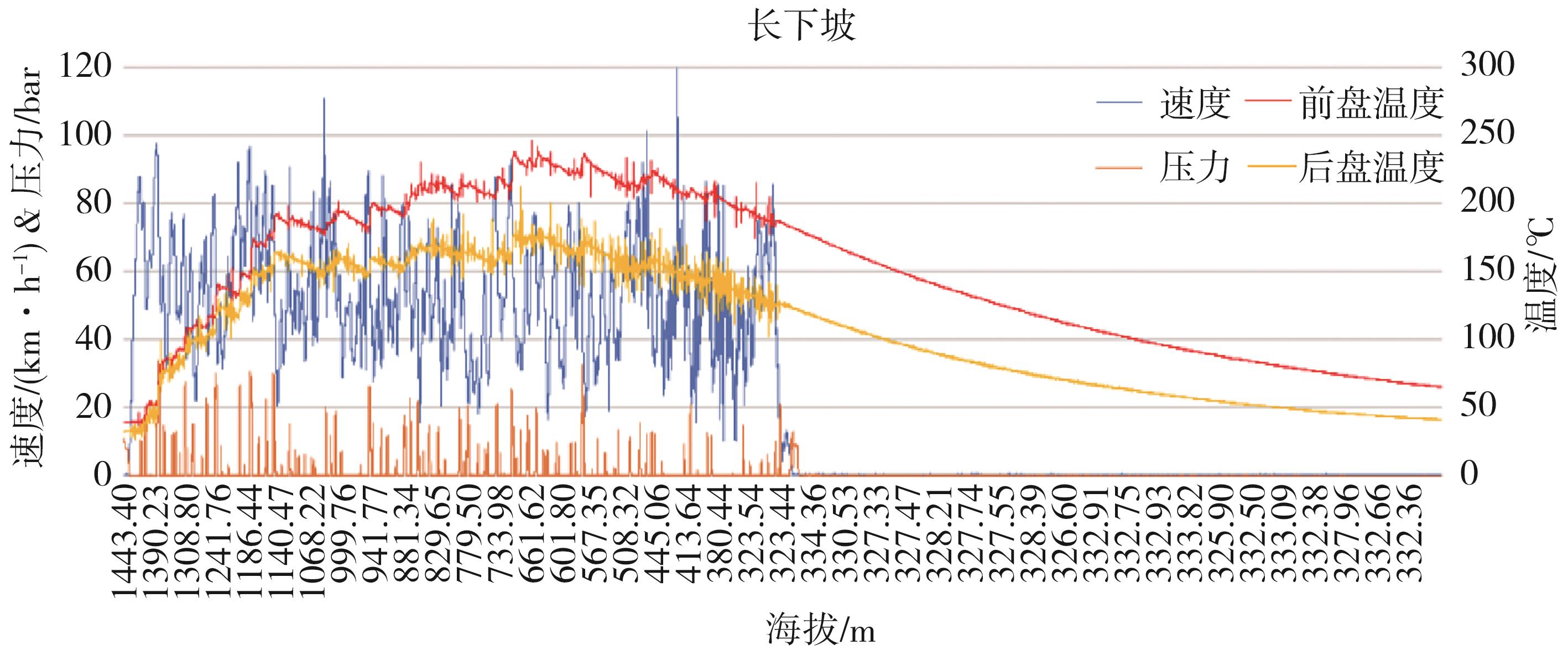
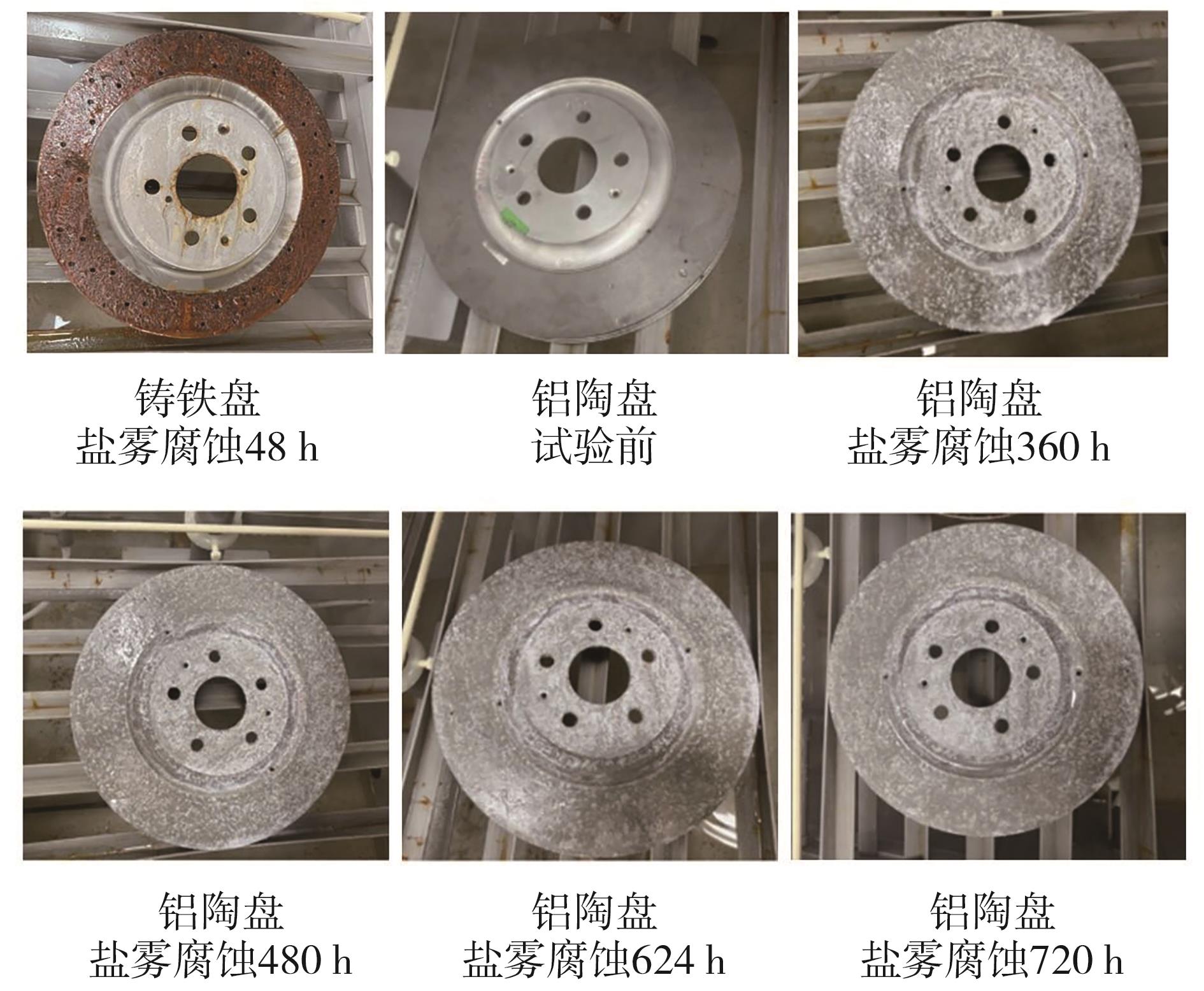
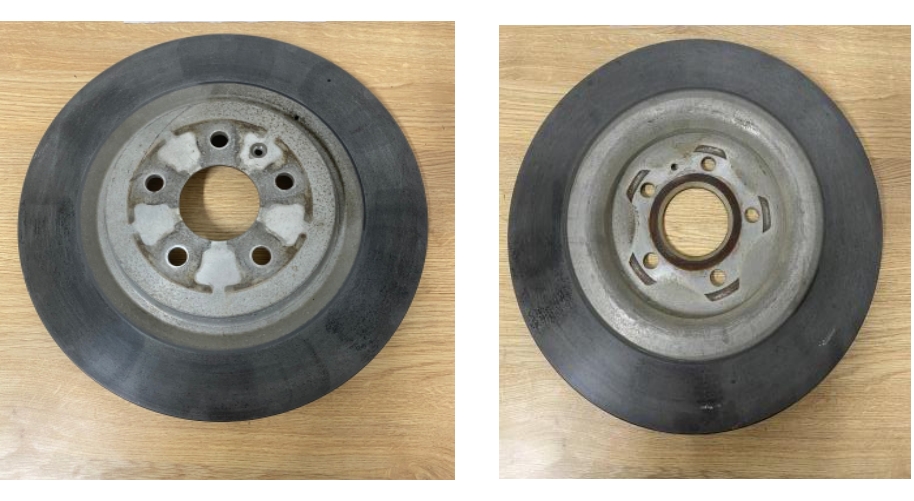
在碳达峰碳中和的背景下,新能源汽车对轻量化的需求日益迫切。制动盘作为关键部件,其轻量化不仅减轻簧下质量,还有利于提高车辆电效能和易操控性。与传统铸铁制动盘相比,铝陶制动盘在综合性能方面具有明显优势,在生产效率和成本效益上也展现出一定的竞争力,逐渐成为行业关注的替代选择。然而,对铝陶制动盘在实际使用工况下的台架测试及装车路试的研究较少,对其在新能源乘用车上的性能评估不够全面。基于此,本文首次通过台架测试、装车路试和耐腐蚀试验全面验证和分析了铝陶制动盘的性能。研究结果表明,铝陶盘在摩擦因数稳定性方面优于铸铁盘,名义摩擦因数能维持在0.3~0.35。同时铝陶制动盘能够承受高达500 ℃的高温,显著高于此前报道的耐温度;在黑山谷长下坡路试中,能量回收关闭时,铝陶前后制动盘的最高温度分别比铸铁制动盘低83和108 ℃;装车路试和耐腐蚀结果显示,铝陶制动盘在噪声、抖动、耐磨、耐腐蚀特性表现优异,预测使用寿命可达100万km,在极端环境和道路条件下具有良好的适应性、可靠性和耐久性。这一研究结果不仅为新能源乘用车提供了更可靠的制动系统解决方案,也有助实现节能减排效益,推动新能源乘用车的可持续发展。

关键词: 铝陶制动盘, 台架测试, 装车路试, 耐腐蚀

Abstract:

In the context of carbon peaking and carbon neutrality, the demand for lightweight in new energy vehicles is increasingly urgent. As a critical component, the lightweight design of brake discs not only reduces unsprung weight but also enhances the vehicle energy efficiency and handling. Compared with the traditional cast iron brake discs, aluminum ceramic brake discs have obvious advantages in terms of comprehensive performance, and also show a certain degree of competitiveness in terms of production efficiency and cost-effectiveness, gradually becoming an alternative choice for the industry to focus on. However, there is limited research on bench tests and road tests of aluminum-ceramic brake discs under real working conditions and the performance evaluation of them in new energy vehicles is not comprehensive. Therefore, in this study the performance of aluminum-ceramic brake discs is comprehensively verified and analyzed for the first time through bench tests, road trials, and corrosion resistance tests. The results show that aluminum-ceramic brake discs outperform cast iron discs in terms of friction coefficient stability, with a nominal coefficient maintained between 0.3 and 0.35. Additionally, the aluminum-ceramic brake discs can withstand temperature up to 500 ℃, significantly higher than previously reported. During a long downhill test in the Heishan Valley, with energy recovery turned off, the maximum temperature of the aluminum-ceramic front and rear brake discs is 83 and 108 ℃ lower, respectively, than those of cast iron brake discs. The road trials and corrosion resistance tests show that aluminum-ceramic brake discs perform excellently in terms of noise, vibration, wear resistance, and corrosion resistance, with an estimated service life of up to 1 million kilometers, demonstrating good adaptability, reliability, and durability in extreme environment and road conditions. This research not only provides a more reliable braking system solution for new energy vehicles but also contributes to energy-saving and emission reduction, promoting sustainable development of the new energy vehicles.

Key words: aluminum-ceramic brake disc, bench test, road trial, corrosion resistance