汽车工程 ›› 2025, Vol. 47 ›› Issue (7): 1344-1356.doi: 10.19562/j.chinasae.qcgc.2025.ep.002

• • 上一篇    

智能驾驶系统实时校验机制的研究

赵国栋1(),秦朋来2,苏琛1   

  1. 1.北京超星未来科技有限公司,北京 100083
    2.上海蔚来汽车有限公司,上海 201800
  • 收稿日期:2025-02-28 修回日期:2025-04-29 出版日期:2025-07-25 发布日期:2025-07-18
  • 通讯作者: 赵国栋 E-mail:gd_zhao@163.com

Research on Real Time Verification Mechanism of Intelligent Driving System

Guodong Zhao1(),Penglai Qin2,Chen Su1   

  1. 1.Beijing Novauto Technology Co. ,Ltd. ,Beijing 100083
    2.Shanghai NIO Automotive Co. ,Ltd. ,Shanghai 201800
  • Received:2025-02-28 Revised:2025-04-29 Online:2025-07-25 Published:2025-07-18
  • Contact: Guodong Zhao E-mail:gd_zhao@163.com

摘要:

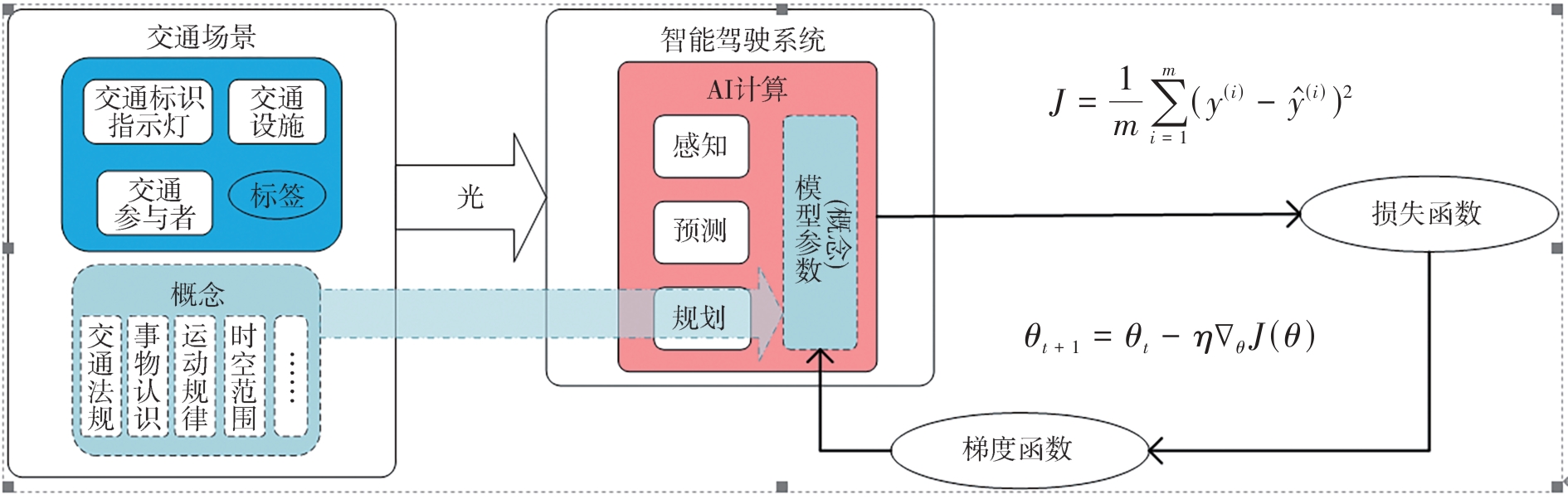
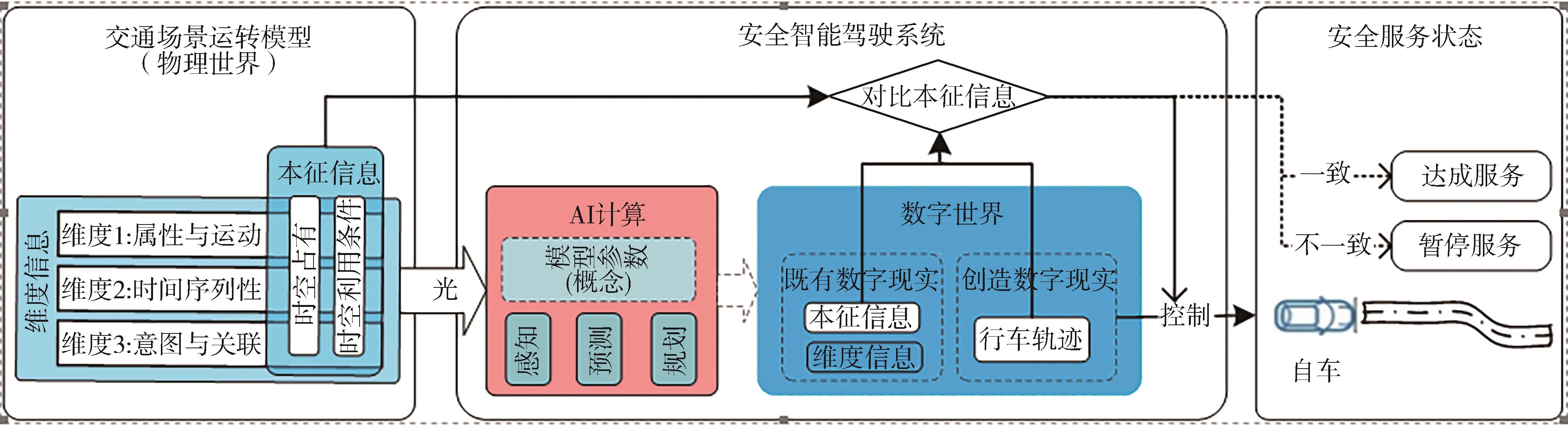
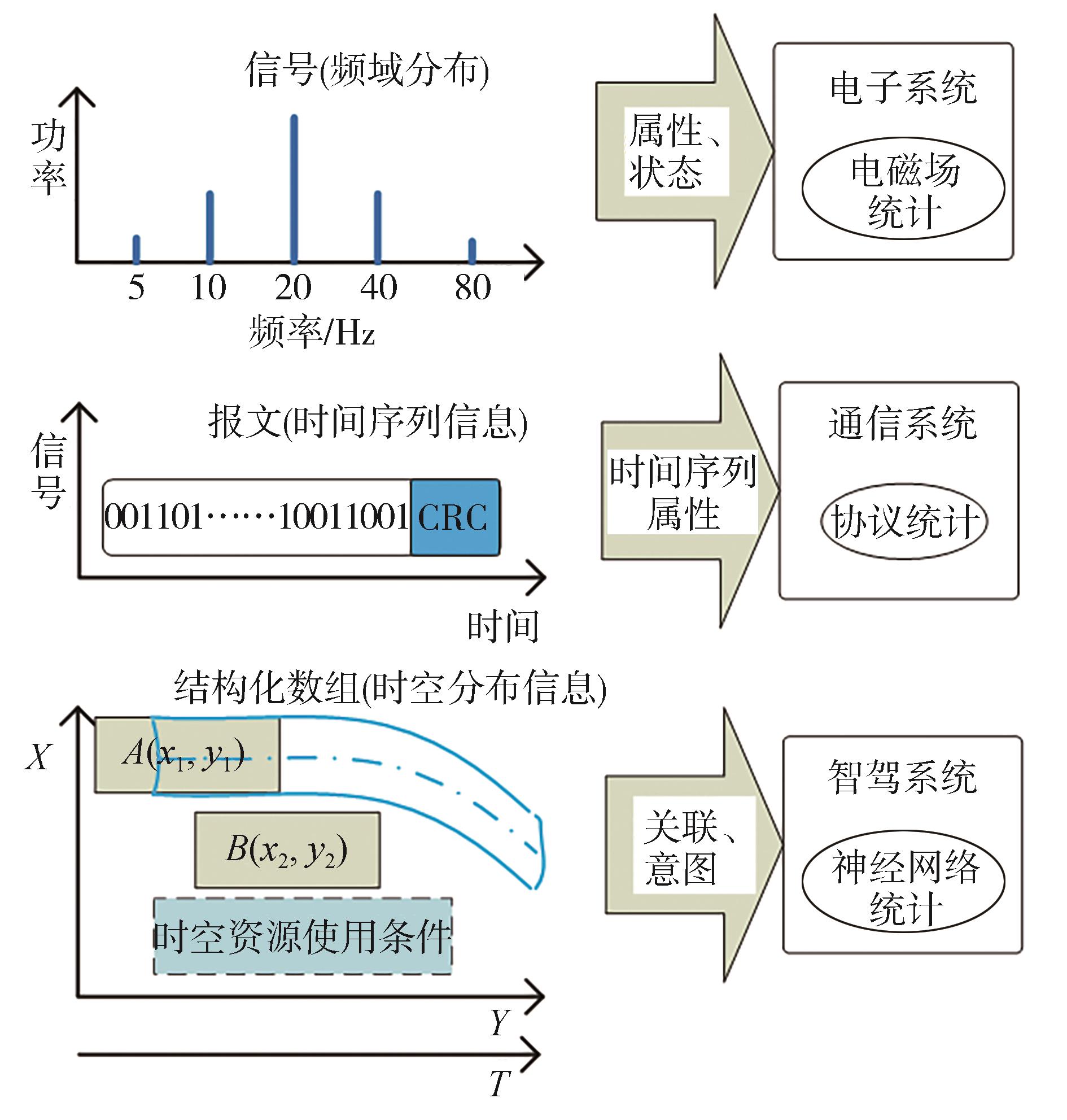
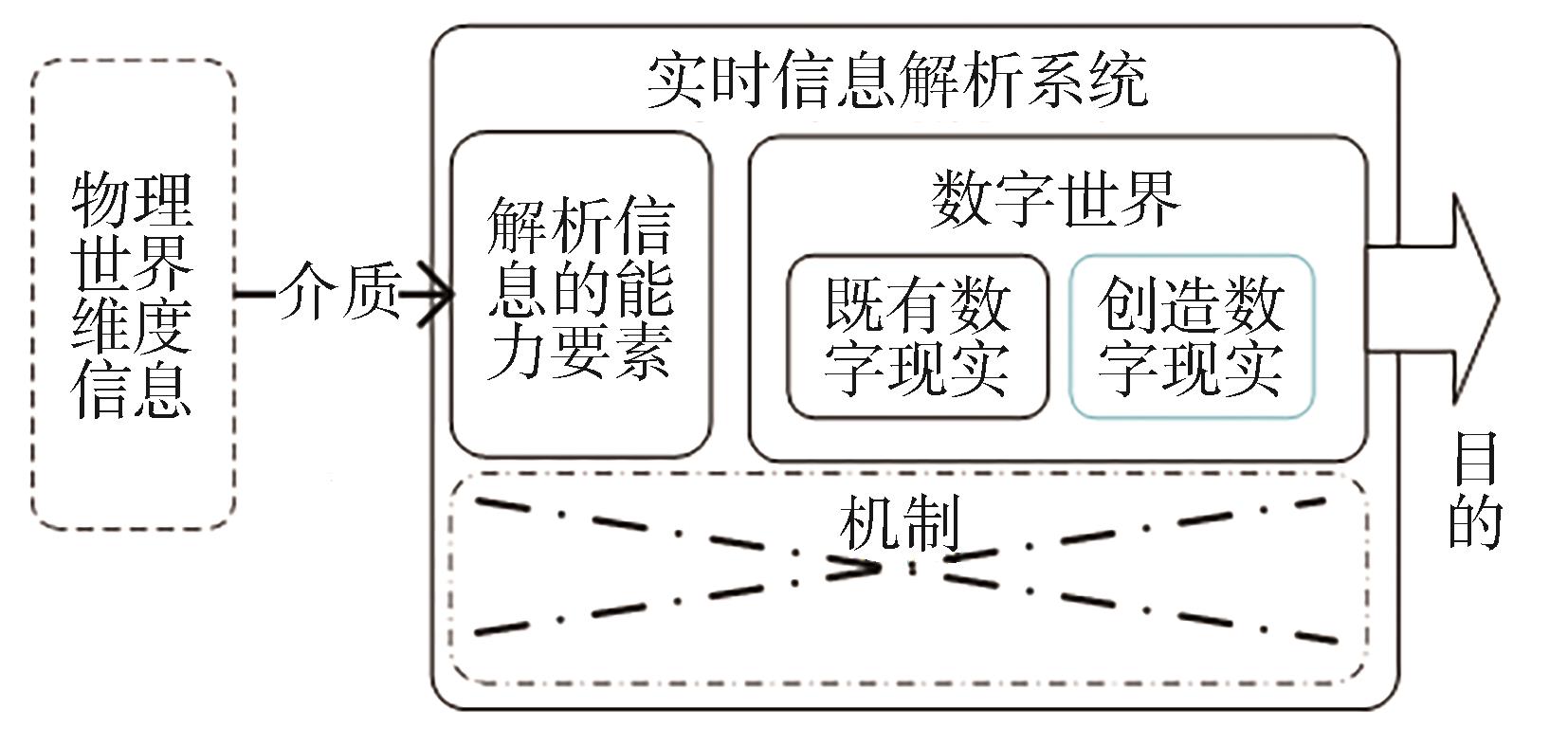
当前以AI计算为核心构建的智能驾驶系统,受限于AI计算的不可解释性与交通场景的无限动态性,在理论层面难以形成逻辑自洽的安全体系,现实中频发的事故也对产业公信力造成冲击。本文从信息论与系统论维度提出创新性解决方案:提出一种对比本征信息的实时校验机制,并设计产业化落地路径。研究突破传统范式,通过定义安全状态、构建交通场景信息模型,论证了实时校验机制的核心原理:通过对比物理世界与数字世界的本征信息,实时探测AI计算误差,确保系统的运行在理论上始终收敛于安全状态。通过严谨的理论推导,该机制的原理具有普适性,其不仅适用于智能驾驶系统重构,亦可为电子系统与通信系统安全的安全原理提供新的解释维度。

关键词: 场景维度信息, 场景本征信息, 守恒与对称, 实时校验机制, 时空占有

Abstract:

The current intelligent driving systems constructed based on AI computing are constrained by the inexplicability of AI computation and the infinite dynamics of traffic scenarios. Theoretically, they struggle to form a logically self-consistent safety system, while frequent real-world accidents have eroded industry credibility. In this paper, an innovative solution is proposed from the perspectives of information theory and systems theory: introducing a real-time verification mechanism based on comparative eigen-information and designing an industrial implementation path. Breaking through traditional paradigms, the study defines safe states and constructs an information model for traffic scenarios to demonstrate the core principle of the real-time verification mechanism. By comparing the eigen-information of the physical world and the digital world, AI calculation errors are detected in real time to ensure the system theoretically converges to a safe state during operation. Through rigorous theoretical deduction, the mechanism's principles exhibit universality, applying not only to reconstructing intelligent driving systems but also providing a new explanatory dimension for the safety principles of electronic and communication systems.

Key words: scenario dimension information, scene intrinsic information, conservation and symmetry, real-time verification mechanism, time and space occupation