Administrator by China Associction for Science and Technology
Sponsored by China Society of Automotive Engineers
Published by AUTO FAN Magazine Co. Ltd.

Automotive Engineering ›› 2025, Vol. 47 ›› Issue (8): 1616-1626.doi: 10.19562/j.chinasae.qcgc.2025.08.017

Previous Articles    

Research on the Application of Lightweight Aluminum-Ceramic Brake Discs in New Energy Vehicles

Liuxu Cao1,2,Henghu Wang2,Shuhai Huo2,Qiuer Chen3,Lexiao Tao3,Yiming Ma3,Xiaofeng Yang4,Xin Ding5,Zhaoru Jiang2,Chunxuan Liu2,Qingsong Dai2,Xiaoyong Zhang1()   
  1. 1.Central South University,Changsha 410006
    2.Hunan Xiangtou Light Material Technology Co. ,Ltd. ,Changsha 410205
    3.NIO Inc. ,Shanghai 201805
    4.ITT Precision Machinery Manufacturing (Wuxi) Co. ,Ltd. ,Wuxi 214028
    5.Shanghai Huaxin Friction Materials Co. ,Ltd. ,Shanghai 201411
  • Received:2024-10-16 Revised:2025-01-09 Online:2025-08-25 Published:2025-08-18
  • Contact: Xiaoyong Zhang E-mail:zhangxiaoyong@csu.edu.cn

Abstract:

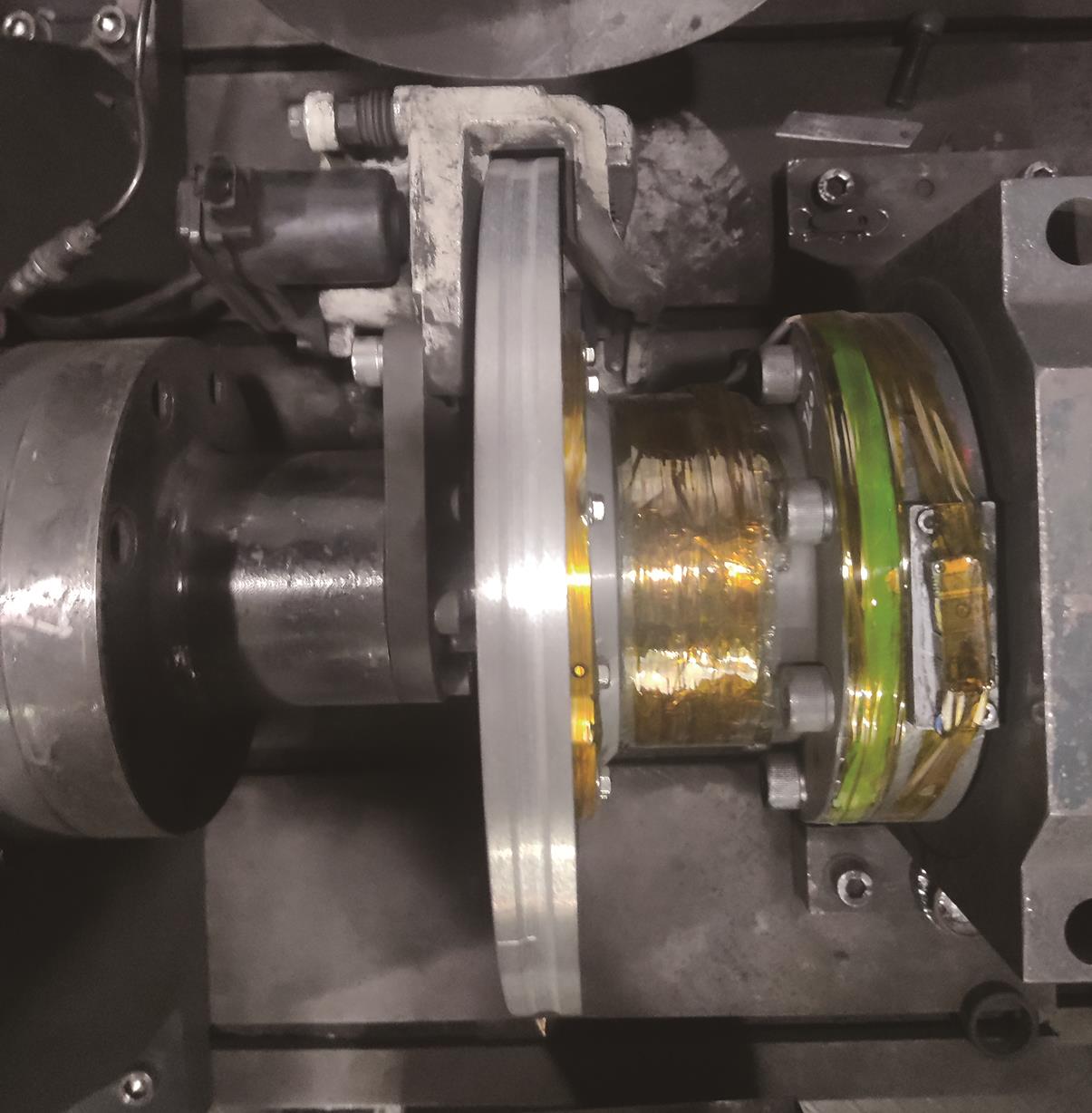
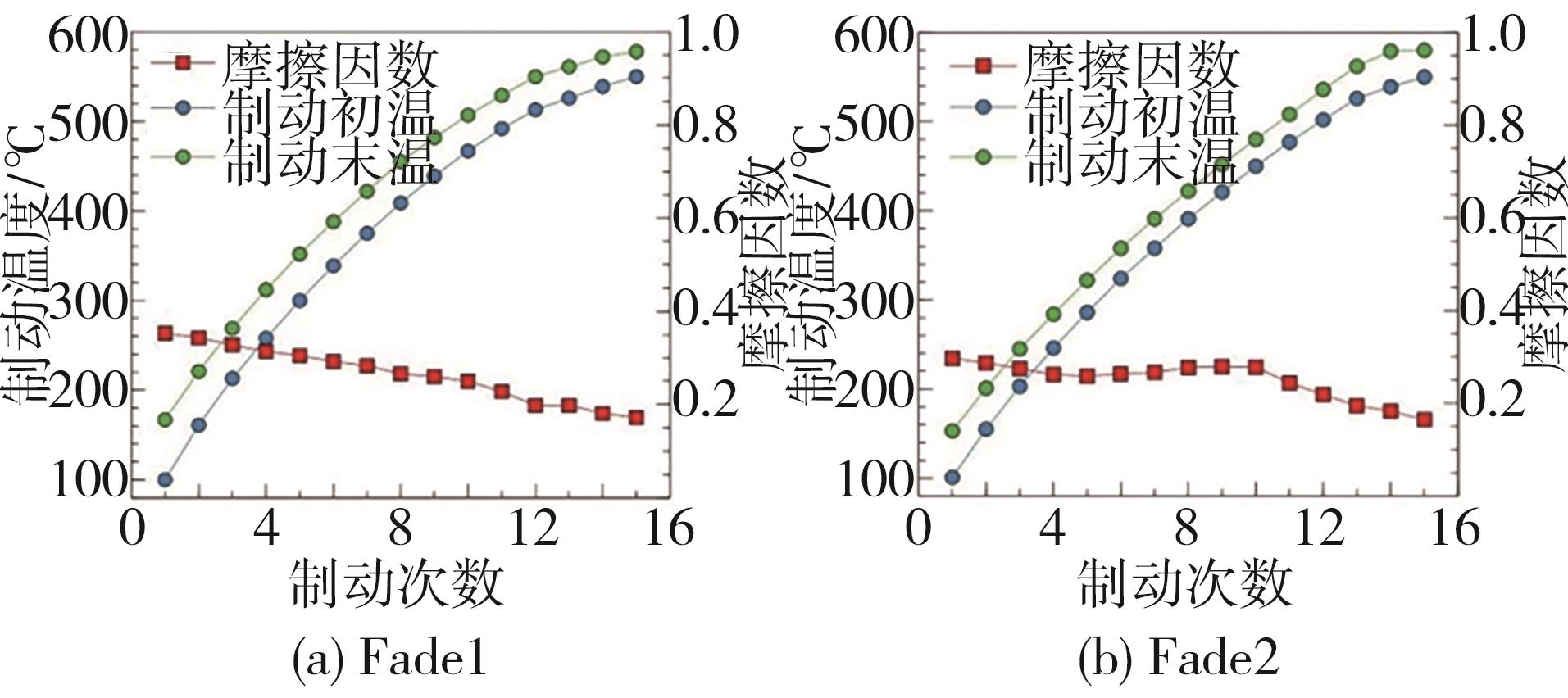
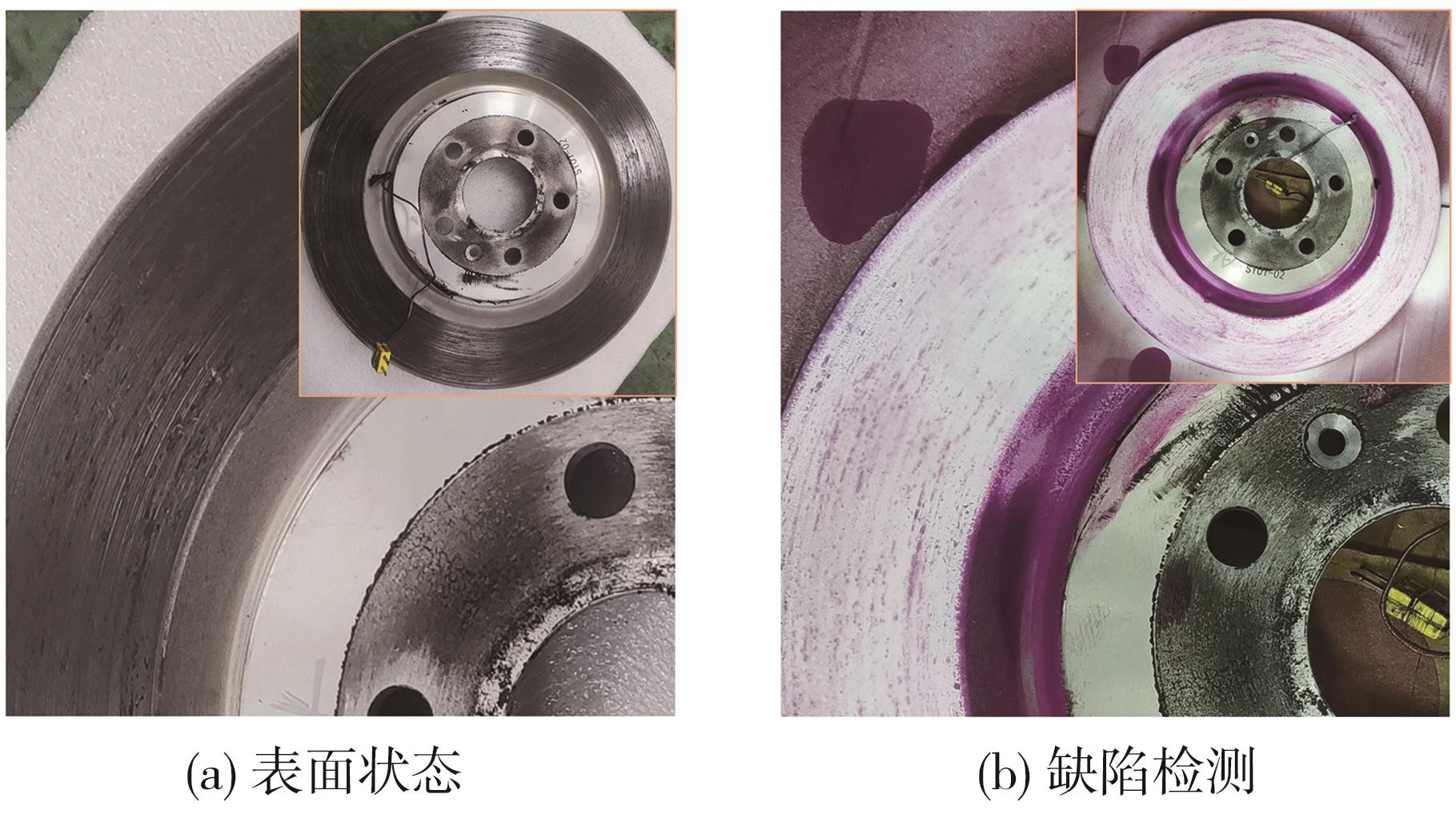
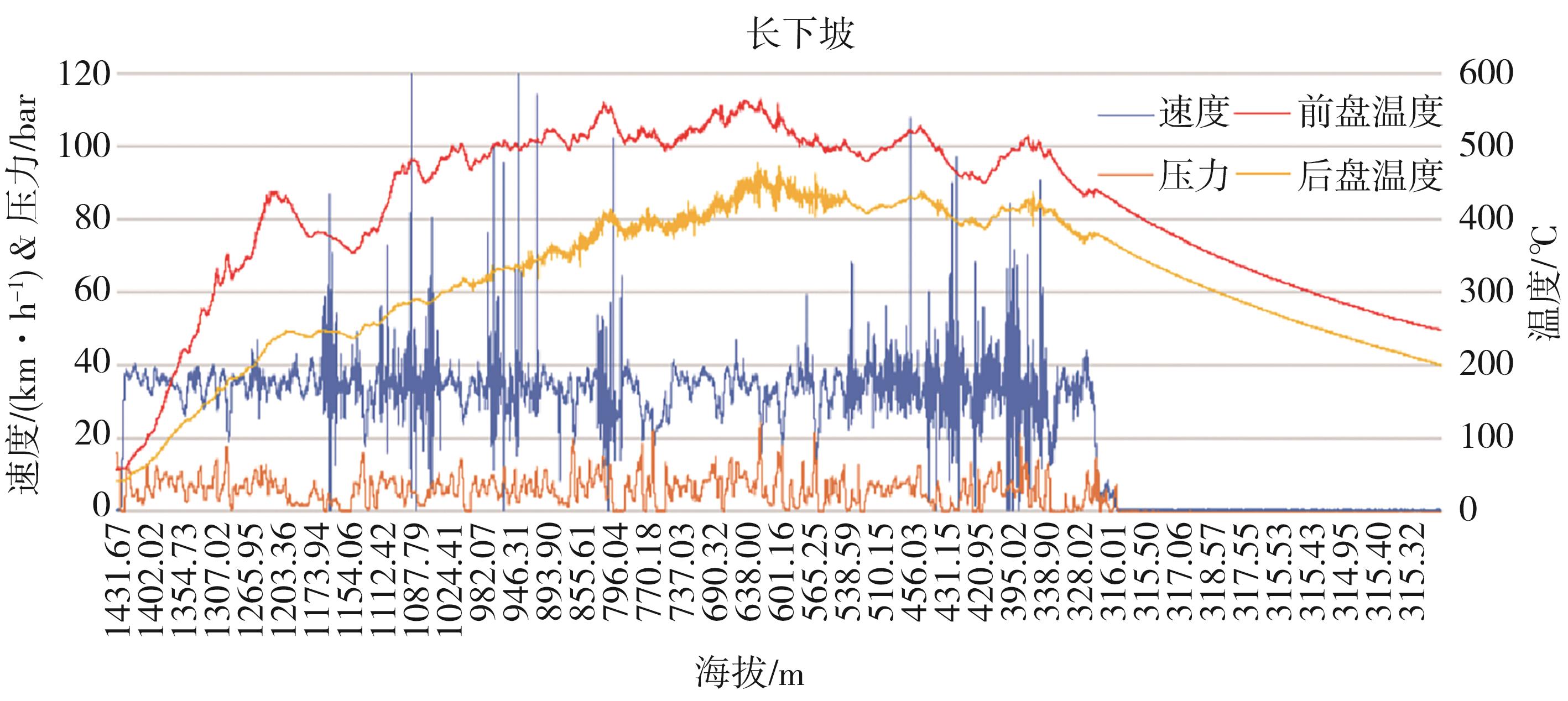
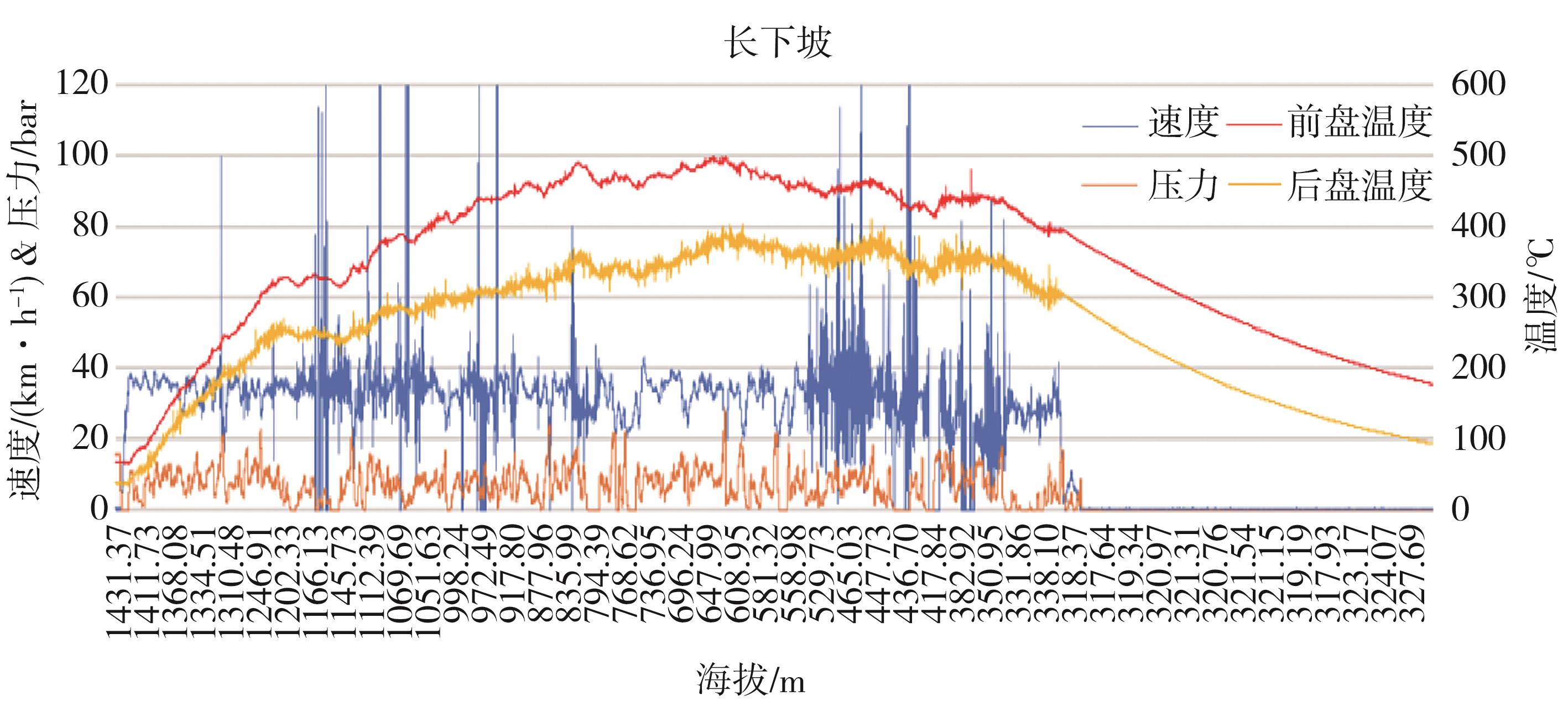
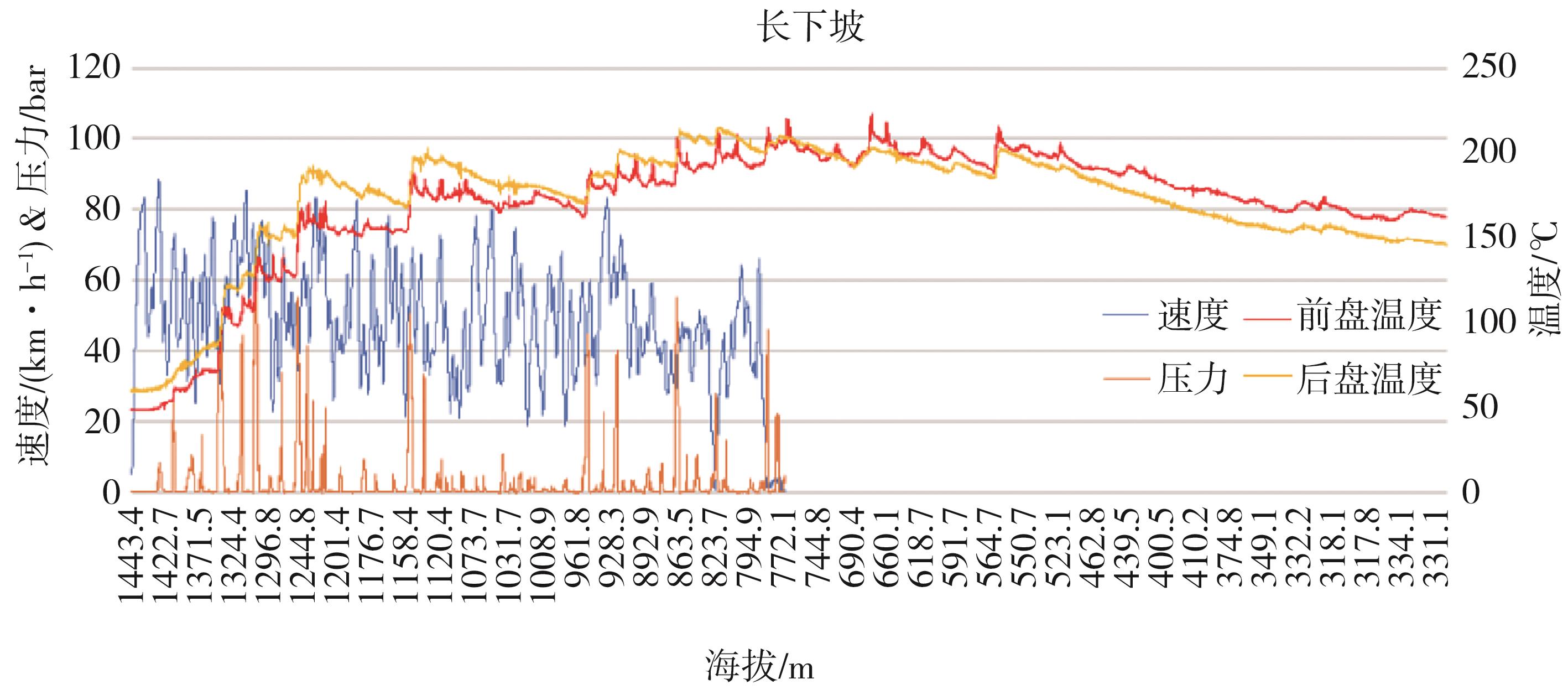
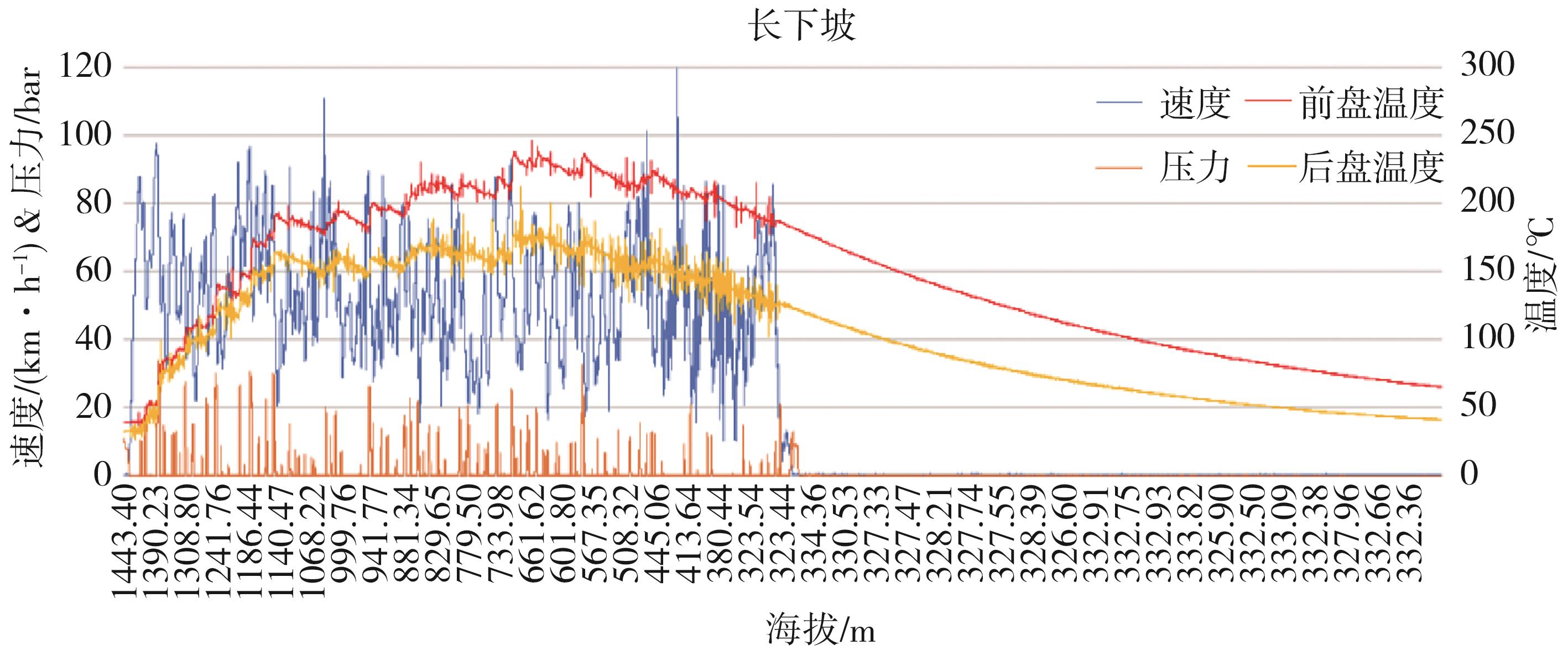
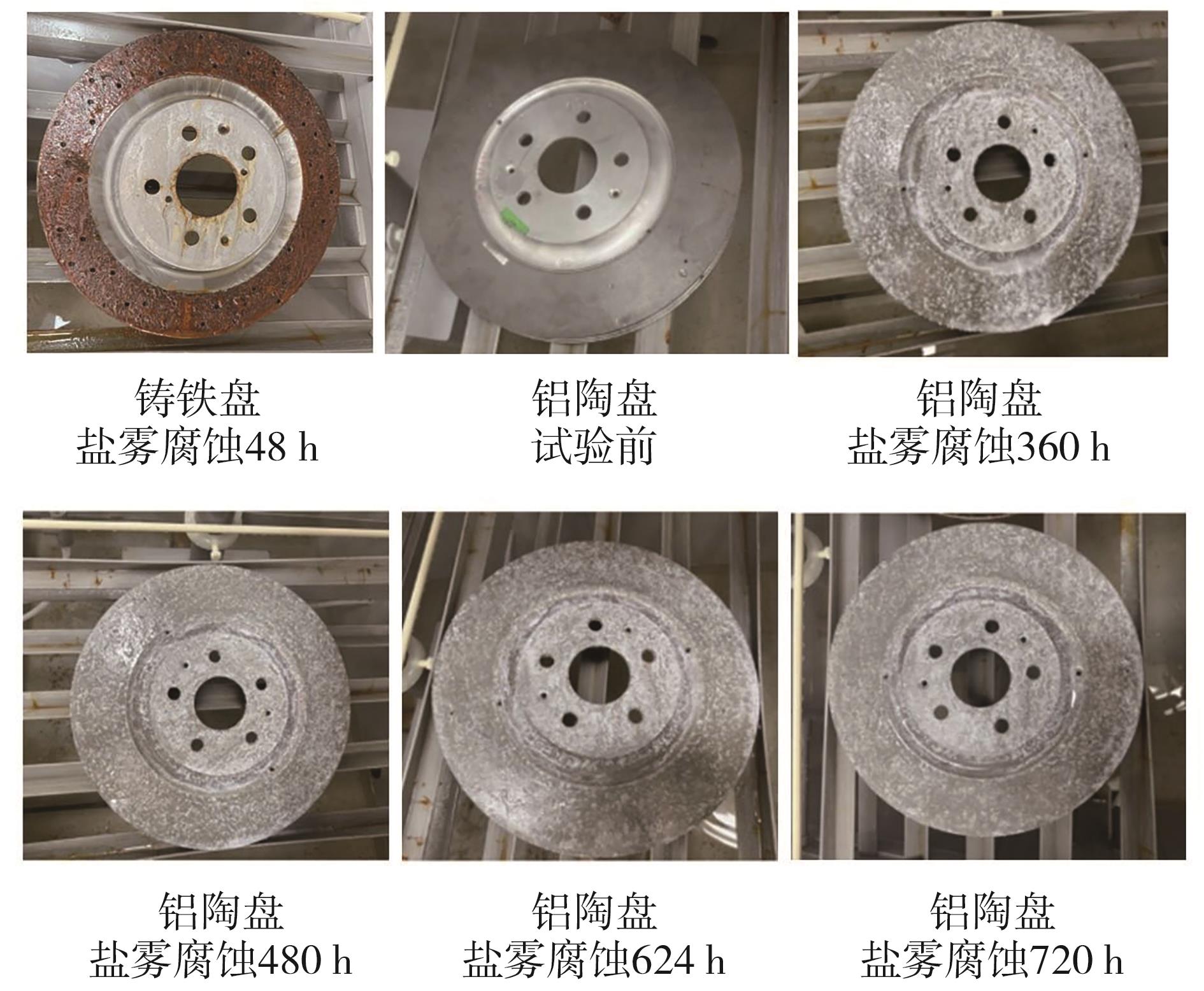
In the context of carbon peaking and carbon neutrality, the demand for lightweight in new energy vehicles is increasingly urgent. As a critical component, the lightweight design of brake discs not only reduces unsprung weight but also enhances the vehicle energy efficiency and handling. Compared with the traditional cast iron brake discs, aluminum ceramic brake discs have obvious advantages in terms of comprehensive performance, and also show a certain degree of competitiveness in terms of production efficiency and cost-effectiveness, gradually becoming an alternative choice for the industry to focus on. However, there is limited research on bench tests and road tests of aluminum-ceramic brake discs under real working conditions and the performance evaluation of them in new energy vehicles is not comprehensive. Therefore, in this study the performance of aluminum-ceramic brake discs is comprehensively verified and analyzed for the first time through bench tests, road trials, and corrosion resistance tests. The results show that aluminum-ceramic brake discs outperform cast iron discs in terms of friction coefficient stability, with a nominal coefficient maintained between 0.3 and 0.35. Additionally, the aluminum-ceramic brake discs can withstand temperature up to 500 ℃, significantly higher than previously reported. During a long downhill test in the Heishan Valley, with energy recovery turned off, the maximum temperature of the aluminum-ceramic front and rear brake discs is 83 and 108 ℃ lower, respectively, than those of cast iron brake discs. The road trials and corrosion resistance tests show that aluminum-ceramic brake discs perform excellently in terms of noise, vibration, wear resistance, and corrosion resistance, with an estimated service life of up to 1 million kilometers, demonstrating good adaptability, reliability, and durability in extreme environment and road conditions. This research not only provides a more reliable braking system solution for new energy vehicles but also contributes to energy-saving and emission reduction, promoting sustainable development of the new energy vehicles.

Key words: aluminum-ceramic brake disc, bench test, road trial, corrosion resistance