汽车工程 ›› 2025, Vol. 47 ›› Issue (10): 1885-1894.doi: 10.19562/j.chinasae.qcgc.2025.10.004

• • 上一篇    

基于BiLSTM-Transformer的人车多维参数融合的晕动症评估模型研究

蔺昱鹏1,马利2,兰婷婷1,付锐1,3()   

  1. 1.长安大学汽车学院,西安 710064
    2.山东理工大学交通与车辆工程学院,淄博 255000
    3.汽车运输安全保障技术交通行业重点实验室,西安 710064
  • 收稿日期:2025-02-25 修回日期:2025-04-15 出版日期:2025-10-25 发布日期:2025-10-20
  • 通讯作者: 付锐 E-mail:furui@chd.edu.cn
  • 基金资助:
    国家自然科学基金(52272412);长安大学中央高校基本科研业务费专项资金(300102224302);长安大学中央高校基本科研业务费专项资金(300102224501)

Research on Motion Sickness Assessment Model Based on Multi-dimensional Parameter Fusion of Human and Vehicle by BiLSTM-Transformer

Yupeng Lin1,Li Ma2,Tingting Lan1,Rui Fu1,3()   

  1. 1.School of Automotive,Chang'an University,Xi'an 710064
    2.School of Transportation and Vehicle Engineering,Shandong University of Technology,Zibo 255000
    3.Key Laboratory of Transportation Industry for Automotive Transportation Safety and Security Technology,Xi'an 710064
  • Received:2025-02-25 Revised:2025-04-15 Online:2025-10-25 Published:2025-10-20
  • Contact: Rui Fu E-mail:furui@chd.edu.cn

摘要:

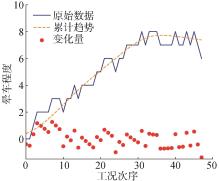
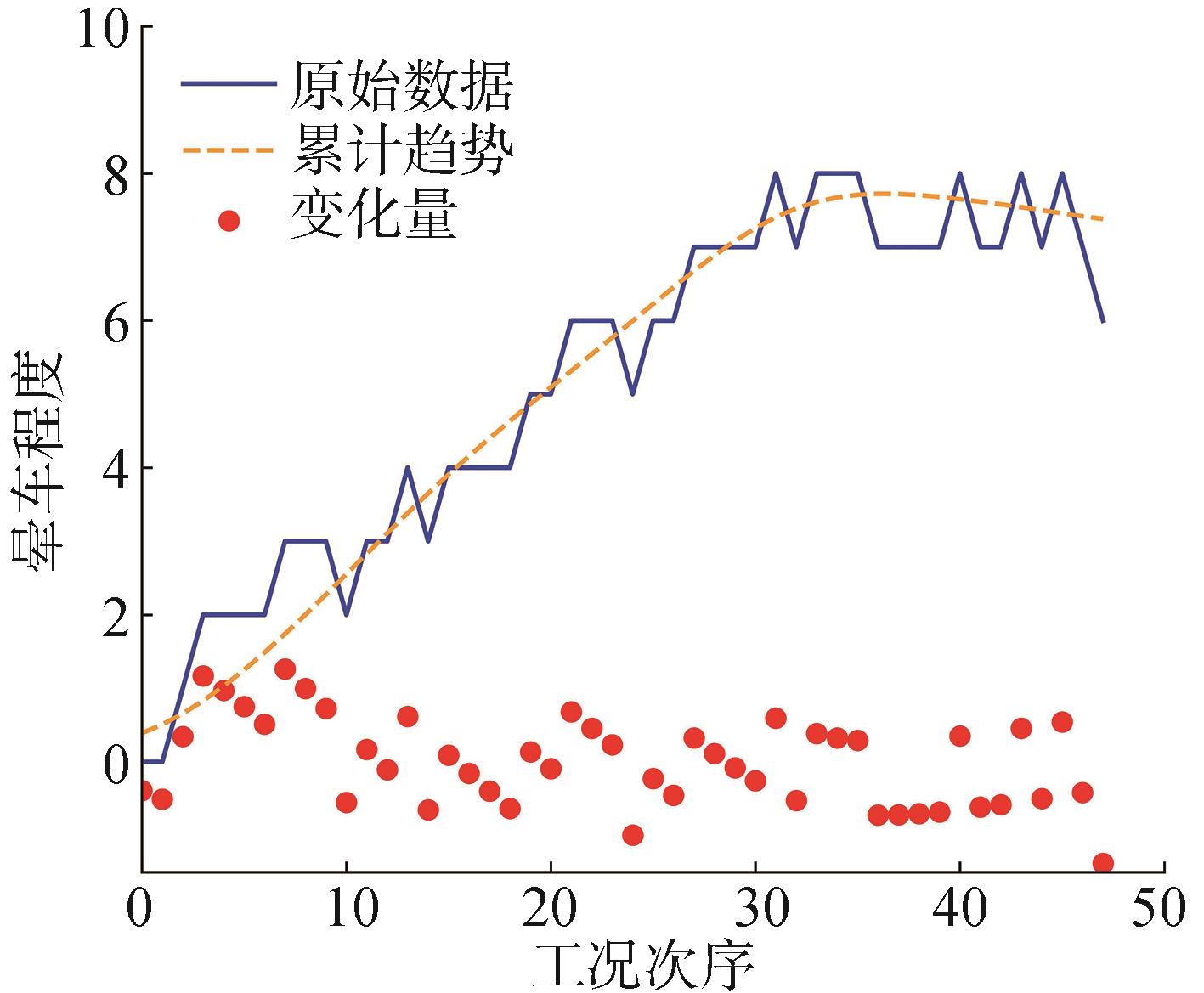
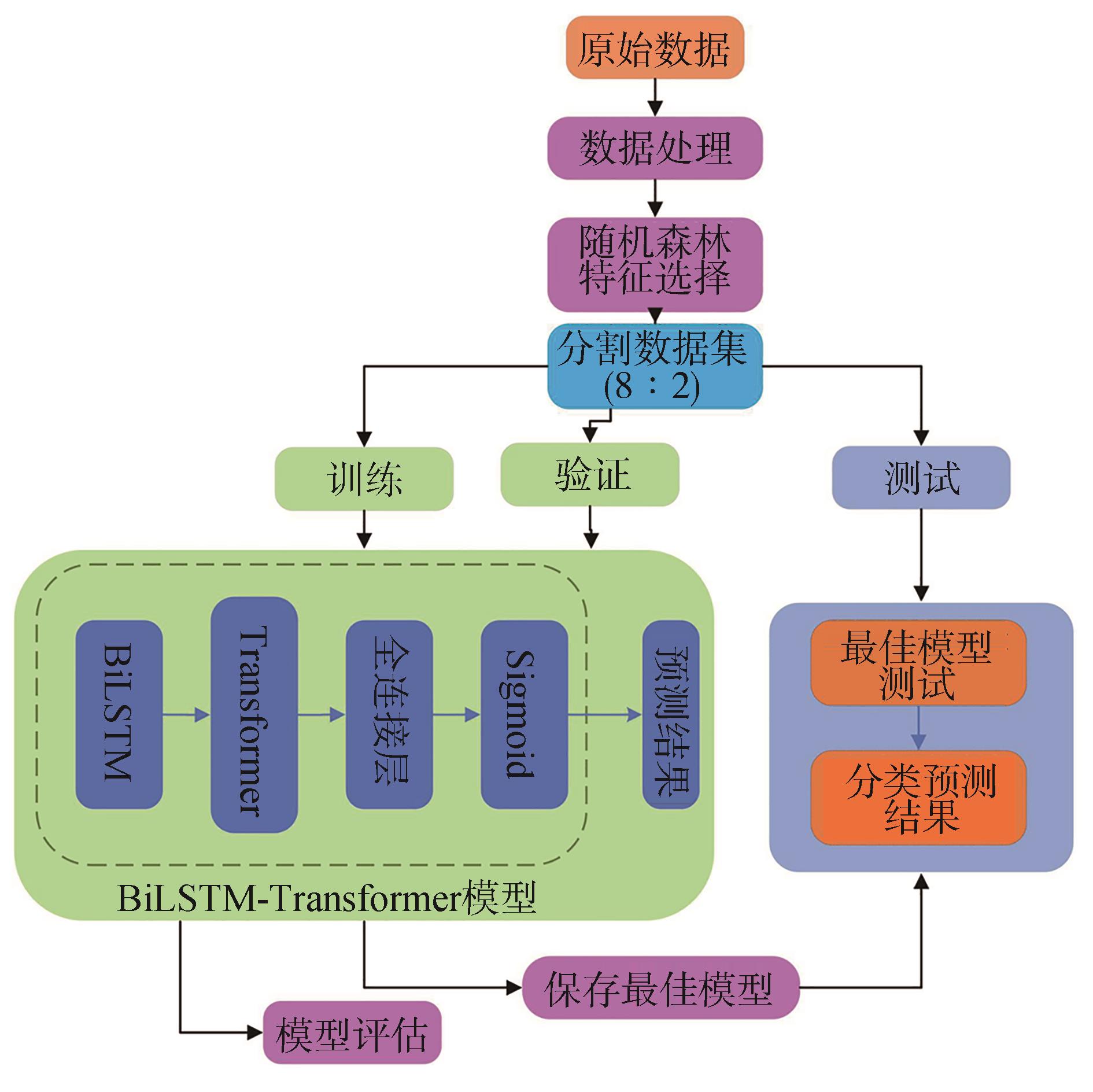
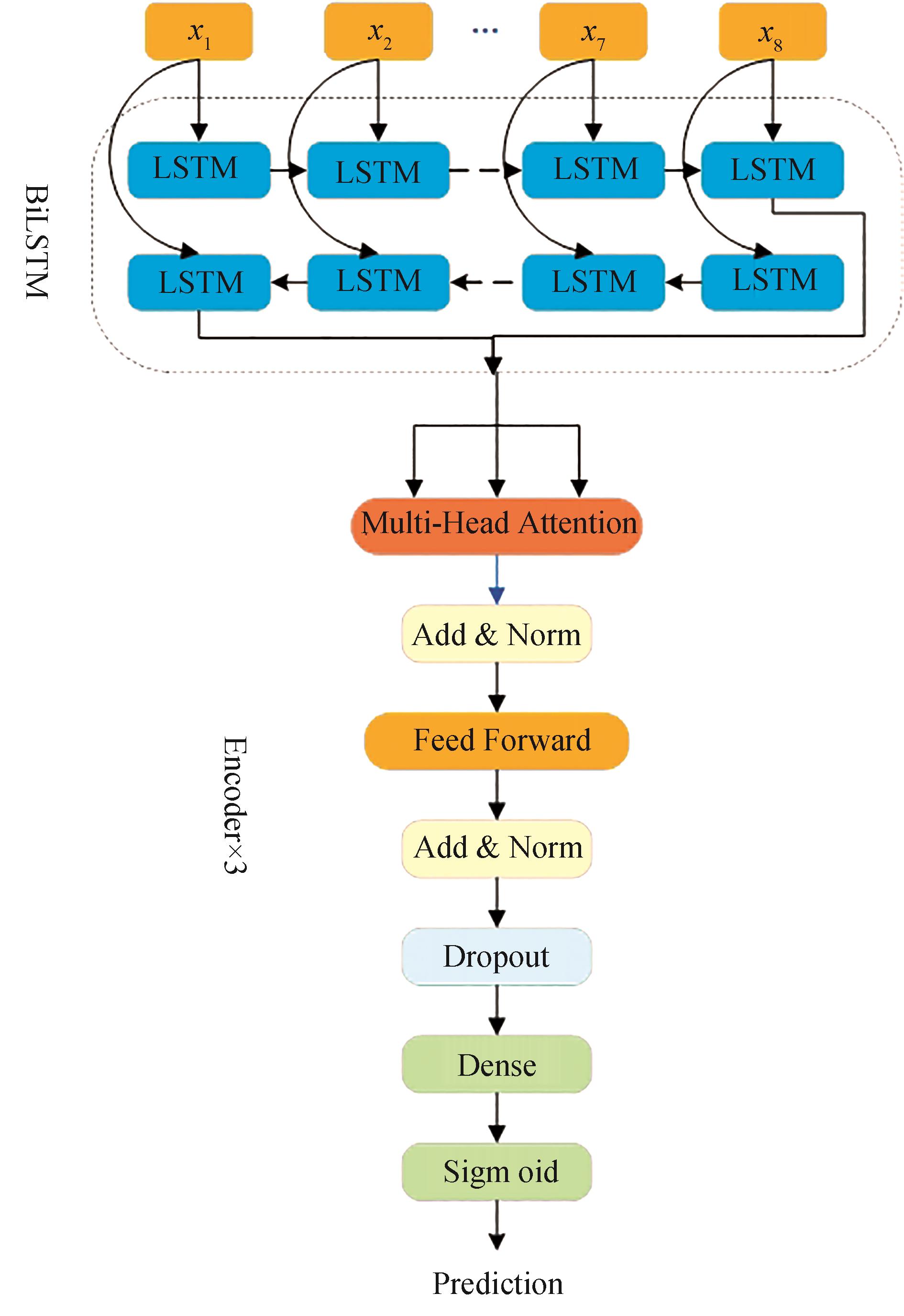
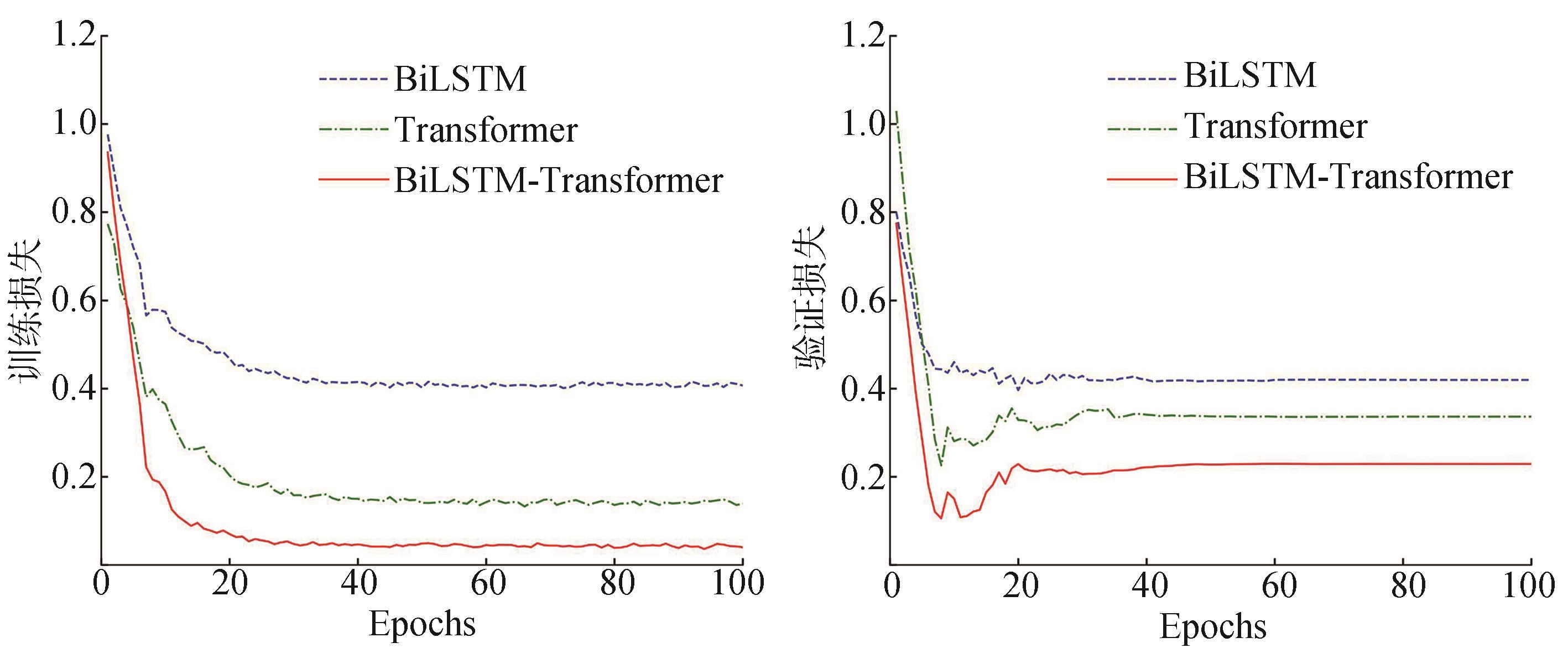
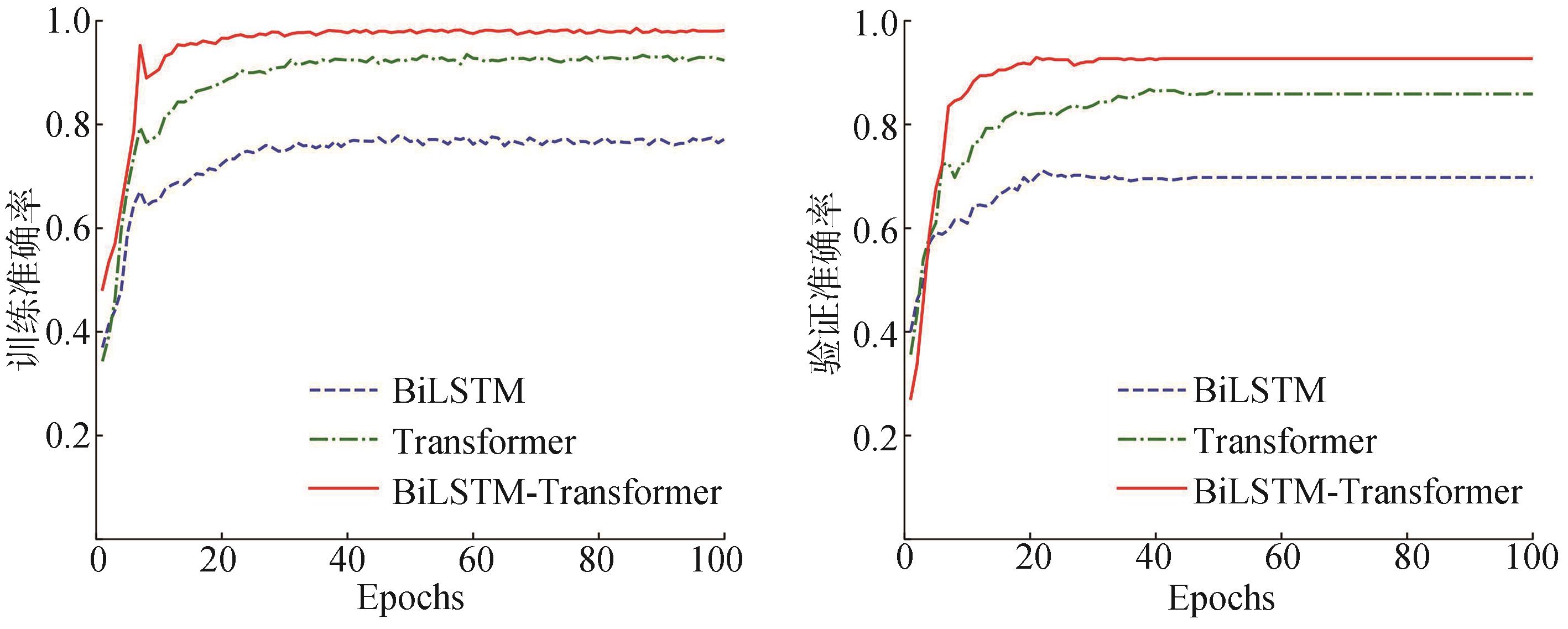
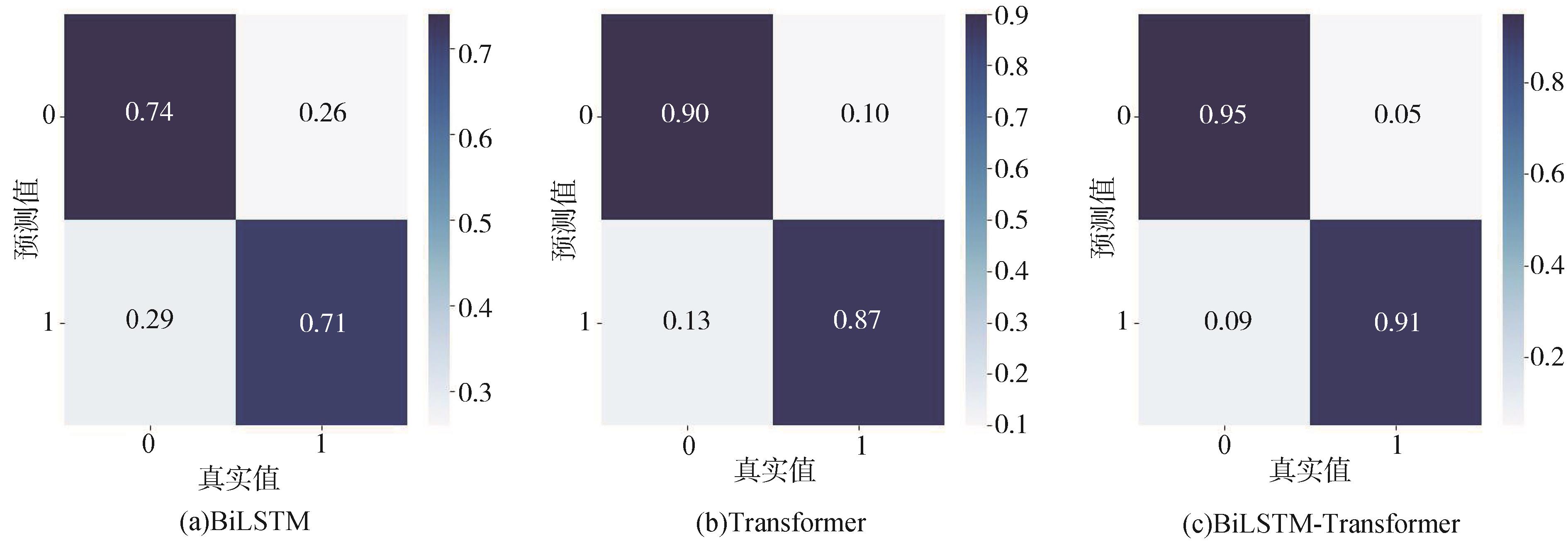
为克服现有方法在评估单一车辆运动工况引起的晕动症时准确率不足的局限性,本文旨在构建一种多维度晕动症评估模型。首先,设计了包含加速、减速等4种典型工况的实车实验,同步采集车辆以及乘客姿态的三轴加速度、角速度等数据,构建多源数据集。其次,采用经验模态分解(EMD)去趋势化方法处理晕动主观评价量级,消除暴露时间累积趋势,揭示单一运动工况的晕动症影响机制。最后,构建BiLSTM-Transformer混合模型,利用BiLSTM捕获长序列时序动态特征,利用Transformer自注意力机制提取全局依赖关系,并进行多维数据集组合对比和消融实验。人车融合参数结合BiLSTM-Transformer模型在测试集上取得92.6%的准确率,测试损失低至0.23。结果表明,该模型能够有效评估晕动症的发生,相较于单一BiLSTM和Transformer模型,准确率分别提升4.3%和9.9%,证明了人车运动参数融合及BiLSTM-Transformer模型在晕动症评估方面的优势。

关键词: 智能交通, 晕动症评估, 深度学习, 自动驾驶, 舒适性

Abstract:

To overcome the limitation of lack of accuracy of the existing methods in assessing motion sickness caused by a single vehicle motion condition, this paper aims to construct a multidimensional motion sickness assessment model. Firstly, a real-vehicle experiment containing four typical working conditions is designed in this paper, such as acceleration and deceleration, and synchronously three-axis acceleration and angular velocity data of the vehicle as well as the passengers' postures is collected to construct a multi-source dataset. Secondly, the empirical mode decomposition (EMD) detrending method is used to deal with the subjective evaluation scale of motion sickness, so as to eliminate the cumulative trend of exposure time, and reveal the influence mechanism of motion sickness in a single motion condition. Finally, a BiLSTM-Transformer hybrid model is constructed to capture the long sequence time-series dynamic features using BiLSTM, extract the global dependencies using the Transformer self-attention mechanism, and perform the multi-dimensional dataset combination comparison and ablation experiments. The human-vehicle fusion parameters combined with the BiLSTM-Transformer model achieve 92.6% accuracy on the test set, with a test loss as low as 0.23. The results show that the model can effectively assess the occurrence of motion sickness, with an improvement in accuracy of 4.3% and 9.9%, respectively, compared to the single BiLSTM and Transformer models, demonstrating the advantages of the human-vehicle motion parameter fusion and BiLSTM-Transformer model in the assessment of motion sickness.

Key words: intelligent transportation, motion sickness assessment, deep learning, autonomous driving, comfort