汽车工程 ›› 2025, Vol. 47 ›› Issue (10): 2037-2048.doi: 10.19562/j.chinasae.qcgc.2025.10.019

• • 上一篇    

新型车用R290间接式热管理系统及其性能研究

华菁阳1,2,俞彬彬2,余力1,2,张云龙2,许梦笛2,施骏业2,陈江平1,2()   

  1. 1.上海交通大学中英国际低碳学院,上海 201306
    2.上海交通大学机械与动力工程学院,上海 200240
  • 收稿日期:2025-03-14 修回日期:2025-04-18 出版日期:2025-10-25 发布日期:2025-10-20
  • 通讯作者: 陈江平 E-mail:jpchen@sjtu.edu. cn

Study on the Performance of an Innovative Indirect Thermal Management System for Automotive Application Using R290 Refrigerant

Jingyang Hua1,2,Binbin Yu2,Li Yu1,2,Yunlong Zhang2,Mengdi Xu2,Junye Shi2,Jiangping Chen1,2()   

  1. 1.China -UK Low Carbon College,Shanghai Jiao Tong University,Shanghai 201306
    2.School of Mechanical Engineering,Shanghai Jiao Tong University,Shanghai 200240
  • Received:2025-03-14 Revised:2025-04-18 Online:2025-10-25 Published:2025-10-20
  • Contact: Jiangping Chen E-mail:jpchen@sjtu.edu. cn

摘要:

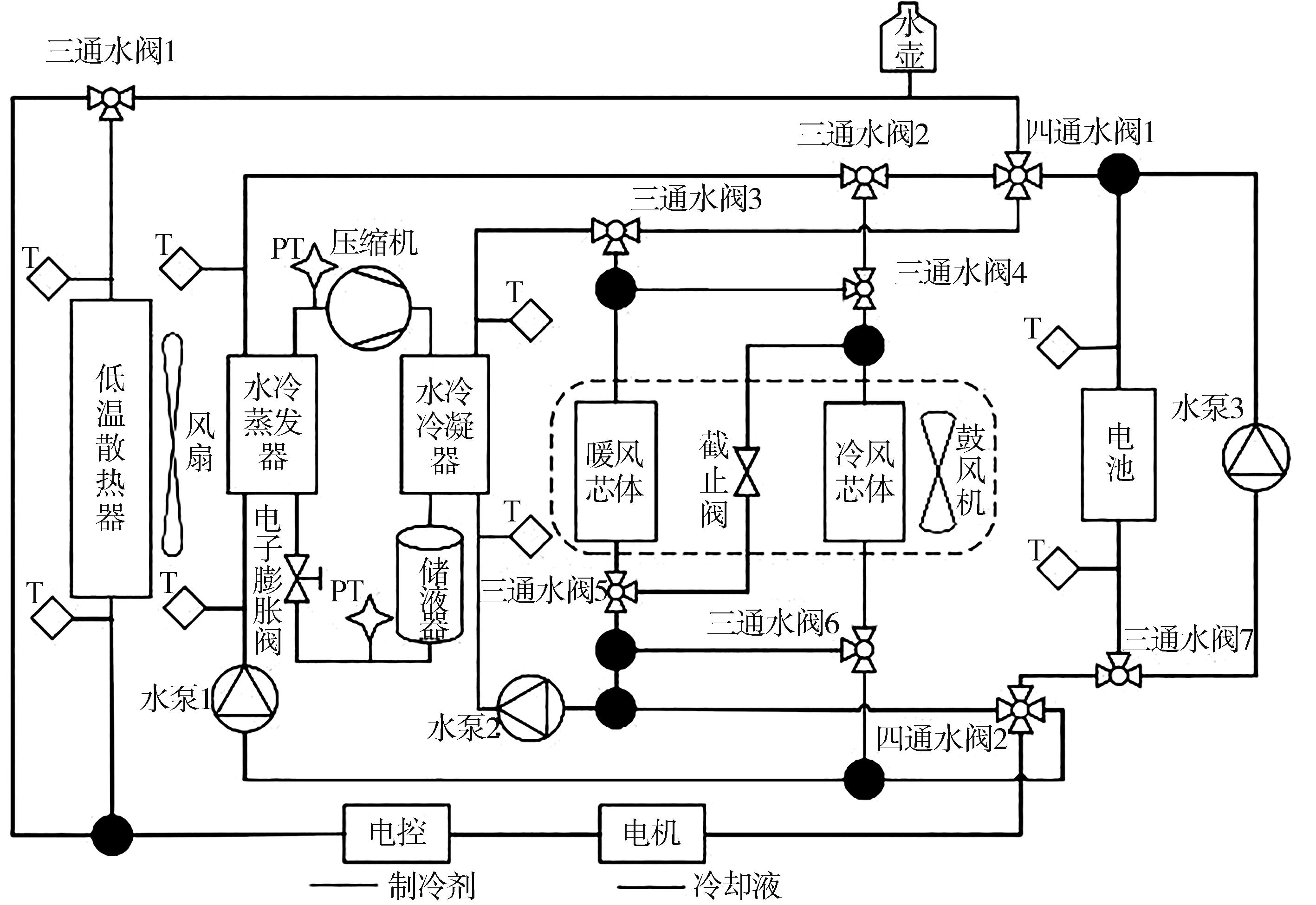
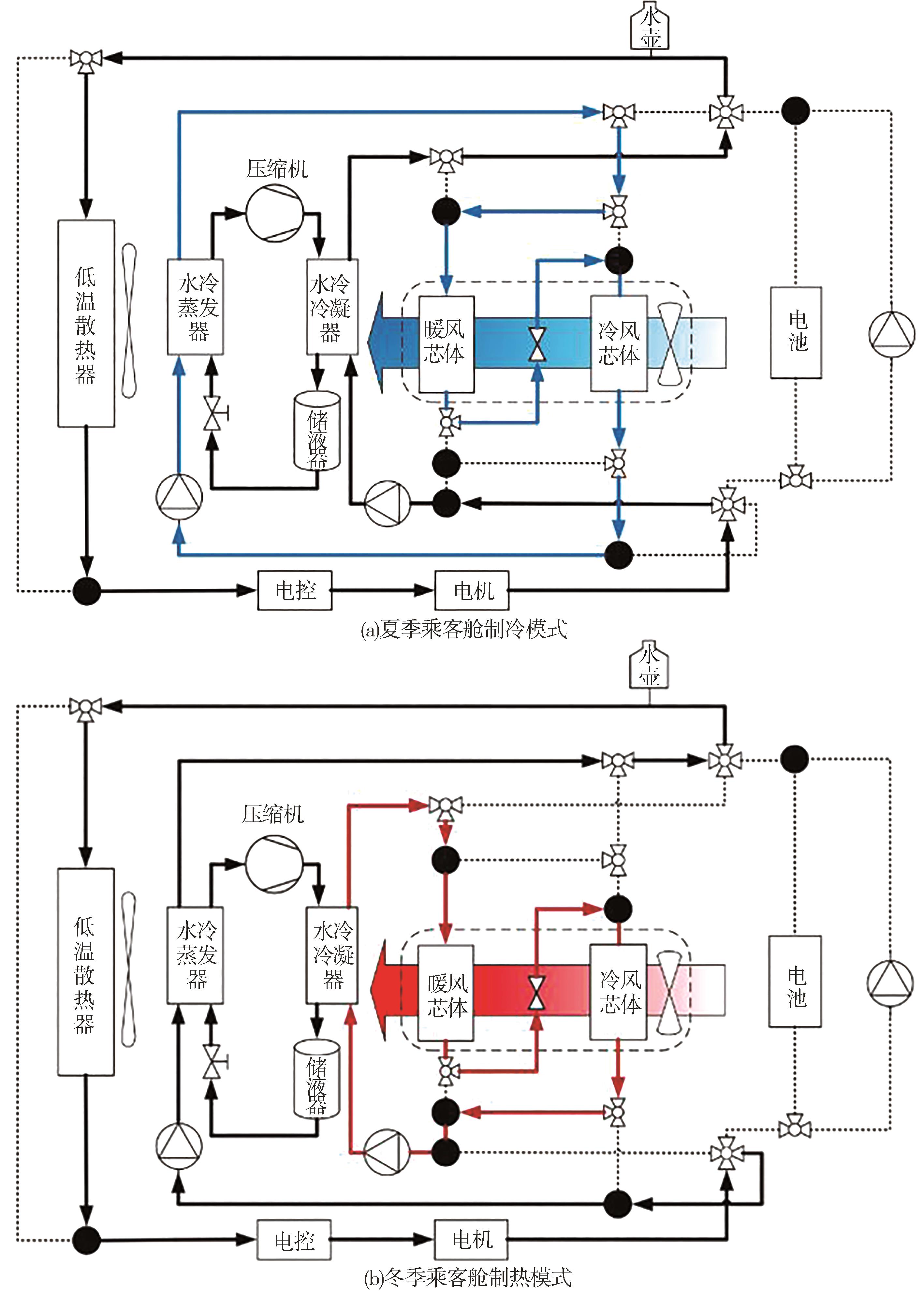
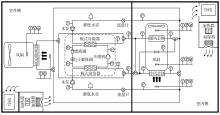
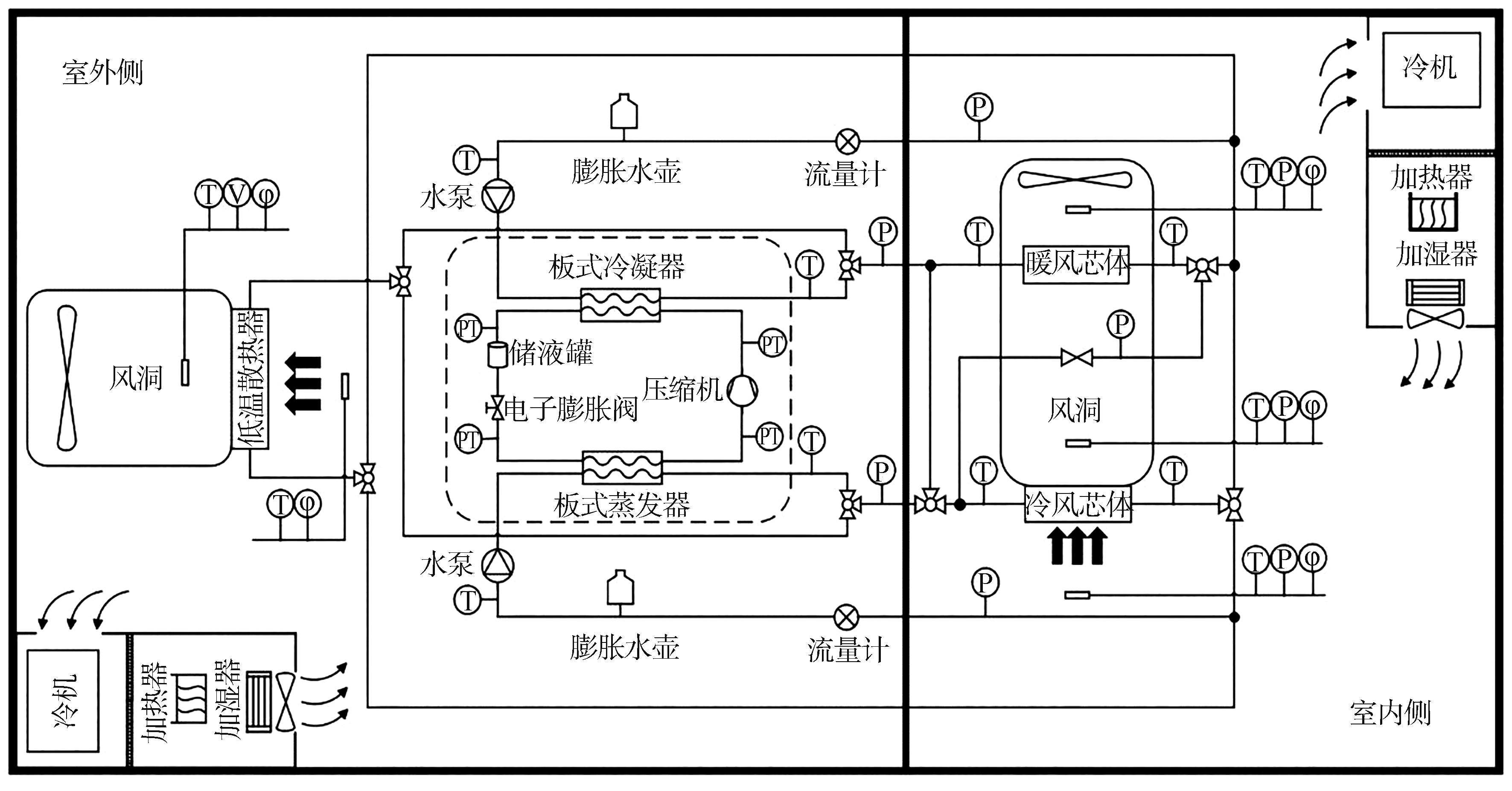
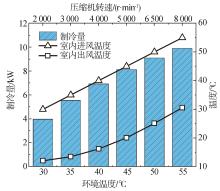
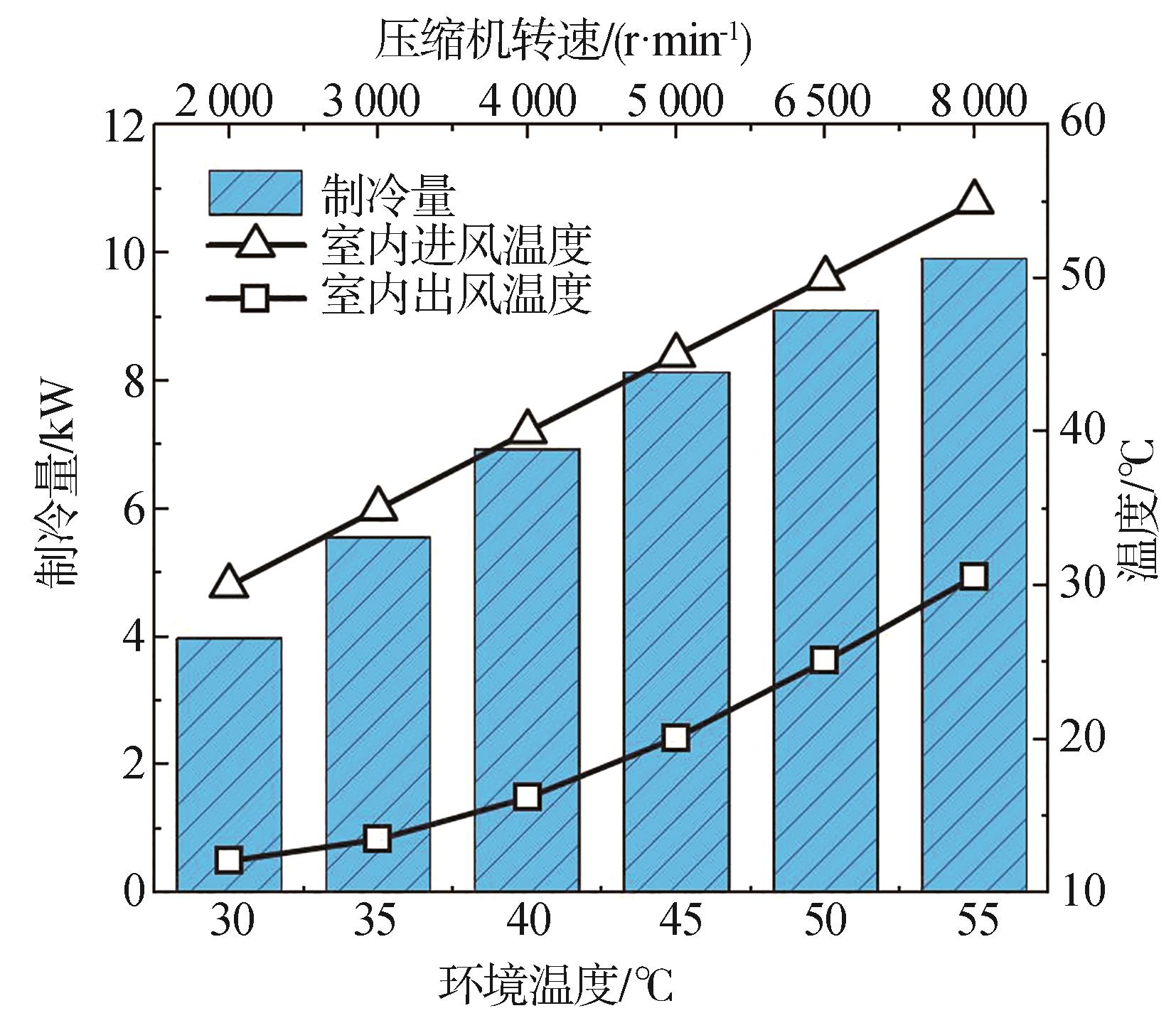
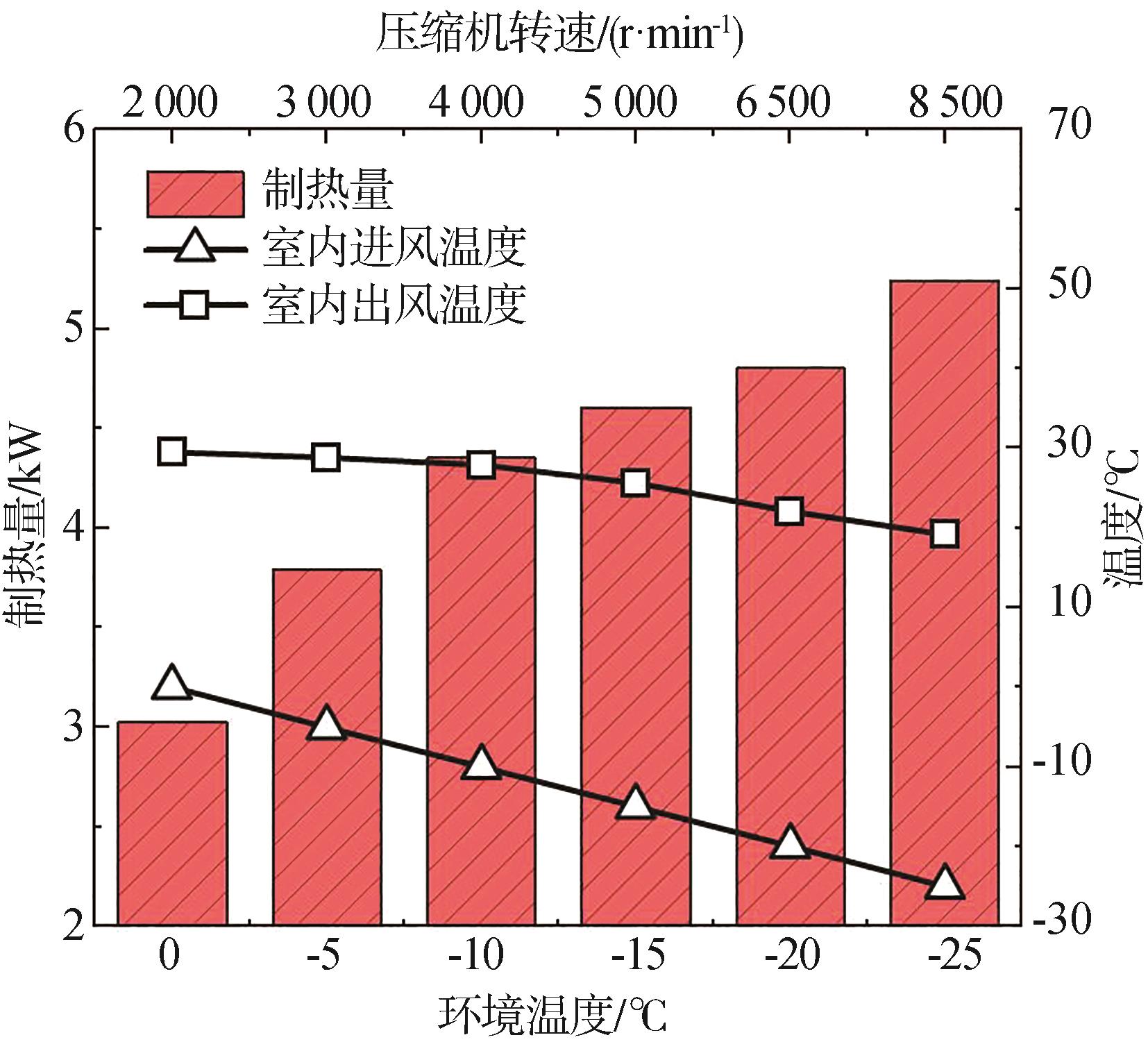
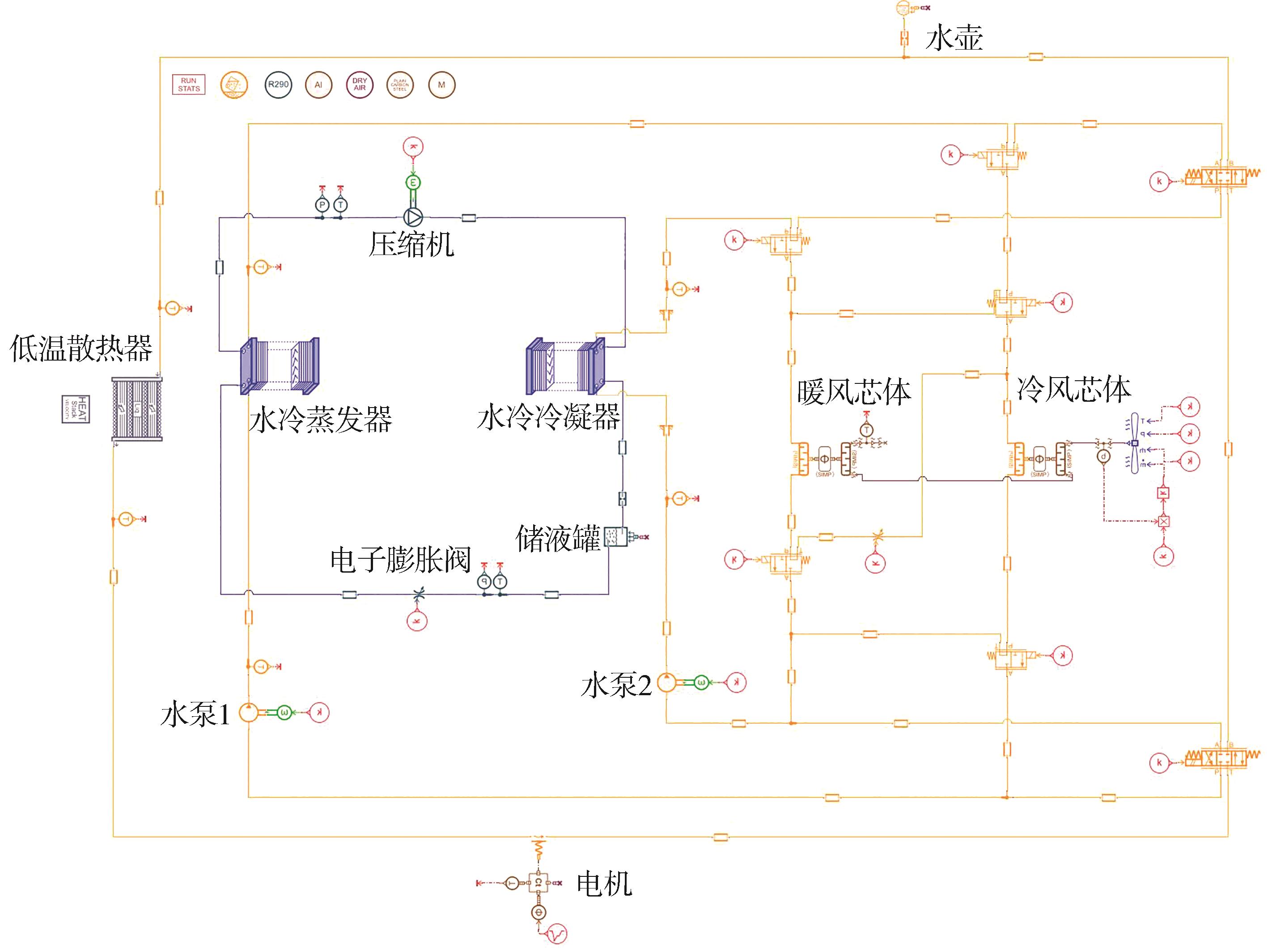
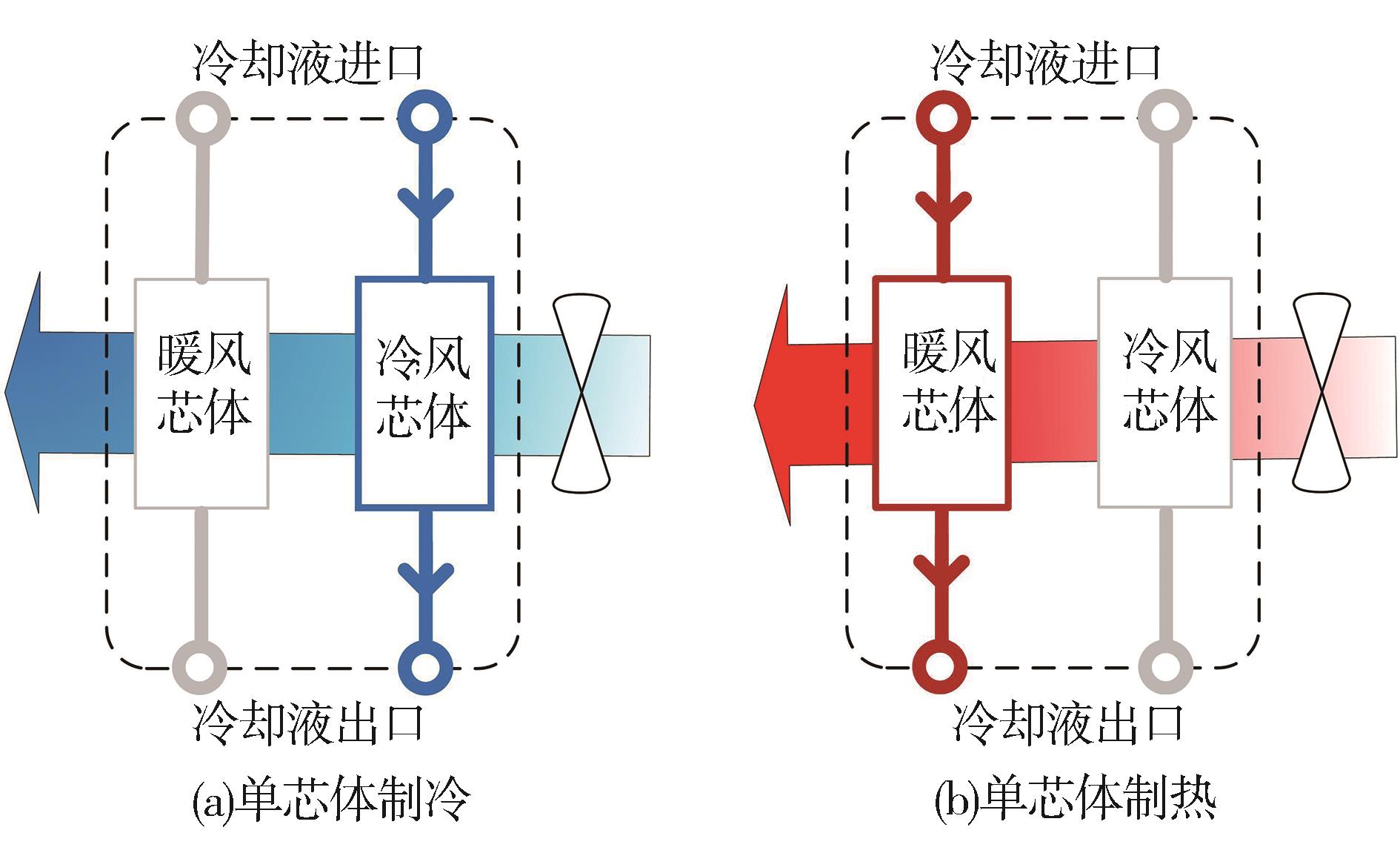
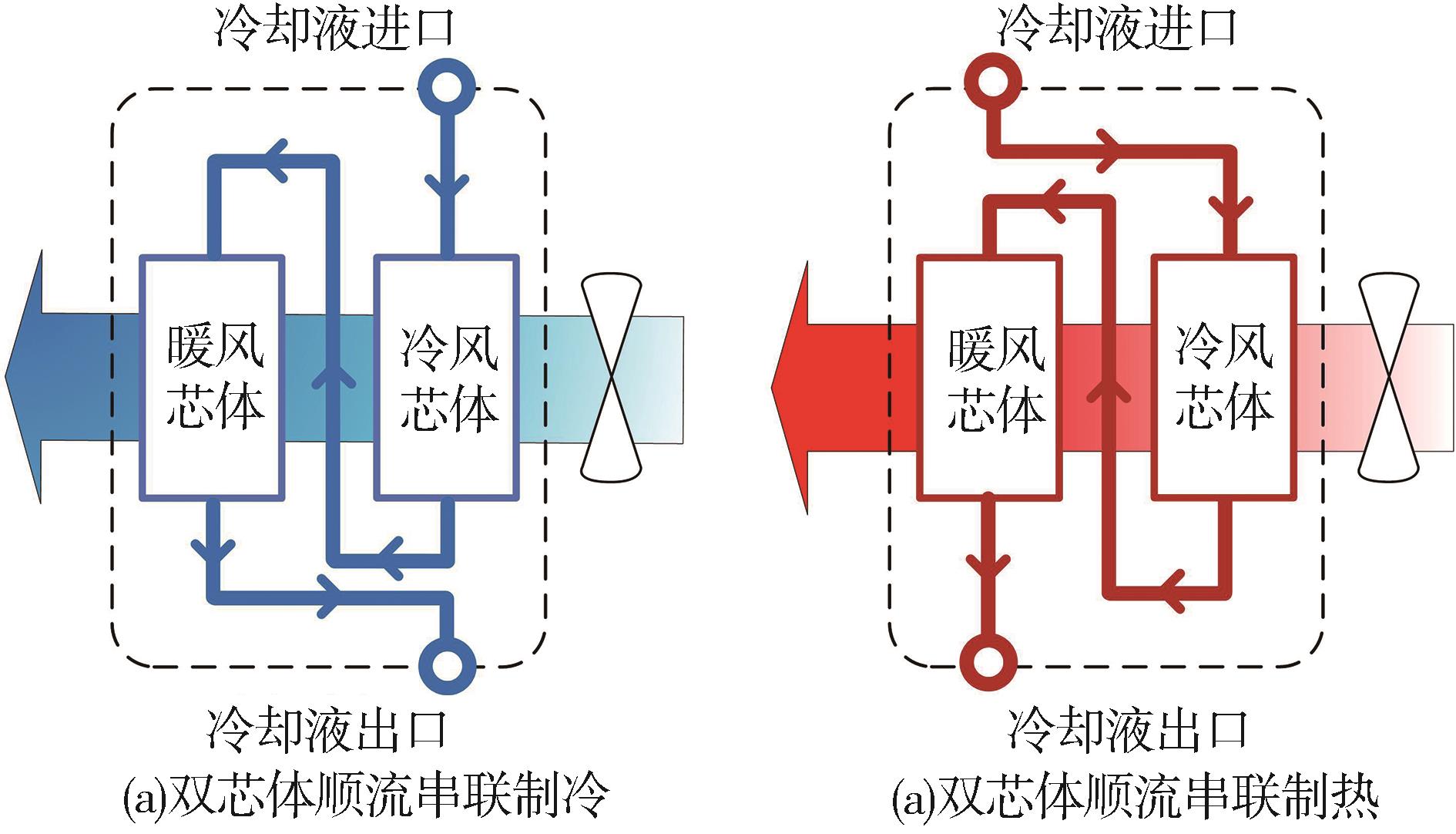
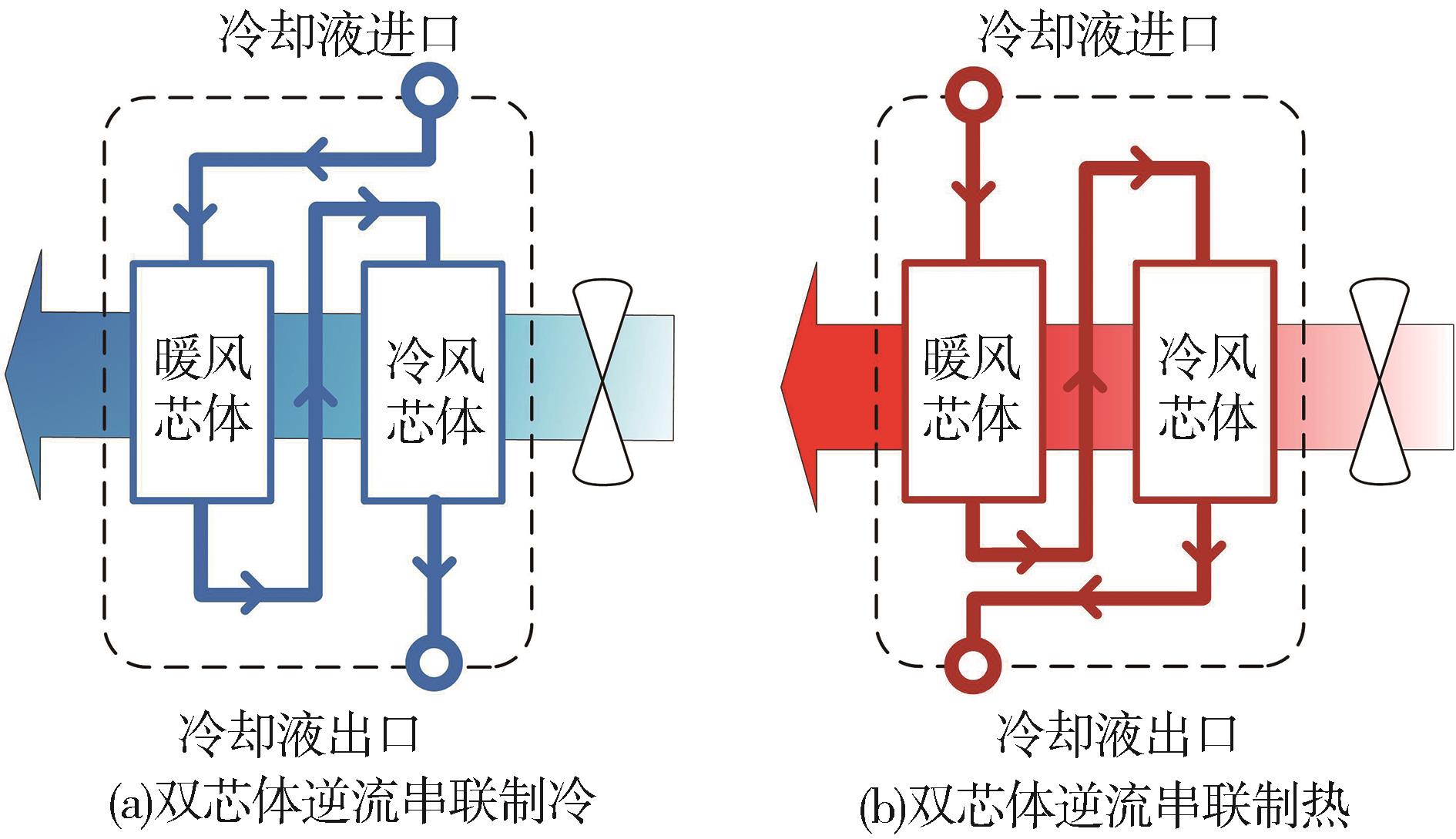
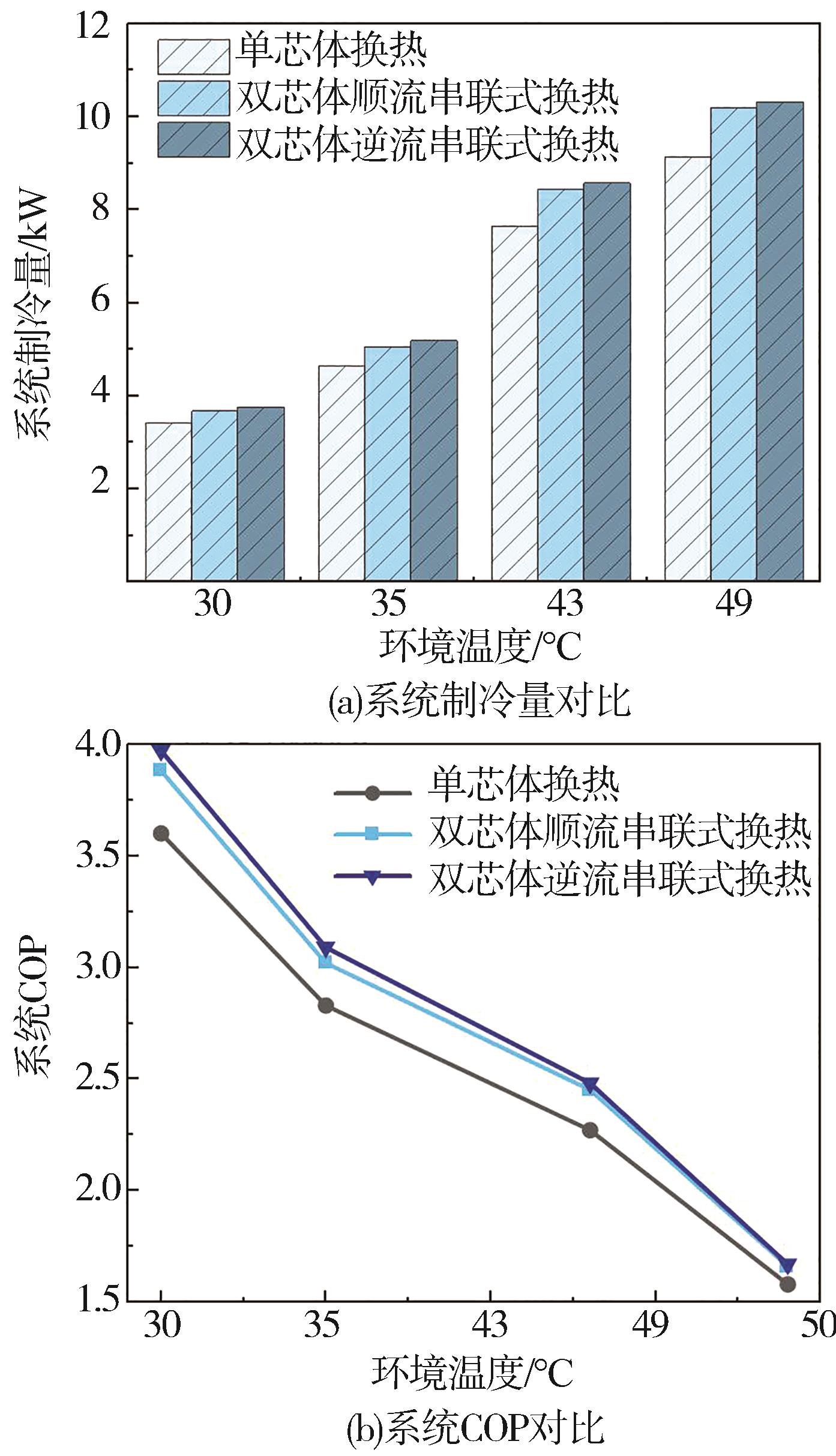
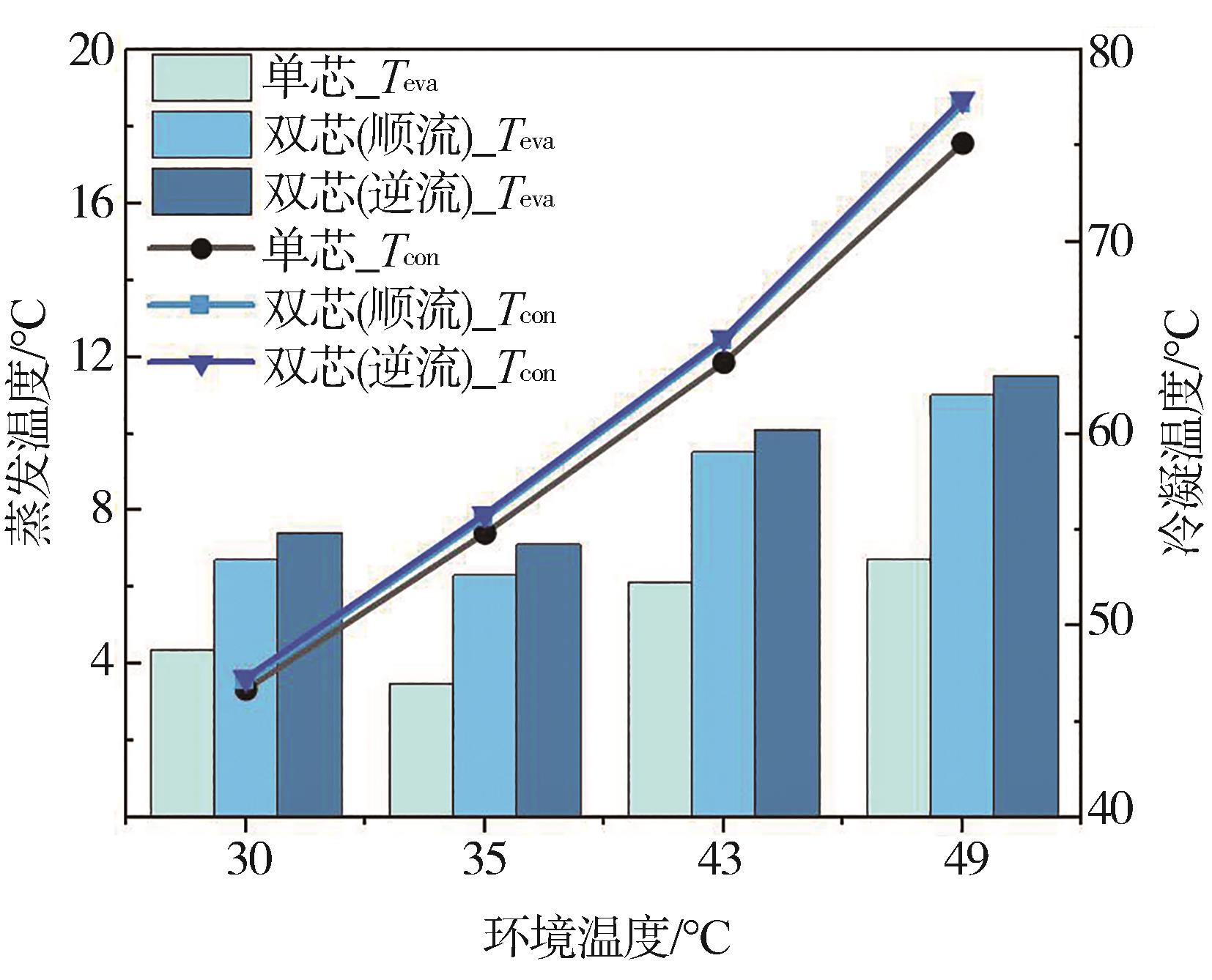
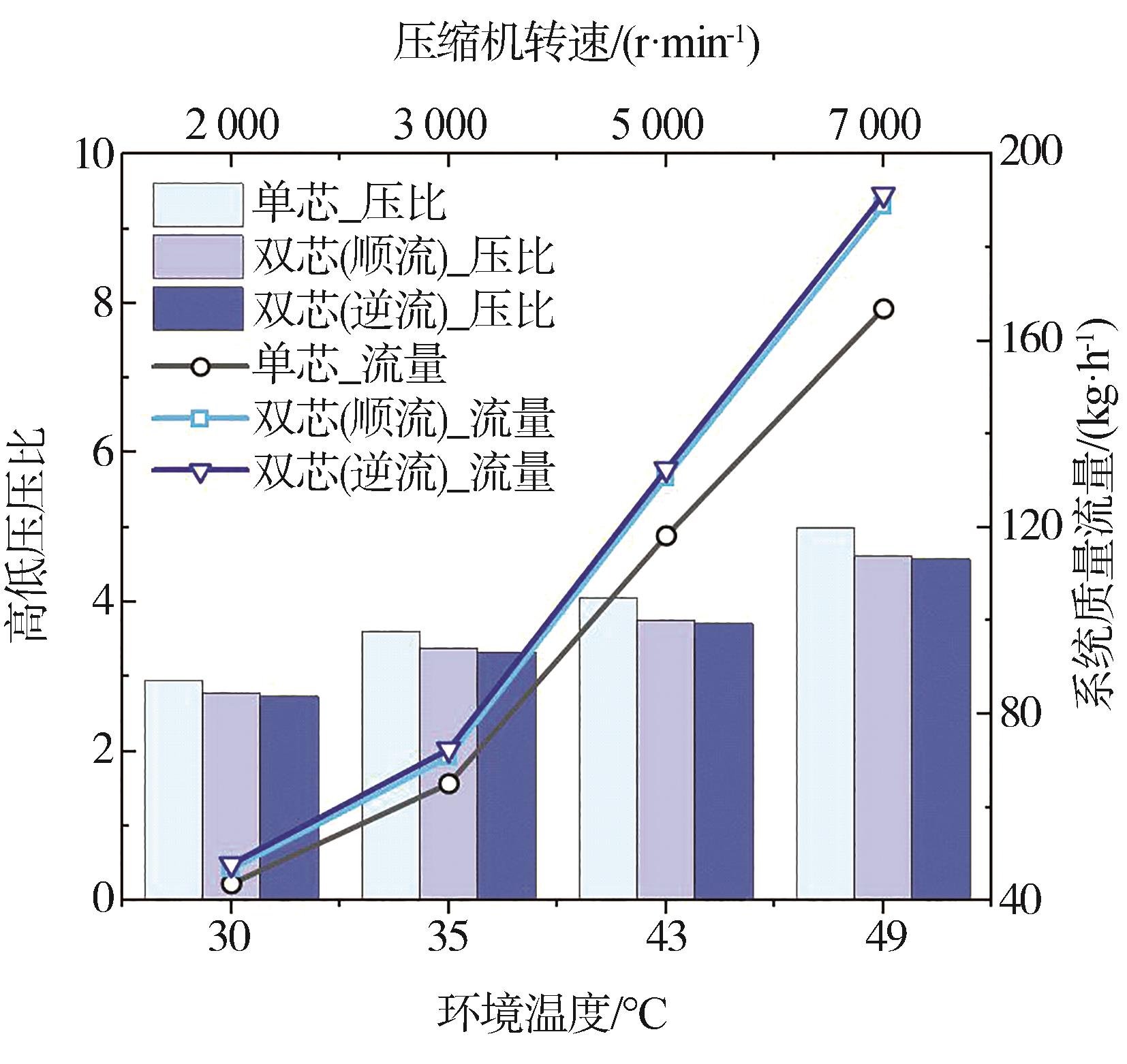
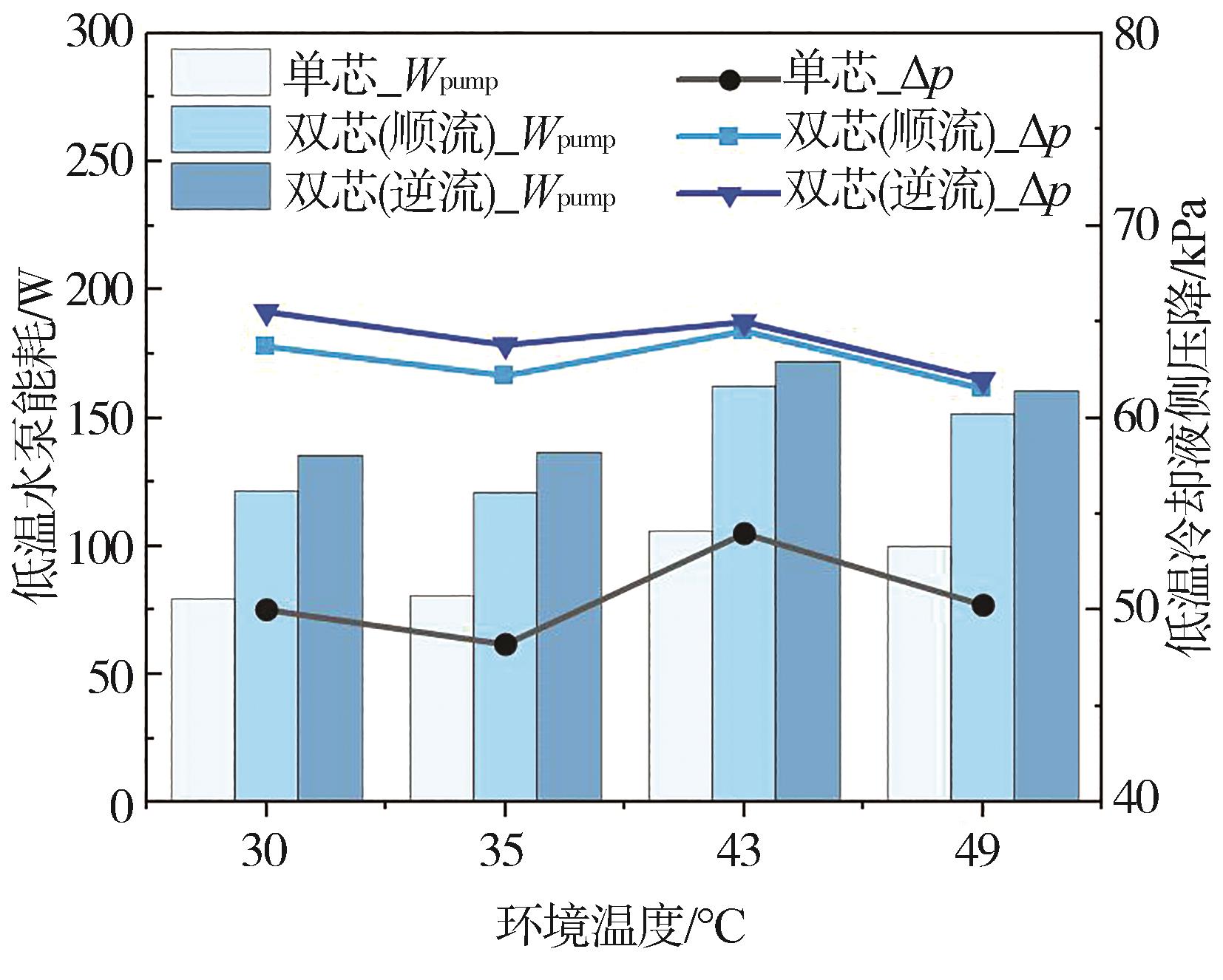
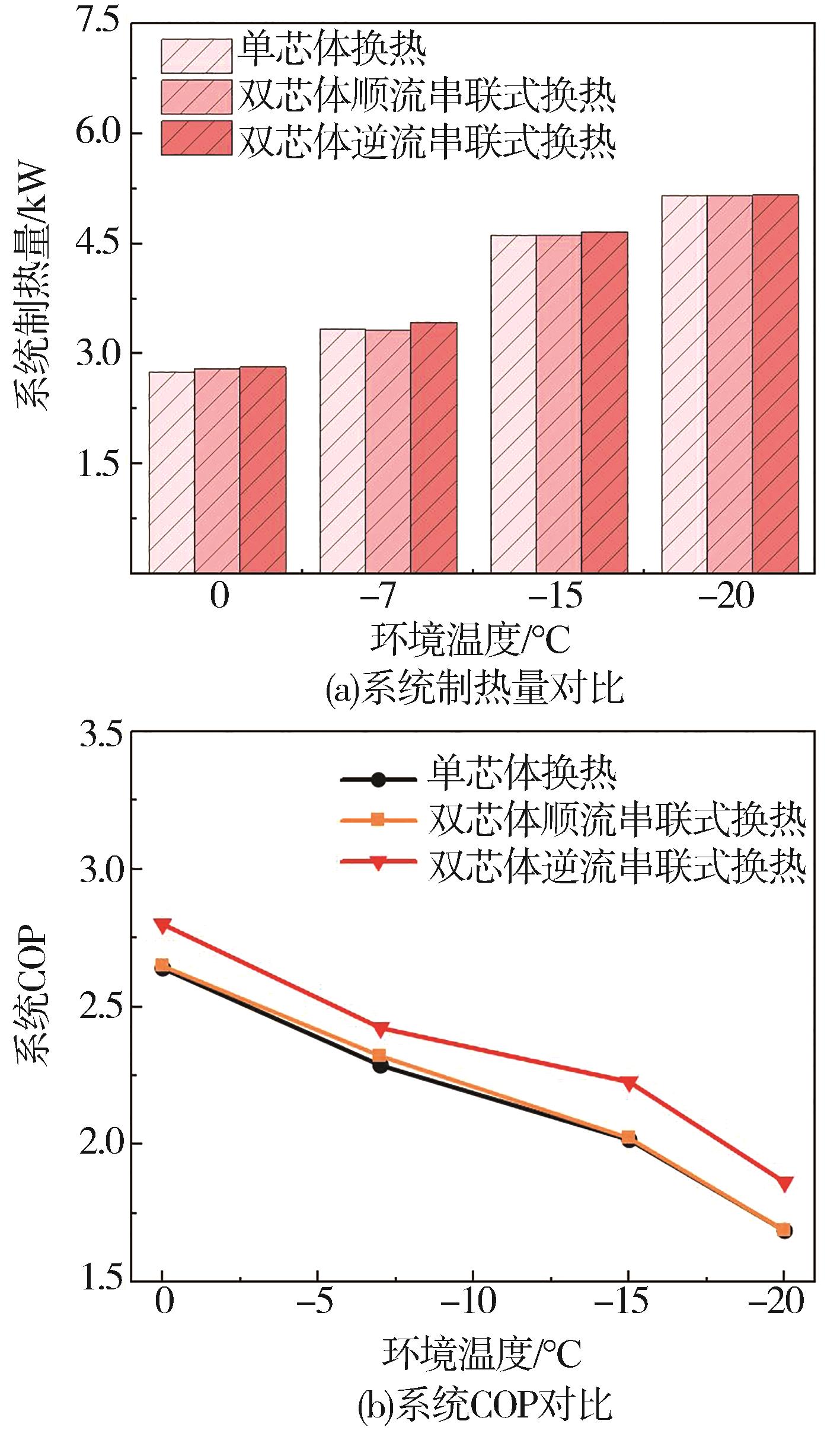
随着环保制冷剂R290在车用热管理系统中的推广应用,提升其系统性能与能效成为研究重点。本文创新性地提出了一种采用双芯体逆流串联换热架构的车用R290间接式热管理双二次回路系统,通过实验测试了系统的边界性能,建立了该电动汽车热管理系统仿真模型,并对比分析了该系统与单芯体换热方案、双芯体顺流串联换热方案的性能差异。研究表明,在夏季49 ℃极端制冷工况下,逆流式布置方案较单芯体方案制冷量提升11.62%,COP值可达到1.67;在冬季-20 ℃极端制热工况下,系统COP值相较于顺流串联式换热方案提升超过9.5%。本研究为R290制冷剂在车用热管理系统中的高效应用提供了重要技术支撑。

关键词: 电动汽车, R290, 热管理系统, 性能分析

Abstract:

With the increasing application of the environmentally friendly refrigerant R290 in automotive thermal management systems, enhancing system performance and energy efficiency has become a key research focus. In this study an innovative R290-based indirect thermal management dual secondary loop system using the dual-core counterflow series heat exchange architecture is proposed. The system’s boundary performance is tested through experiments and a simulation model of the electric vehicle thermal management system is established. The performance differences between the system and the single-core and dual core parallel flow series heat exchange solutions are compared and analyzed. The results show that, under extreme summer cooling conditions (49 °C), the counterflow system increases cooling capacity by 11.62 % and achieves a COP of 1.67 compared to the single-core solution. In extreme winter heating conditions (-20 ℃), the system’s COP improves by over 9.5 % compared to the parallel flow arrangement. This research provides valuable technical support for the efficient application of R290 in vehicle thermal management systems.

Key words: electric vehicle, R290, thermal management system, performance analysis