汽车工程 ›› 2025, Vol. 47 ›› Issue (5): 920-930.doi: 10.19562/j.chinasae.qcgc.2025.05.012

• • 上一篇    下一篇

一种车用高速电机循环冷却油温集总参数模型

鲁岩松1,2,朱翀1,2(),张希1,2   

  1. 1.上海交通大学机械与动力工程学院,上海 200240
    2.汽车动力与智能控制国家工程研究中心,上海 200240
  • 收稿日期:2024-10-16 修回日期:2024-11-27 出版日期:2025-05-25 发布日期:2025-05-20
  • 通讯作者: 朱翀 E-mail:chong.zhu@sjtu.edu.cn
  • 基金资助:
    国家自然科学基金面上项目(52377210)

A Lumped Parameter Model of Circulating Cooling Oil Temperature for Automotive High-Speed Motor

Yansong Lu1,2,Chong Zhu1,2(),Xi Zhang1,2   

  1. 1.School of Mechanical Engineering,Shanghai Jiao Tong University,Shanghai 200240
    2.National Engineering Laboratory for Automotive Electronic Control Technology,Shanghai 200240
  • Received:2024-10-16 Revised:2024-11-27 Online:2025-05-25 Published:2025-05-20
  • Contact: Chong Zhu E-mail:chong.zhu@sjtu.edu.cn

摘要:

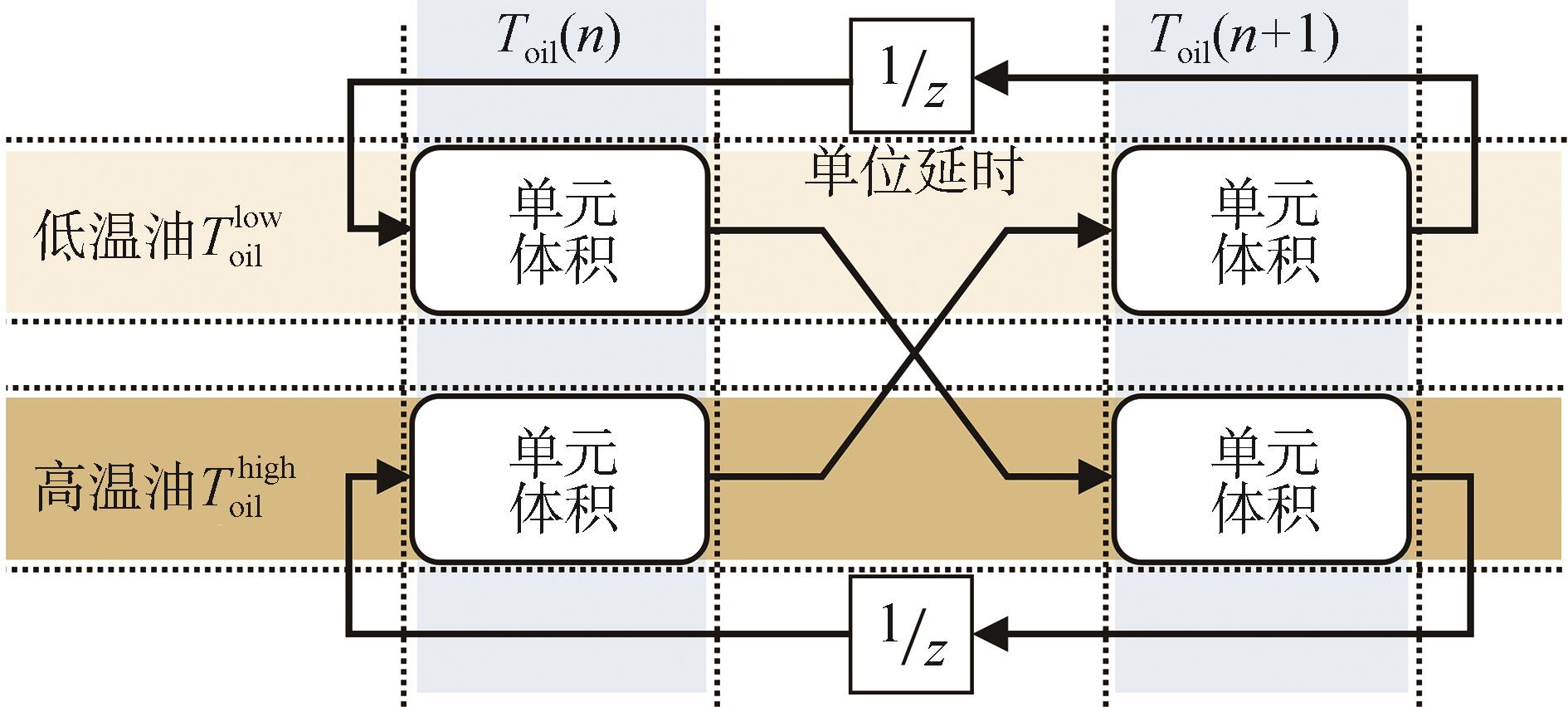
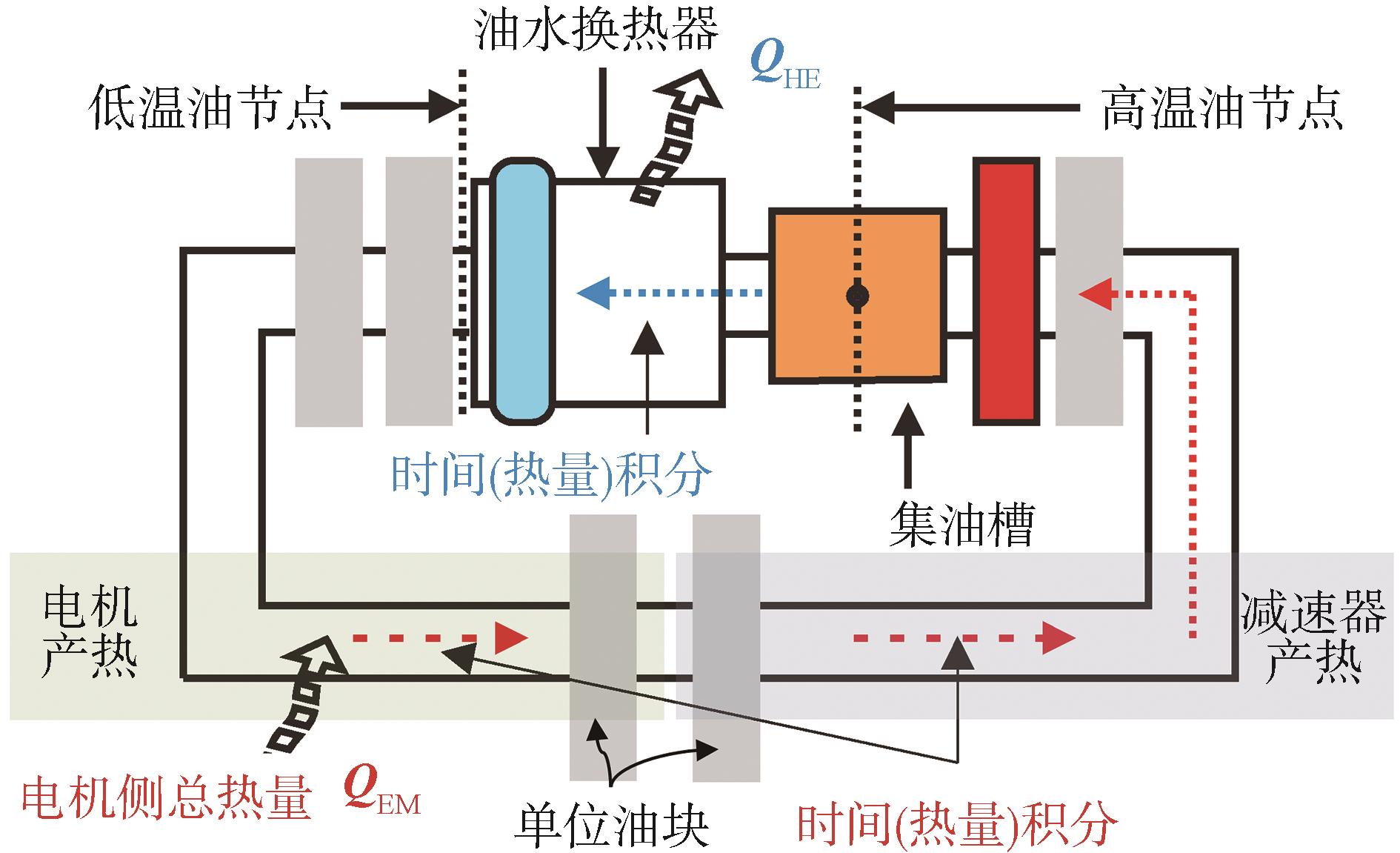
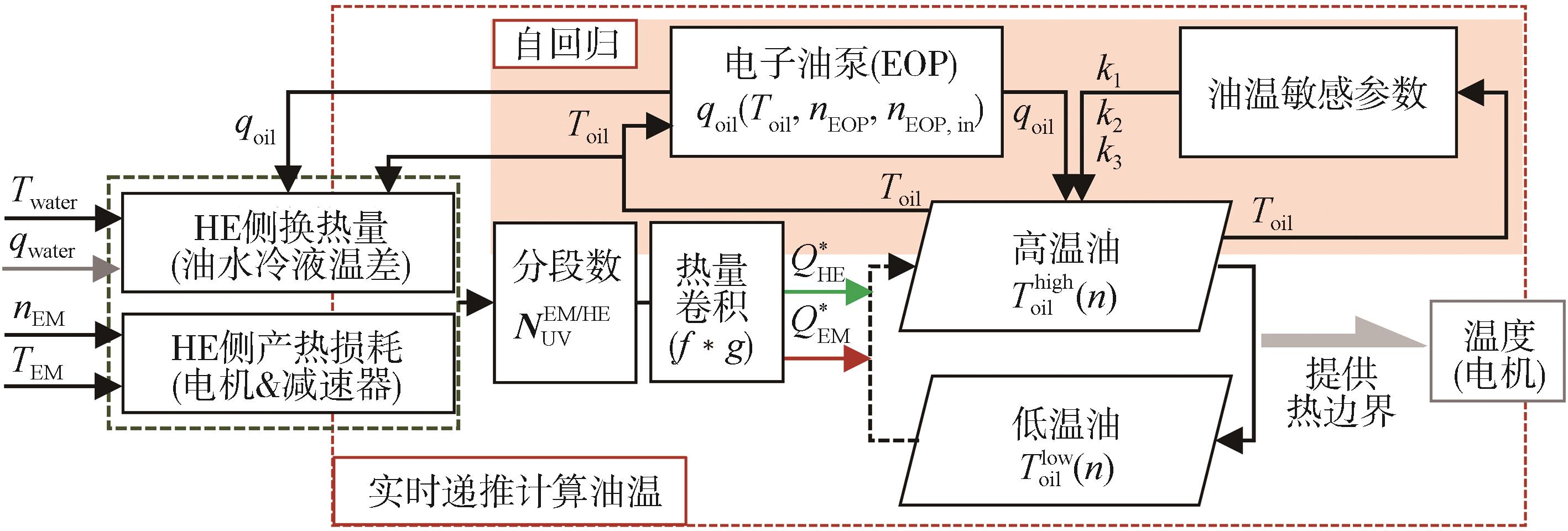
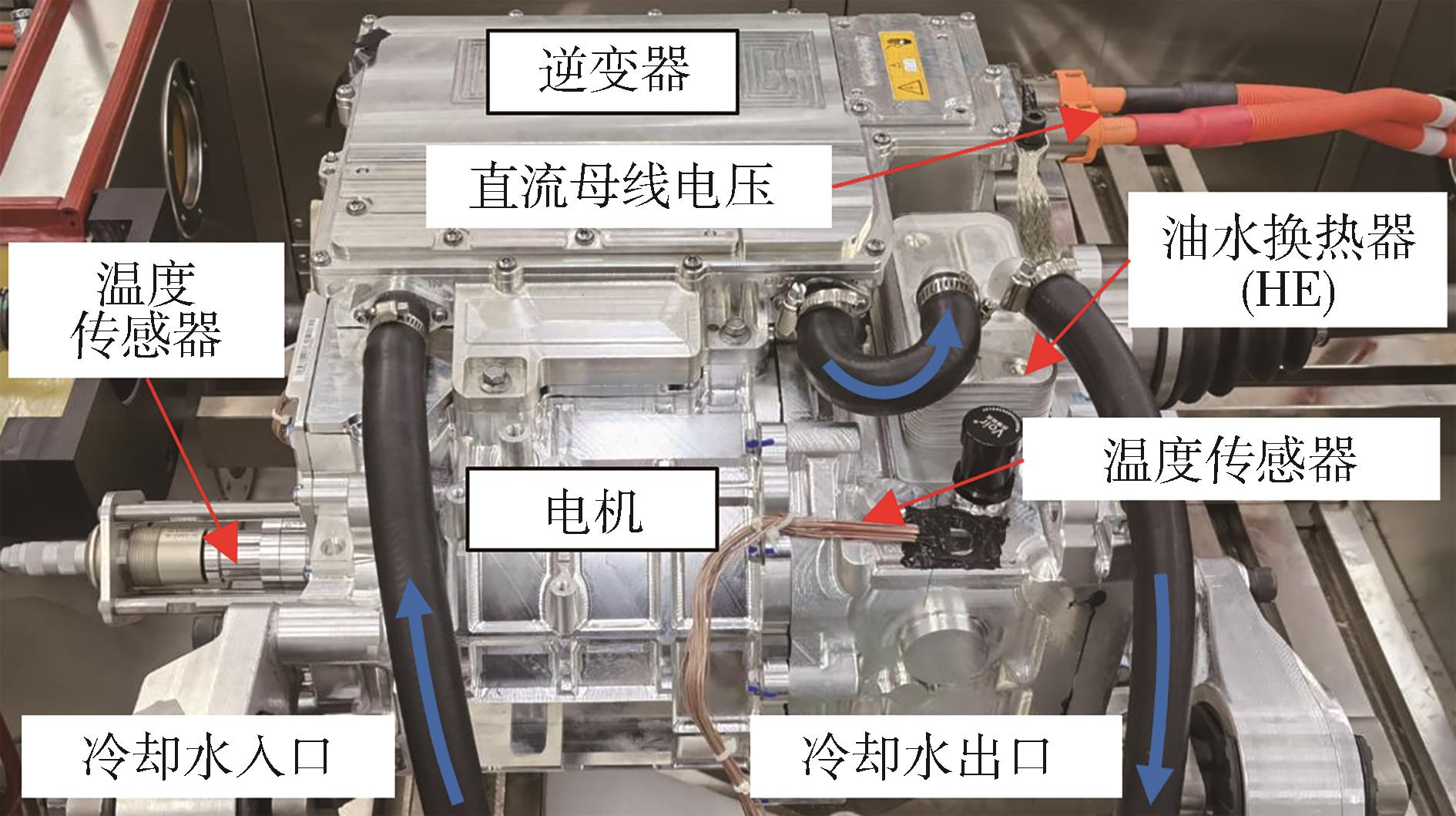
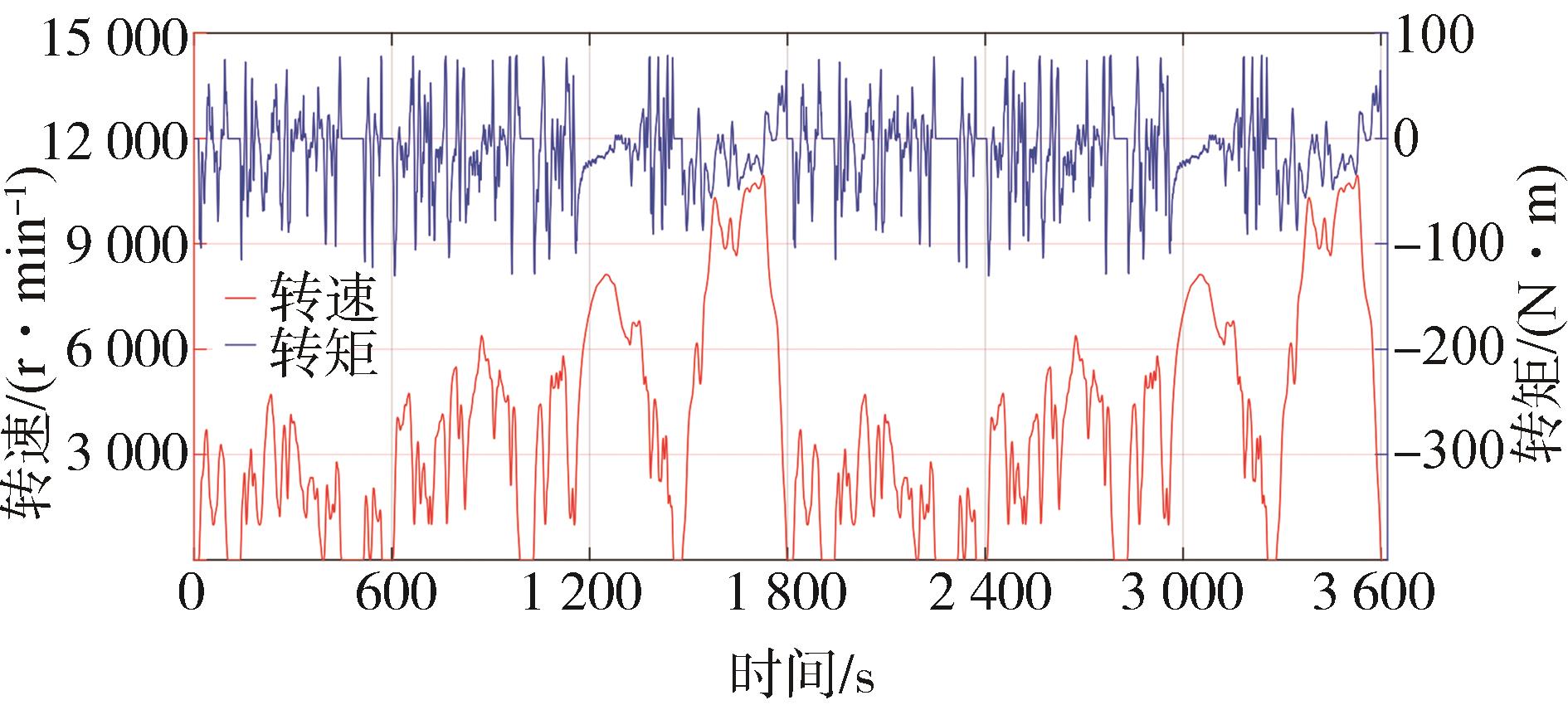
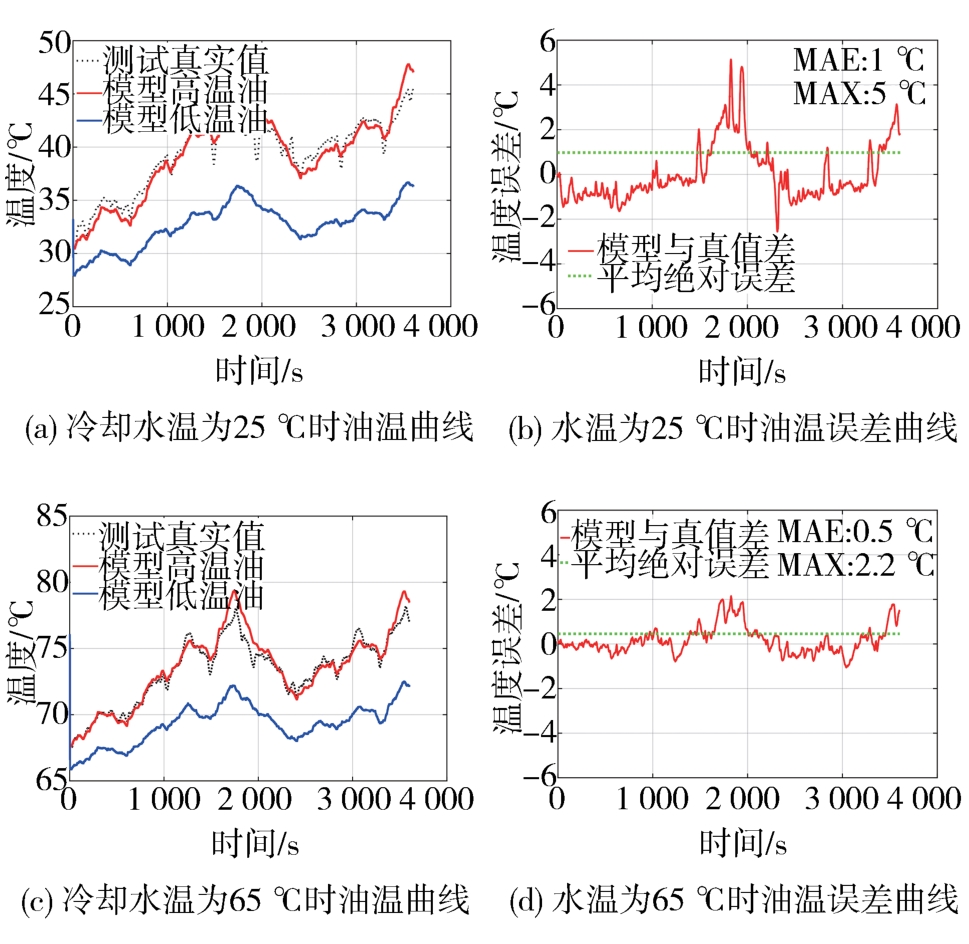
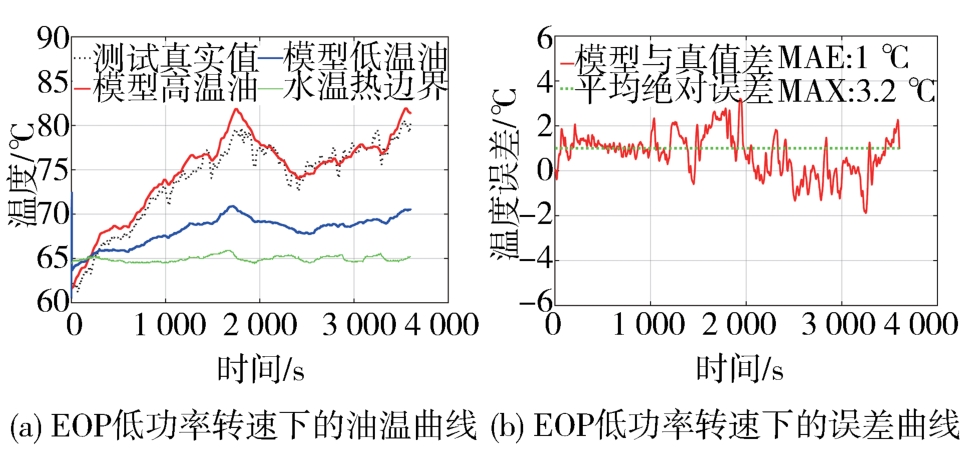
为适应车用高速电机高功率密度和极端工况下的高热负荷,目前电机冷却多采用直接接触式油冷散热方式,建立一个适合热控制方法研究的电机油温模型十分必要。现有方法主要基于有限元仿真标定,无法满足实时应用需求,而复杂油水换热回路的多物理场耦合使油温在线重构困难。本文提出了一种强化时序循环过程并考虑强自相关性的2阶集总参数油温模型。根据标定建立油路单元模型,并基于台架实测确定电机损耗响应。提出采用时序卷积方法描述换热过程,建立高低油温耦合的循环动态递推模型,并引入油温敏感参数提升工况适应能力,解决了流道内油温分布描述难题。最终通过路谱工况在线验证了模型的准确性,油冷液温度平均绝对估计误差在1 ℃以内,可支撑电机精细化热管理。

关键词: 油冷电机, 温度估计, 电动汽车, 参数辨识, 车用高速电机

Abstract:

In order to adapt to the high power density of automotive high-speed motors and the high thermal load under extreme working conditions, the current motor cooling mostly adopts the direct contact oil cooling heat dissipation method, and it is necessary to establish a motor oil temperature model suitable for the study of thermal control methods. Existing methods are mainly based on finite element simulation calibration, which cannot meet the real-time application requirements, while the multi-physical field coupling of the complex oil-water heat transfer circuit makes it difficult for the online reconstruction of oil temperature. In this paper, a second-order lumped-parameter oil temperature model is proposed to strengthen the time-sequence cyclic process and consider the strong autocorrelation. The oil circuit unit is modeled according to the calibration, and the motor loss response is determined based on bench-top measurements. The time-sequence convolution method is adopted to describe the heat transfer process, and a cyclic dynamic recursive model with high and low oil temperature coupling is established. Oil temperature-sensitive parameters are introduced to improve the adaptability of the working conditions to solve the difficult problem of describing the oil temperature distribution in the flow path. Finally, the model accuracy is verified online by road spectrum working conditions, with the average absolute estimation error of the oil coolant temperature within 1°C, which can support the refined thermal management of the motor.

Key words: oil-cooled motor, temperature estimation, electric vehicles, parameter identification, automotive high-speed motor