汽车工程 ›› 2025, Vol. 47 ›› Issue (6): 1086-1094.doi: 10.19562/j.chinasae.qcgc.2025.06.007

• • 上一篇    

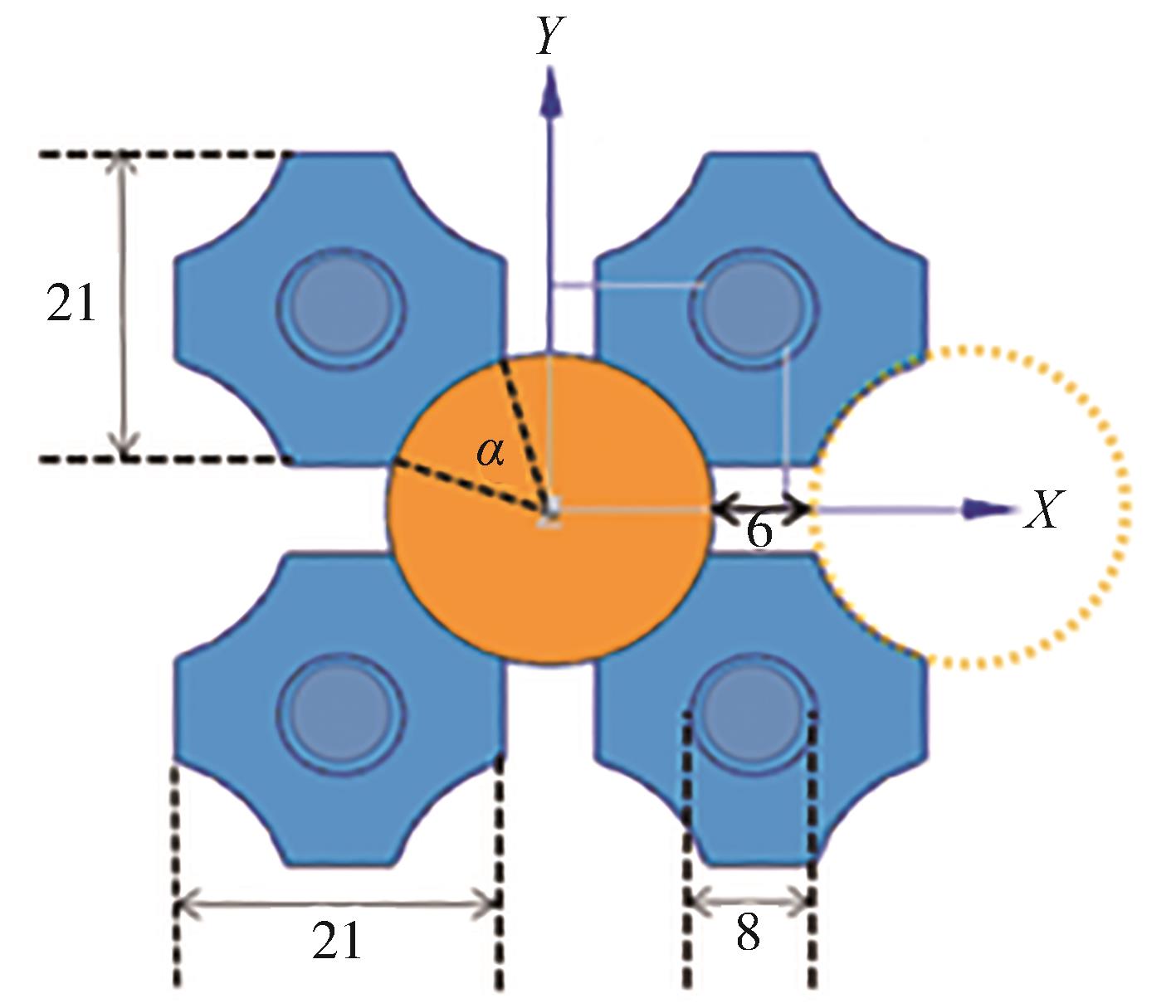
高能锂电池模组新型液冷散热结构及散热优化

陈翔1,2,何莉萍1,2(),肖咏坤1,2,陈端懋1,2,李耀东3   

  1. 1.湖南大学,整车先进设计制造技术全国重点实验室,长沙 410082
    2.湖南大学机械与运载工程学院,长沙 410082
    3.湖南中南智能装备有限公司,长沙 410116
  • 收稿日期:2024-11-29 修回日期:2025-02-16 出版日期:2025-06-25 发布日期:2025-06-20
  • 通讯作者: 何莉萍 E-mail:lphe@hnu.edu.cn
  • 基金资助:
    第二十七届中国科协年会学术论文。湖南省重点专项项目 资助。(2019GK2191)

Innovative Liquid Cooling Structure and Thermal Optimization for High-Energy Lithium Battery Modules

Xiang Chen1,2,Liping He1,2(),Yongkun Xiao1,2,Duanmao Chen1,2,Yaodong Li3   

  1. 1.Hunan University,State Key Laboratory of Advanced Design and Manufacturing Technology for Vehicles,Changsha 410082
    2.College of Mechanical and Vehicle Engineering,Hunan University,Changsha 410082
    3.Hunan Central South Intelligent Equipment Co. ,Ltd. ,Changsha 410116
  • Received:2024-11-29 Revised:2025-02-16 Online:2025-06-25 Published:2025-06-20
  • Contact: Liping He E-mail:lphe@hnu.edu.cn

摘要:

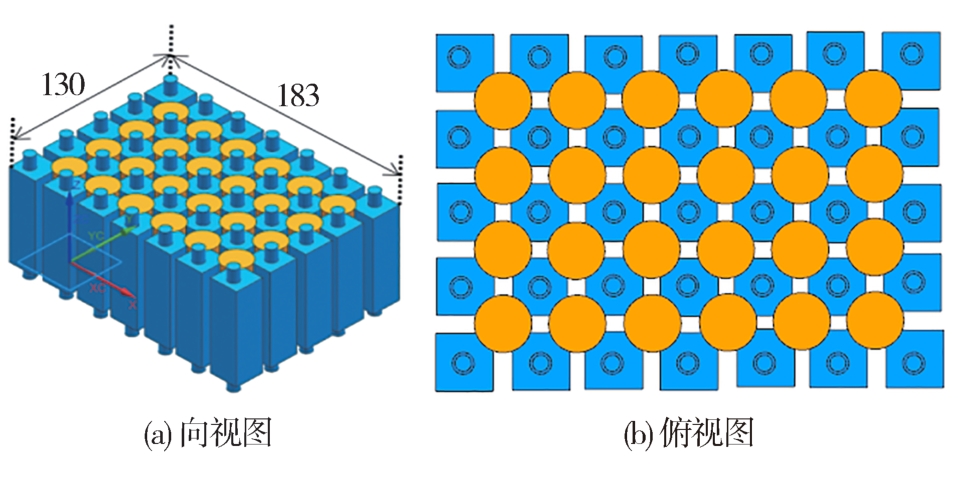
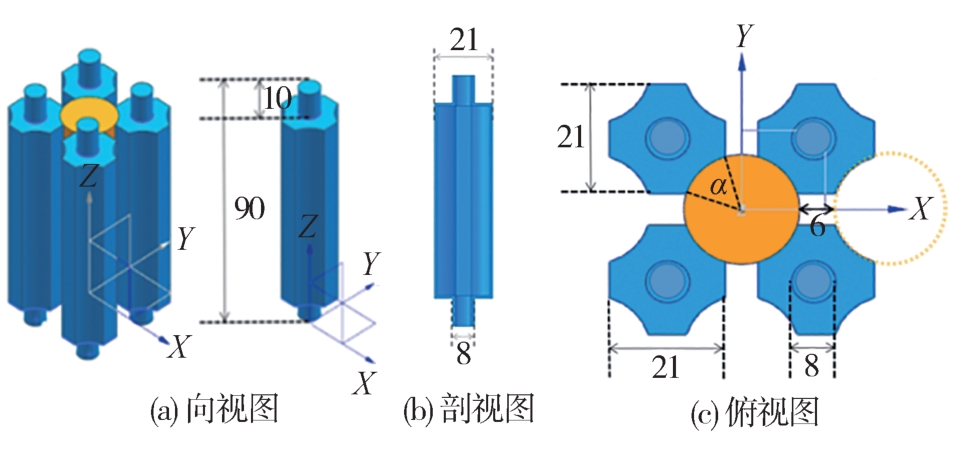
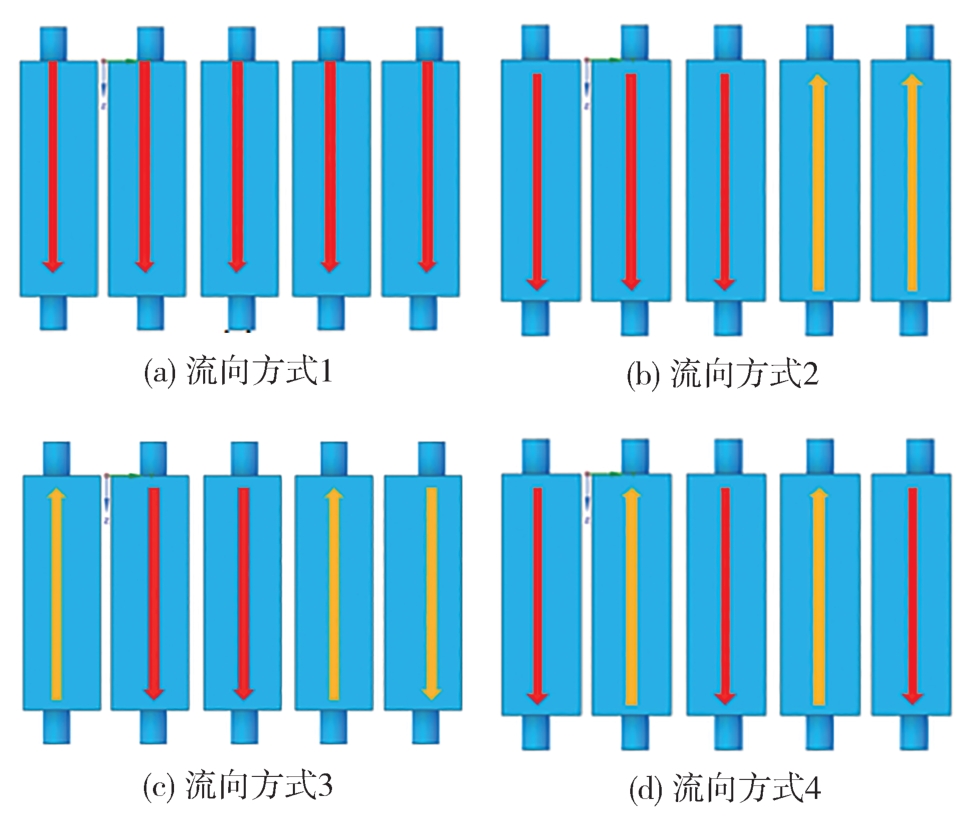
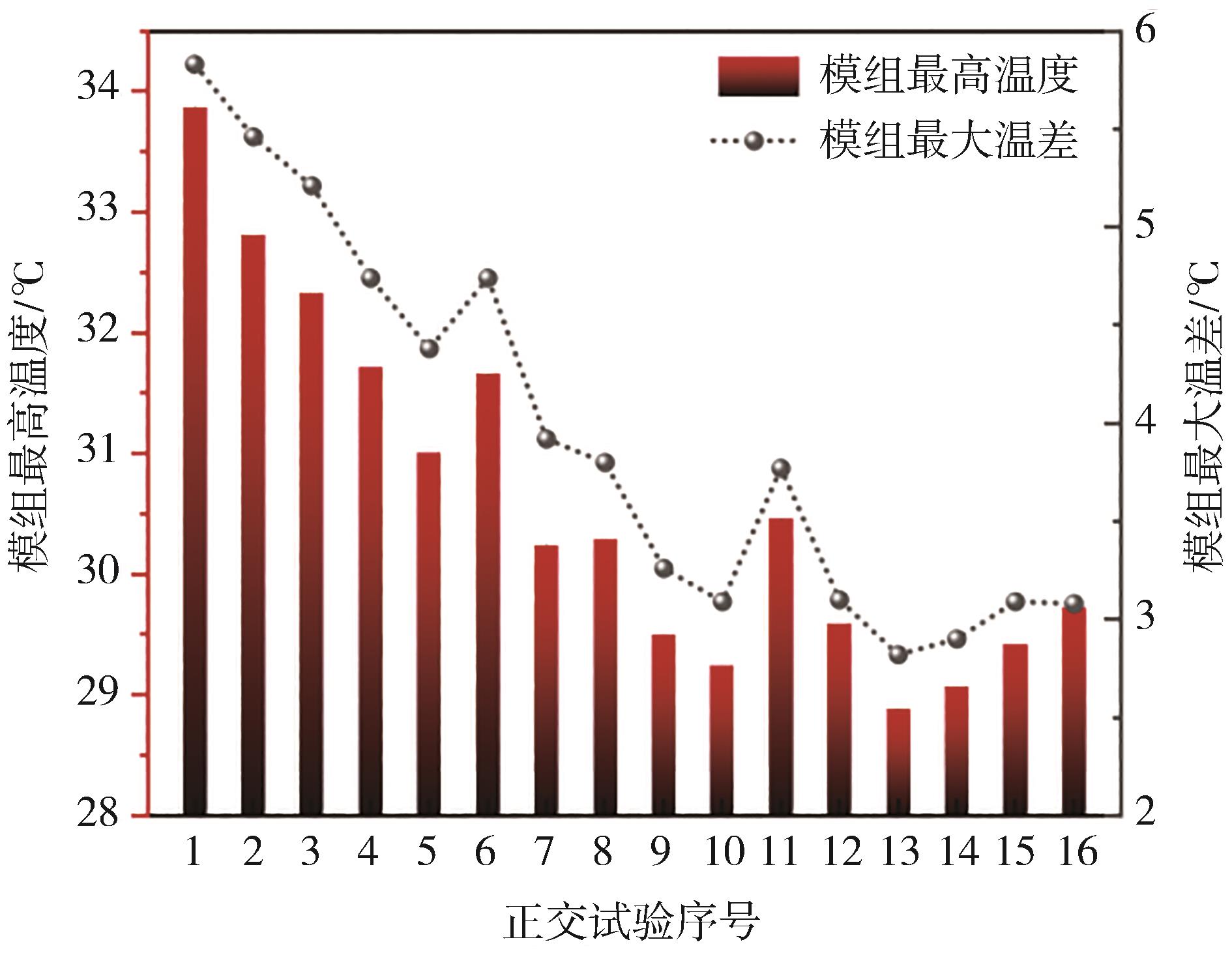
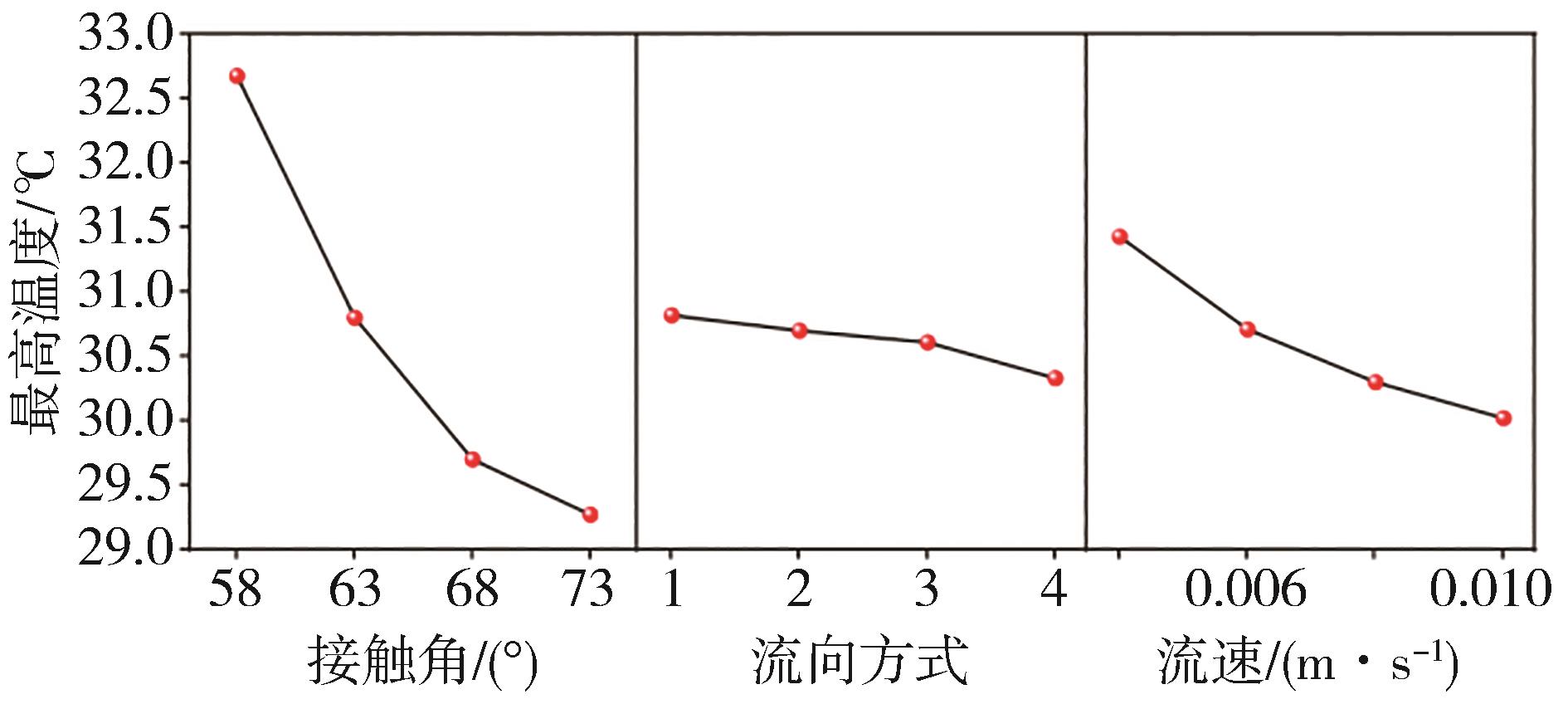
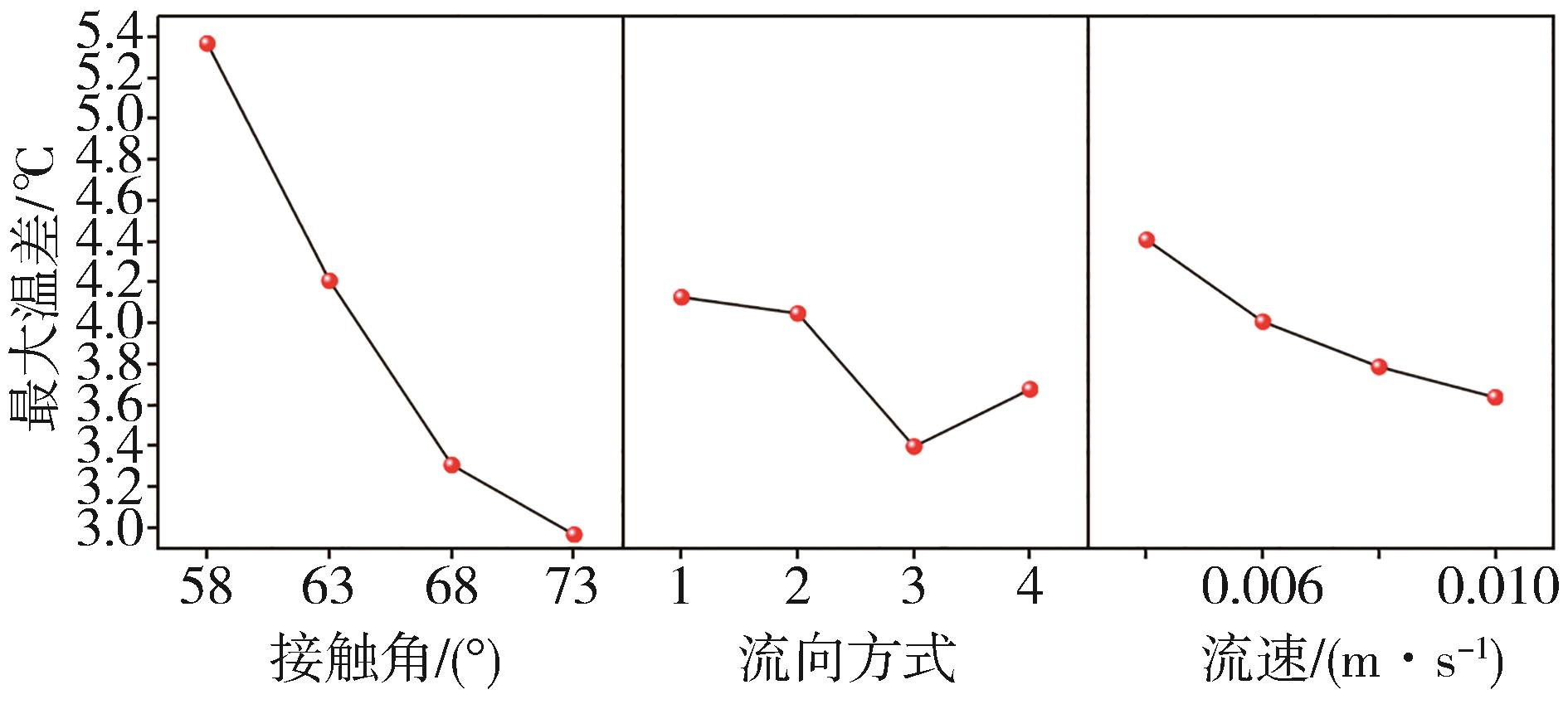
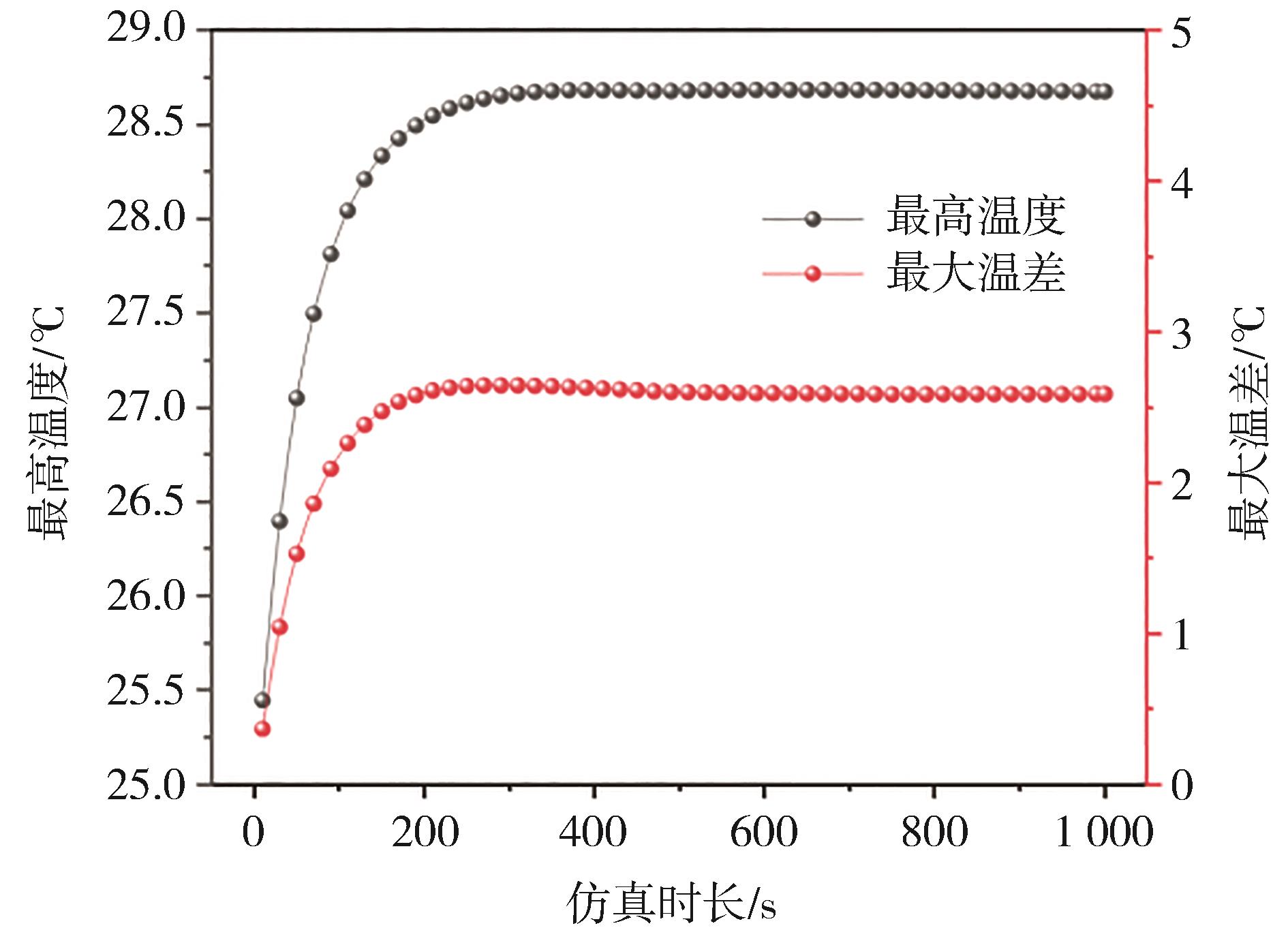
动力电池热失控是导致新能源电动汽车安全事故的重要原因。为提升电动汽车高能量动力电池系统的热安全性与可靠性,本文针对高能量密度21700电池模组设计一种新型散热结构,并基于计算流体力学理论CFD,采用Fluent软件对21700电池单体及模组散热结构进行了温度场和散热效果数值仿真分析。采用正交试验结合极差分析和方差分析的方法研究了新型散热结构参数接触角α和散热工艺参数冷却液流速v、冷却液流向方式р对散热性能的影响及其影响权重排序,并优化参数组合。结果表明:上述参数对散热效果的影响权重排序为分析接触角α>冷却液流速v>冷却液流向方式р;参数的最优组合,接触角α为73°,冷却液流向方式р为流向3,冷却液流速v为0.010 m/s。在最优组合参数条件下,电池模组的最高温度和最大温差分别为28.68和2.65 ℃,满足了动力电池模组最高温度和最大温差的要求。本文提出的新型高能21700锂离子电池模组液冷散热结构,可望为高能量高功率电池模组散热提供新结构、新技术、新方法。

关键词: 电动汽车, 锂离子电池, 液冷, 散热结构, 正交试验, 优化设计

Abstract:

Thermal runaway in power battery is a significant cause of safety incidents in new energy electric vehicles. To enhance the thermal safety and reliability of high-energy power battery systems in electric vehicles, a novel cooling structure is designed for the high-energy density 21700-battery module. Based on Computational Fluid Dynamics (CFD) theory, the Fluent software is employed to conduct numerical simulation of the temperature field and cooling effect of the 21700 battery cell and the cooling structure of the module. The orthogonal experiment is used in conjunction with range analysis and variance analysis to study the effect of the novel parameters in cooling structure, contact angle α, and cooling parameters in process, coolant velocity v and flow direction mode р, on cooling performance. The weight ranking of these parameters' influence and their optimal combination are determined. The results show that the parameters influencing cooling performance, ranked by their impact from greatest to least, are contact angle α, coolant flow rate v, and coolant flow direction р. The optimal parameters combination of contact angle α, flow direction mode р, and coolant velocity v is 73°, mode 3, and 0.010 m/s, respectively. Under the optimal parameters, the maximum temperature and the maximum temperature difference of the battery module is 28.68 and 2.65 ℃, respectively, which meet the requirements of the maximum temperature and maximum temperature difference of the power battery module. The novel liquid cooling structure for high-energy 21700 lithium-ion battery module proposed in this paper is expected to provide a new structure, new technology and new method for cooling high-energy and high-power battery modules.

Key words: electric vehicles, lithium-ion batteries, liquid cooling, cooling structure, orthogonal experiments, optimization design