Administrator by China Associction for Science and Technology
Sponsored by China Society of Automotive Engineers
Published by AUTO FAN Magazine Co. Ltd.

Automotive Engineering ›› 2025, Vol. 47 ›› Issue (11): 2103-2112.doi: 10.19562/j.chinasae.qcgc.2025.11.005

Previous Articles    

Numerical Study on Aerodynamic Characteristics of Electric Vertical Take-off and Landing Aircraft with Lift-and-Cruise Configuration

Quan Zhou1,2,Qing Jia1,Chao Xia1,Reng Mo1,Huanxia Wei1(),Yingchao Zhang2(),Qiangqiang Hu3,Zhigang Yang1,3   

  1. 1.School of Automotive Studies,Tongji University,Shanghai 201804
    2.Jilin University,National Key Laboratory of Automotive Chassis Integration and Bionics,Changchun 130025
    3.COMAC Beijing Aircraft Technology Research Institute,Beijing 102211
  • Received:2025-06-19 Revised:2025-09-25 Online:2025-11-25 Published:2025-11-28
  • Contact: Huanxia Wei,Yingchao Zhang E-mail:huanxia.wei@u.nus.edu;yingchao@jlu.edu.cn

Abstract:

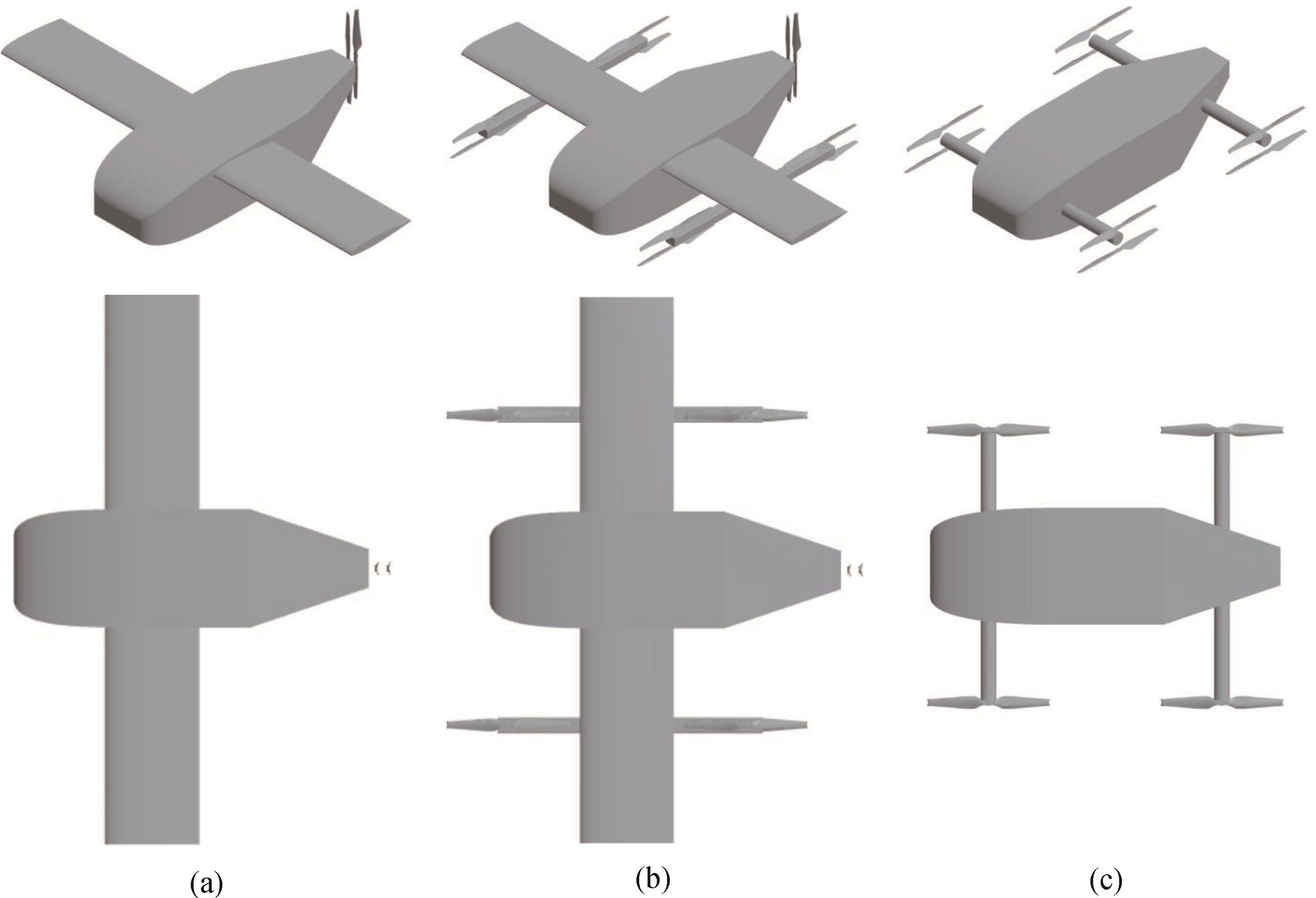
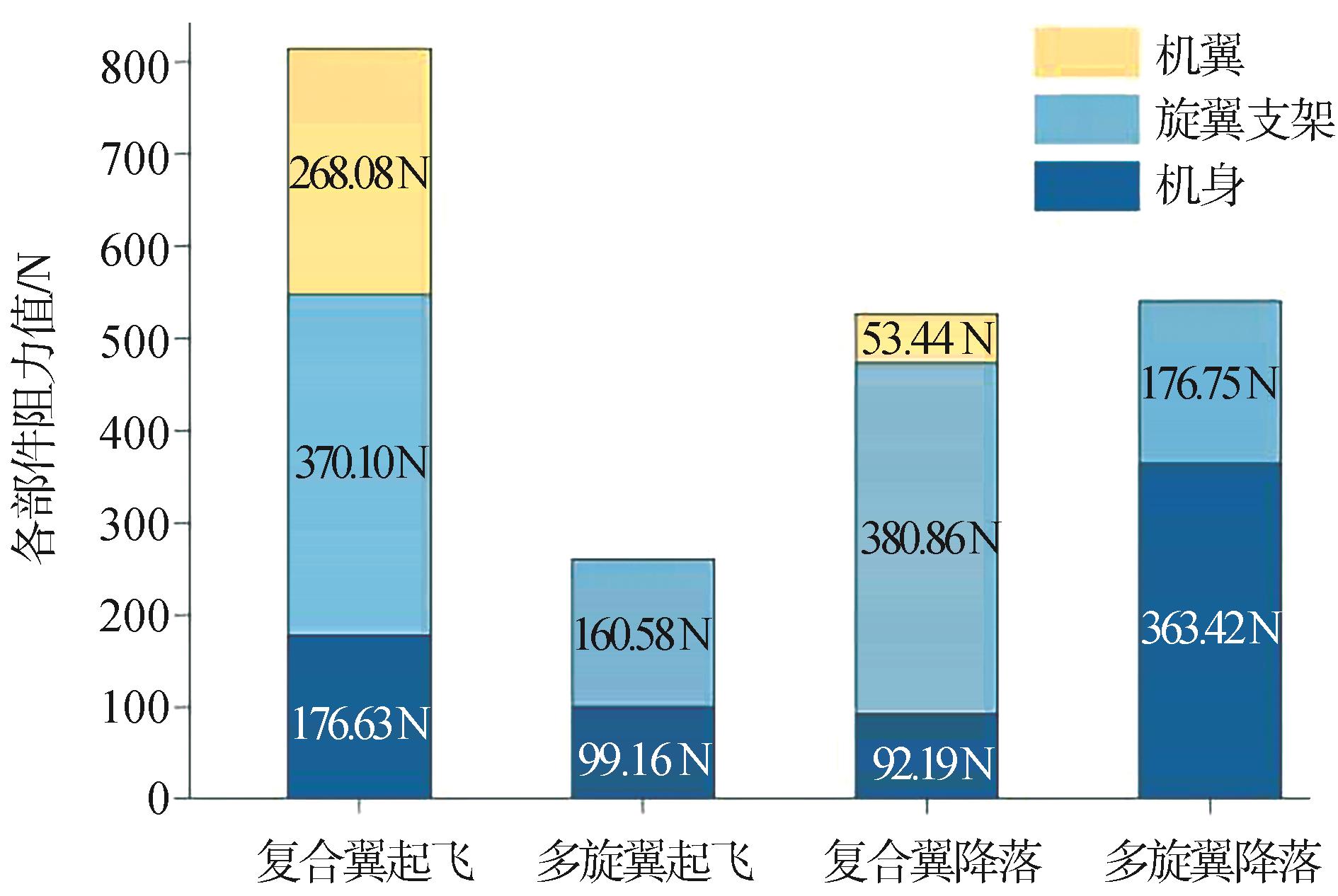
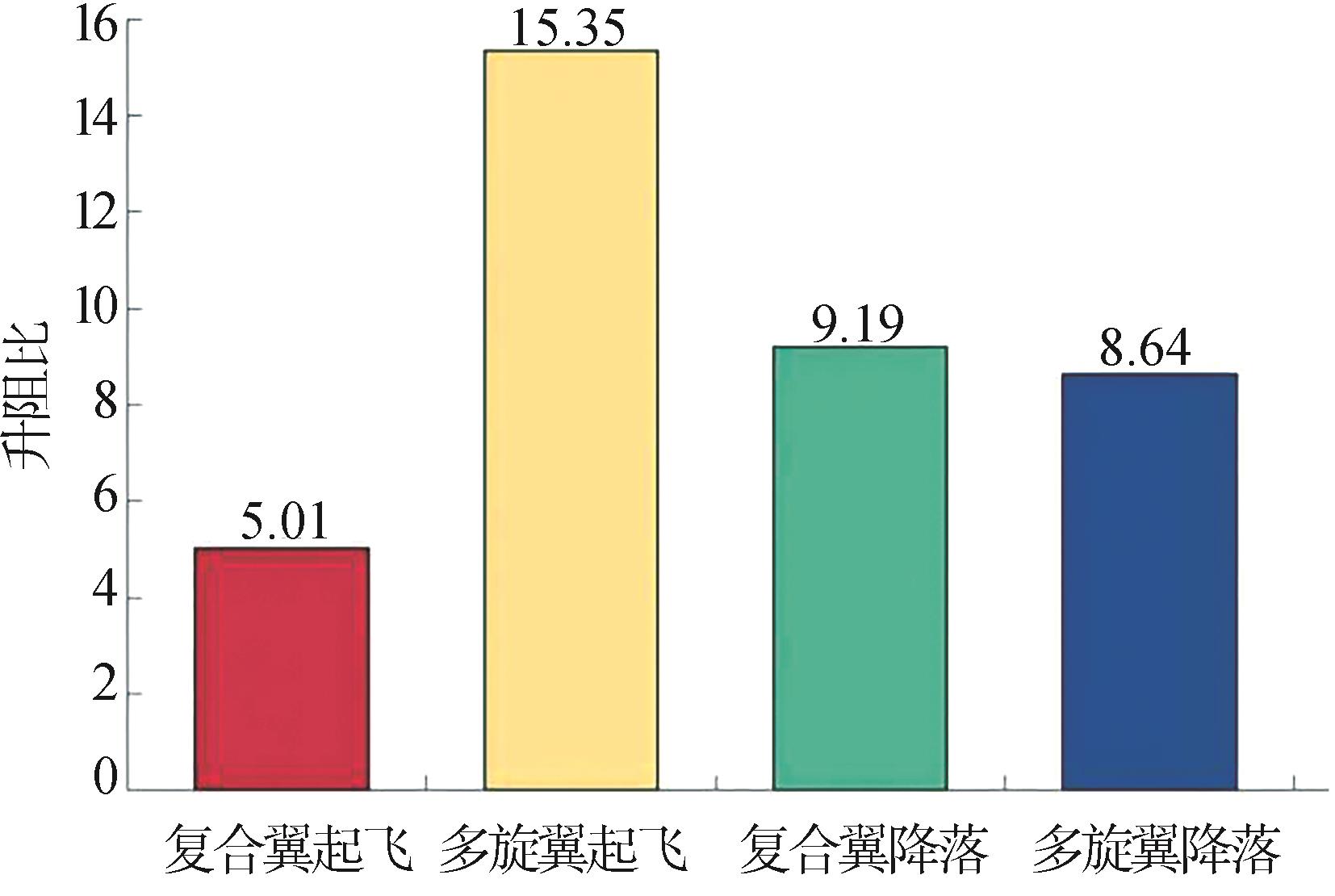
In this study a simplified aerodynamic model applicable to various electric vertical take-off and landing (eVTOL) configurations is established and the improved delayed detached-eddy simulation method is used to numerically simulate the aerodynamic characteristics of different eVTOL configurations during typical flight phases, including take-off, landing, cruise, and climb. The results show that the lift-to-drag ratio of the lift-and-cruise configuration during take-off is approximately one-third that of the multi-rotor configuration, while the two are comparable during landing. During the cruise phase, the lift-to-drag ratio of the lift-and-cruise configuration is 20.52% lower than that of the fixed-wing configuration, and 17.14% lower during the climb phase. Overall, the lift-and-cruise configuration is inferior to the multi-rotor configuration during take-off, slightly outperforms it during landing, and falls short of the fixed-wing configuration in both cruise and climb phases. The findings provide scientific guidance and an engineering basis for eVTOL configuration selection and aerodynamic performance optimization.

Key words: eVTOL, computational fluid dynamics, aerodynamics, flight phases