汽车工程 ›› 2025, Vol. 47 ›› Issue (5): 820-828.doi: 10.19562/j.chinasae.qcgc.2025.05.003

• • 上一篇    下一篇

结构化道路下智能车时空联合轨迹规划方法

胡杰1,2,3(),郑嘉辰1,2,3,周思龙1,2,3,赵文龙1,2,3,张志凌1,2,3,姚茂嘉1,2,3   

  1. 1.武汉理工大学,现代汽车零部件技术湖北省重点实验室,武汉 430070
    2.武汉理工大学,汽车零部件技术湖北省协同创新中心,武汉 430070
    3.新能源与智能网联车湖北工程技术研究中心,武汉 430070
  • 收稿日期:2024-10-16 修回日期:2024-12-10 出版日期:2025-05-25 发布日期:2025-05-20
  • 通讯作者: 胡杰 E-mail:auto_hj@163.com
  • 基金资助:
    湖北省重大攻关项目(JD2023BAA017)

Spatio-Temporal Unified Planning Method for Intelligent Vehicles on Structured Road

Jie Hu1,2,3(),Jiachen Zheng1,2,3,Silong Zhou1,2,3,Wenlong Zhao1,2,3,Zhiling Zhang1,2,3,Maojia Yao1,2,3   

  1. 1.Wuhan University of Technology,Hubei Key Laboratory of Modern Auto Parts Technology,Wuhan 430070
    2.Wuhan University of Technology,Auto Parts Technology Hubei Collaborative Innovation Center,Wuhan 430070
    3.Hubei Technology Research Center of New Energy and Intelligent Connected Vehicle Engineering,Wuhan 430070
  • Received:2024-10-16 Revised:2024-12-10 Online:2025-05-25 Published:2025-05-20
  • Contact: Jie Hu E-mail:auto_hj@163.com

摘要:

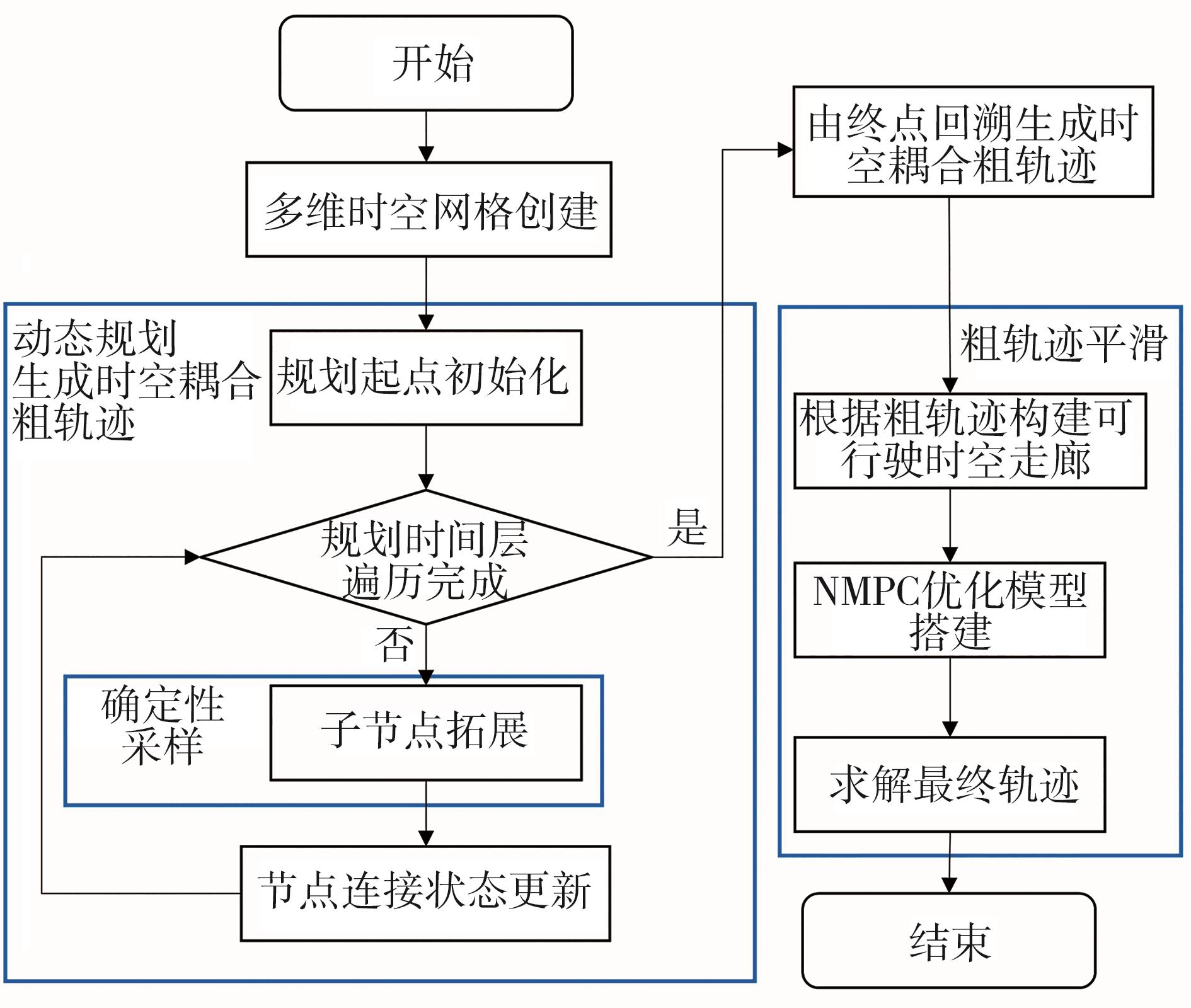
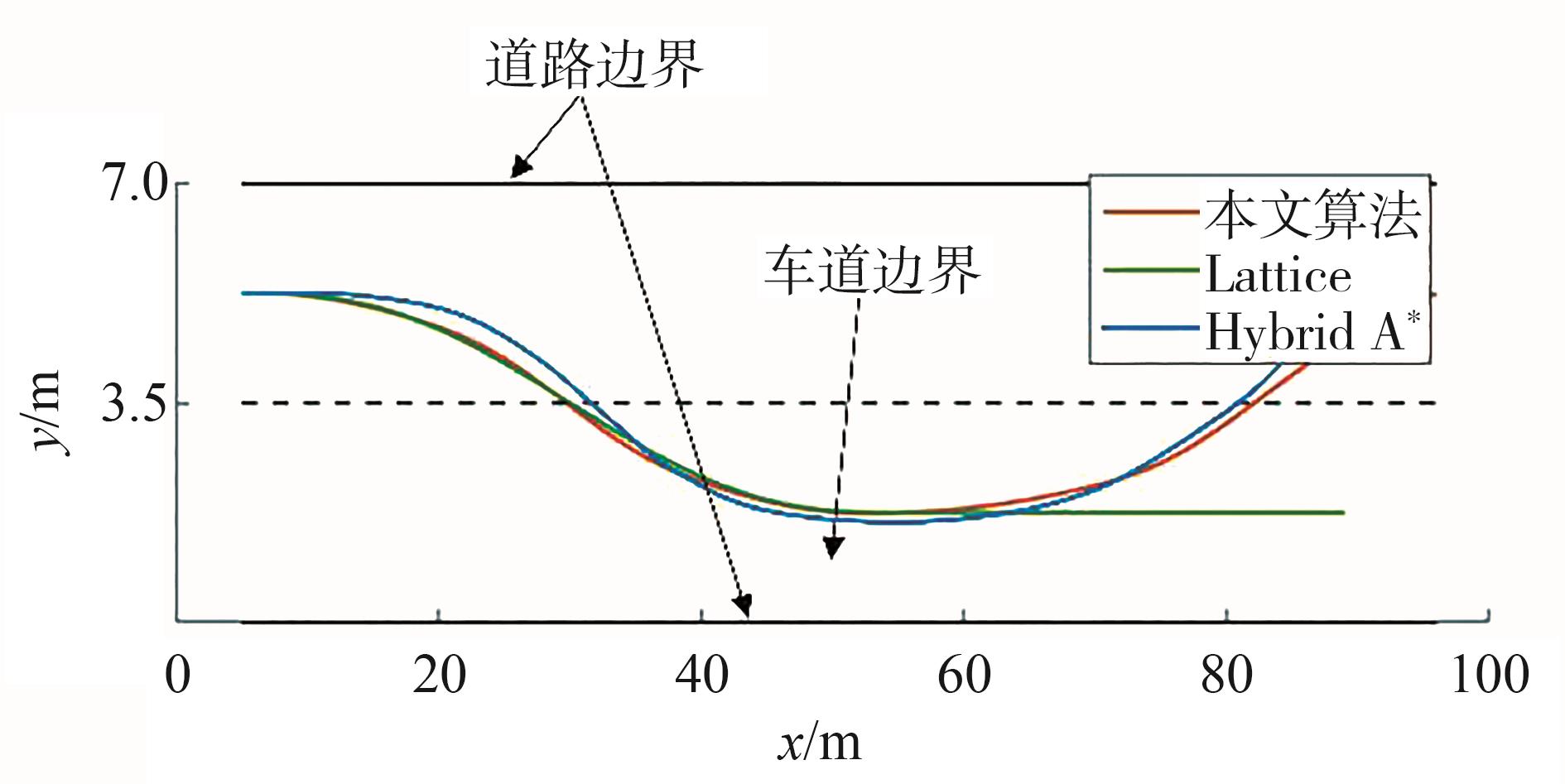
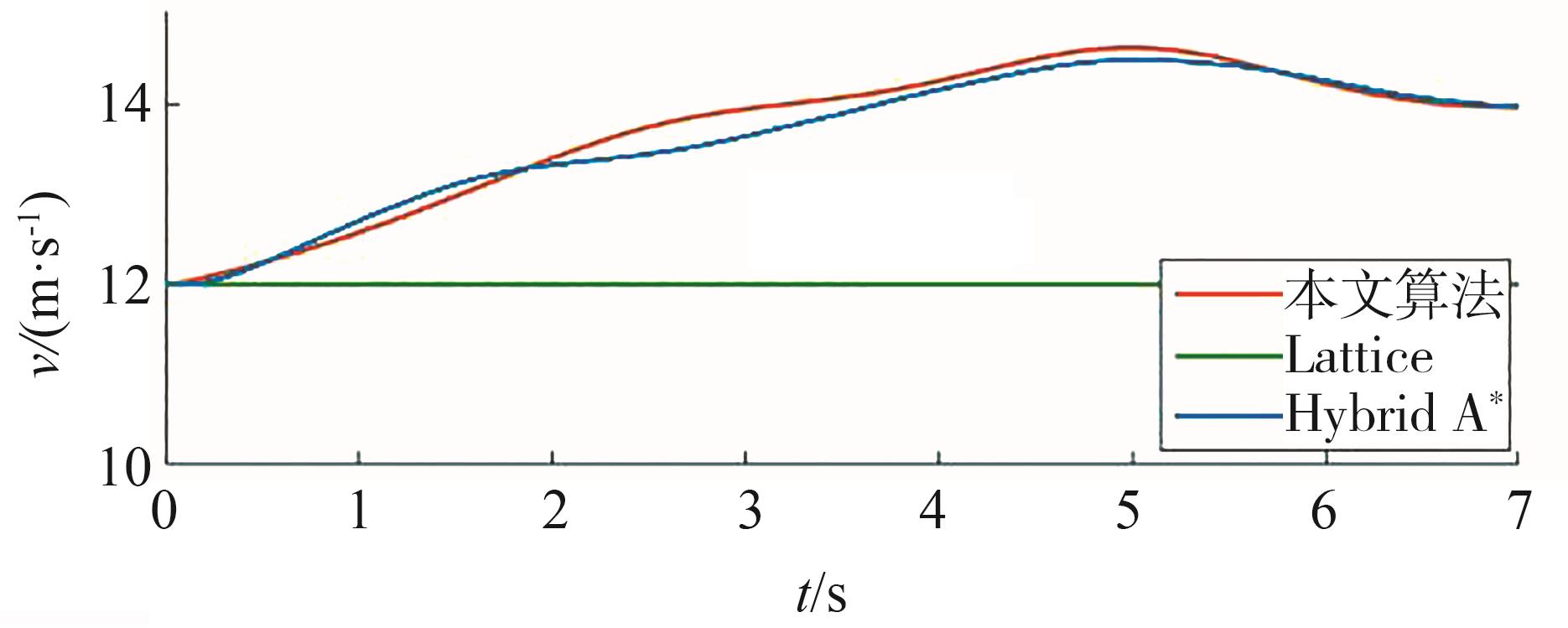
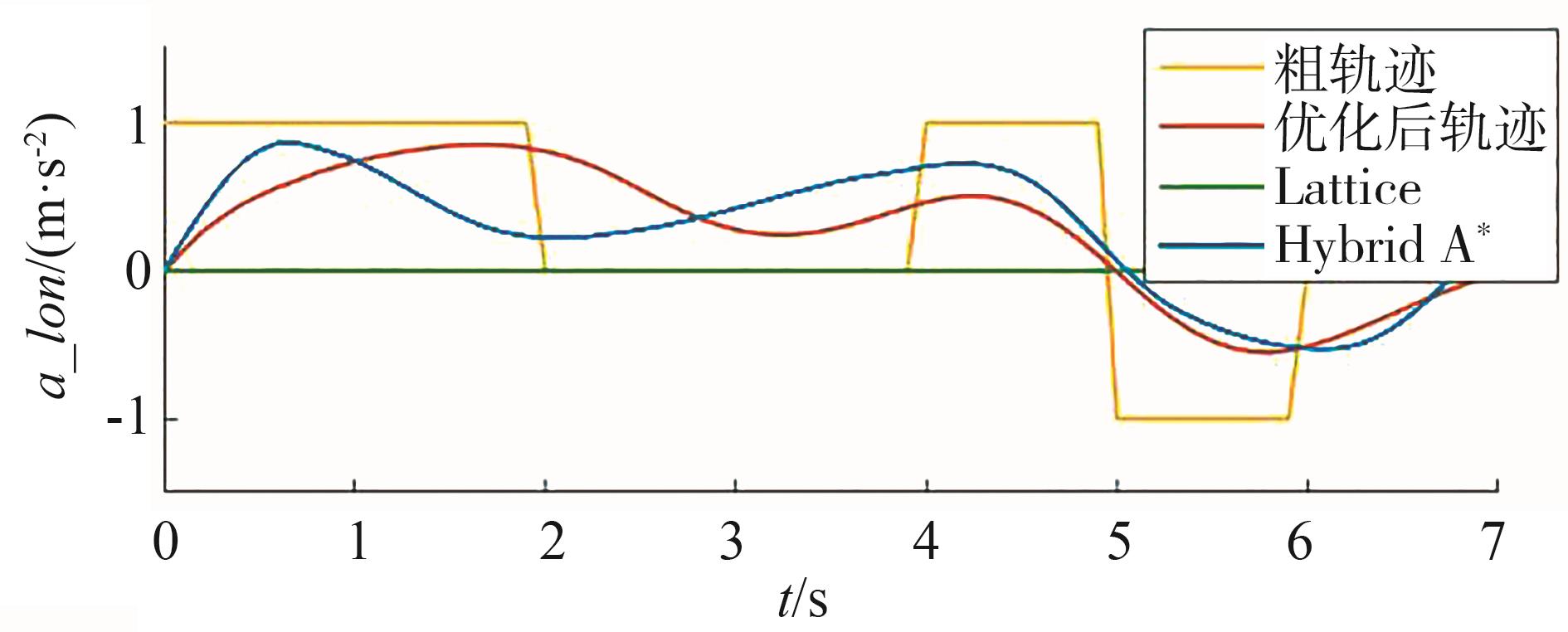
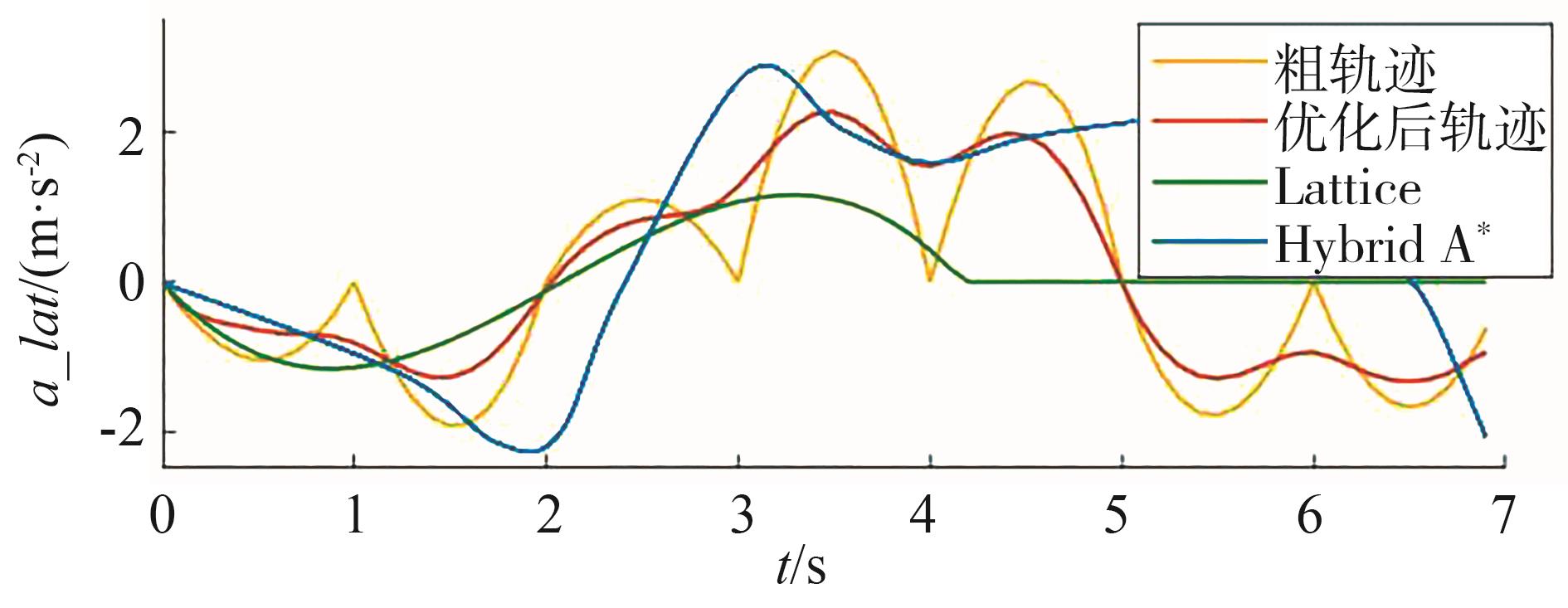
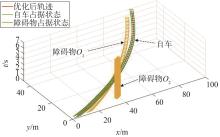
针对自动驾驶汽车所应用的时空分离轨迹规划方法易导致车辆灵活性不足,甚至无法在复杂工况下规划出可行轨迹,而现有时空联合轨迹规划方法难以满足结构化道路应用要求的问题,本文提出了一种基于动态规划与数值优化算法的时空联合规划方法。首先,在Frenet坐标系下使用动态规划算法生成时空耦合粗轨迹,过程中采用确定性采样法进行子节点拓展。然后,以粗轨迹为参考在笛卡尔坐标系下构建可行驶时空走廊,建立NMPC优化模型求解最终轨迹。最后,通过仿真验证算法有效性,结果表明,所提出的方法对结构化道路的适应性良好,相较于其他时空联合规划算法,能够更好地平衡通行效率、轨迹舒适性、算法实时性的要求。

关键词: 时空联合轨迹规划, 动态规划, 确定性采样, 可行驶时空走廊, NMPC优化

Abstract:

For the problem that the spatio-temporal separation trajectory planning method used in autonomous vehicles is prone to insufficient vehicle flexibility, and even cannot generate feasible trajectories under complex working conditions, while the existing spatio-temporal unified trajectory planning method is difficult to meet the requirements of structured road application, a spatio-temporal unified planning method based on dynamic programming and numerical optimization algorithm is proposed. Firstly, the spatio-temporal unified coarse trajectory is generated by dynamic programming algorithm in Frenet coordinate system. In the process, deterministic sampling method is used to expand the child nodes. Then, taking the coarse trajectory as reference, the feasible spatio-temporal corridor is constructed in Cartesian coordinate system, and the NMPC optimization model is established to generate the final trajectory. Finally, the algorithm is verified by simulation. The results show that the proposed algorism has good adaptability to structured road, and can better balance the requirements of traffic efficiency, trajectory comfort and time consumption than other spatio-temporal unified algorithms.

Key words: spatio-temporal unified planning, dynamic planning, deterministic sampling, feasible spatio-temporal corridor, NMPC optimization