汽车工程 ›› 2025, Vol. 47 ›› Issue (9): 1790-1802.doi: 10.19562/j.chinasae.qcgc.2025.09.015

• • 上一篇    

车载TSN流量调度系统设计及验证

曲婧瑶1(),赵森1,赵立金1,杨莉华2,黄俊2,尹鸿苇2,常伟2   

  1. 1.中国汽车工程学会,北京 100176
    2.国汽(北京)智能网联汽车研究院有限公司,北京 100176
  • 收稿日期:2024-11-07 修回日期:2025-04-07 出版日期:2025-09-25 发布日期:2025-09-19
  • 通讯作者: 曲婧瑶 E-mail:qjy@sae-china.org
  • 基金资助:
    国家重点研发计划“新能源汽车”重点专项(2023YFB2504500)

Design and Verification of Vehicle TSN Traffic Scheduling System

Jingyao Qu1(),Sen Zhao1,Lijin Zhao1,Lihua Yang2,Jun Huang2,Hongwei Yin2,Wei Chang2   

  1. 1.China Society of Automotive Engineers,Beijing 100176
    2.China Intelligent and Connected Vehicles (Beijing)Research Institute Co. ,Ltd. ,Beijing 100176
  • Received:2024-11-07 Revised:2025-04-07 Online:2025-09-25 Published:2025-09-19
  • Contact: Jingyao Qu E-mail:qjy@sae-china.org

摘要:

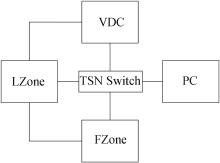
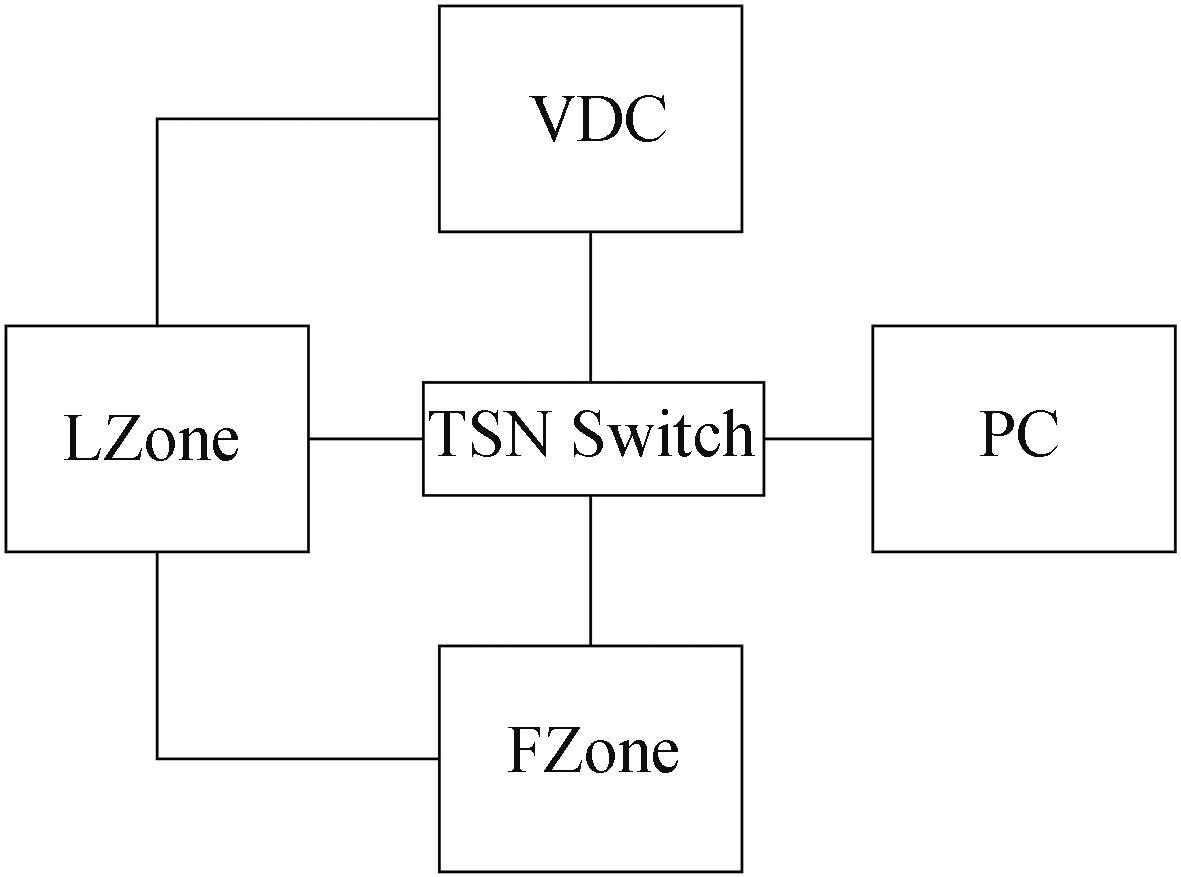
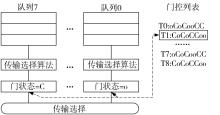
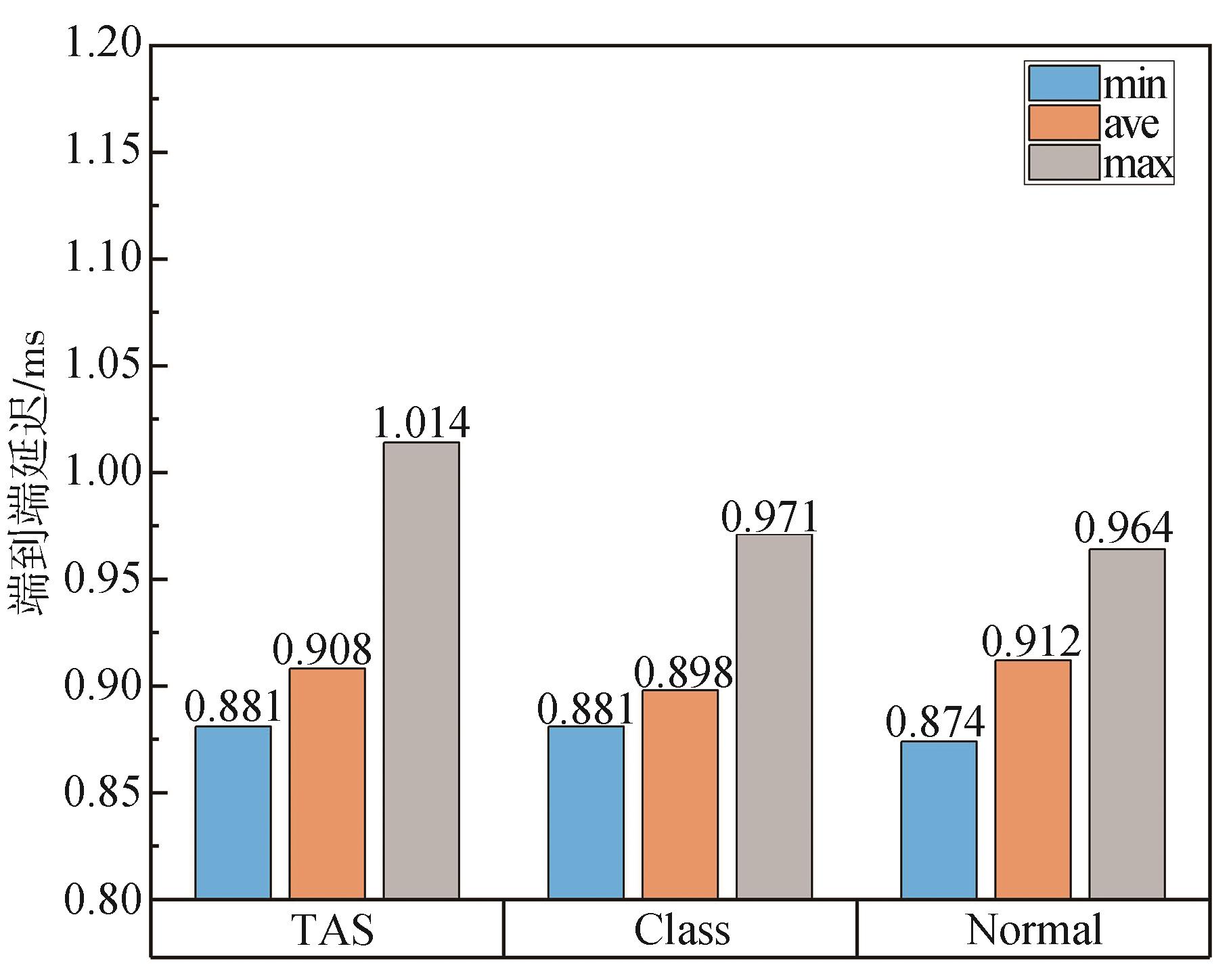
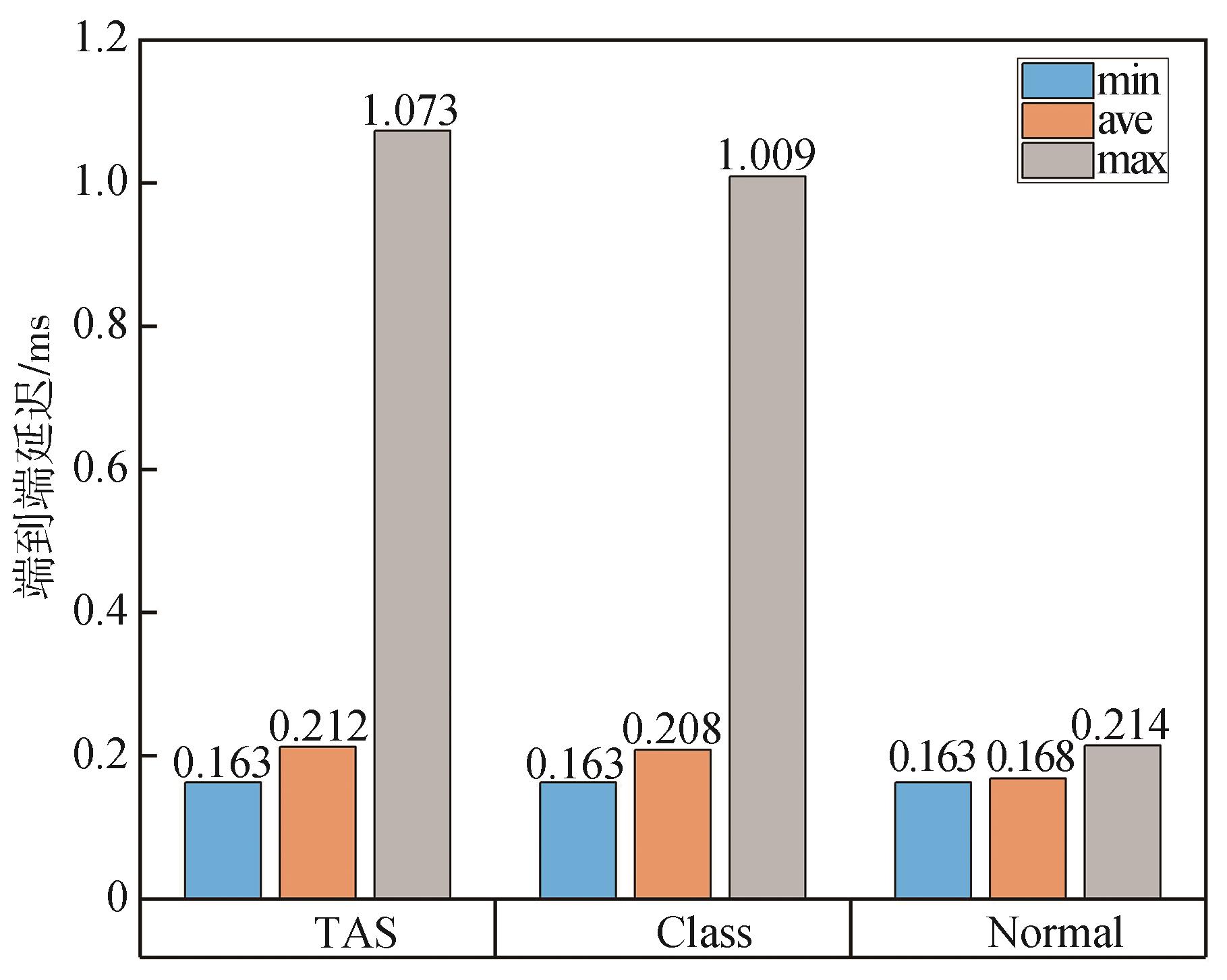
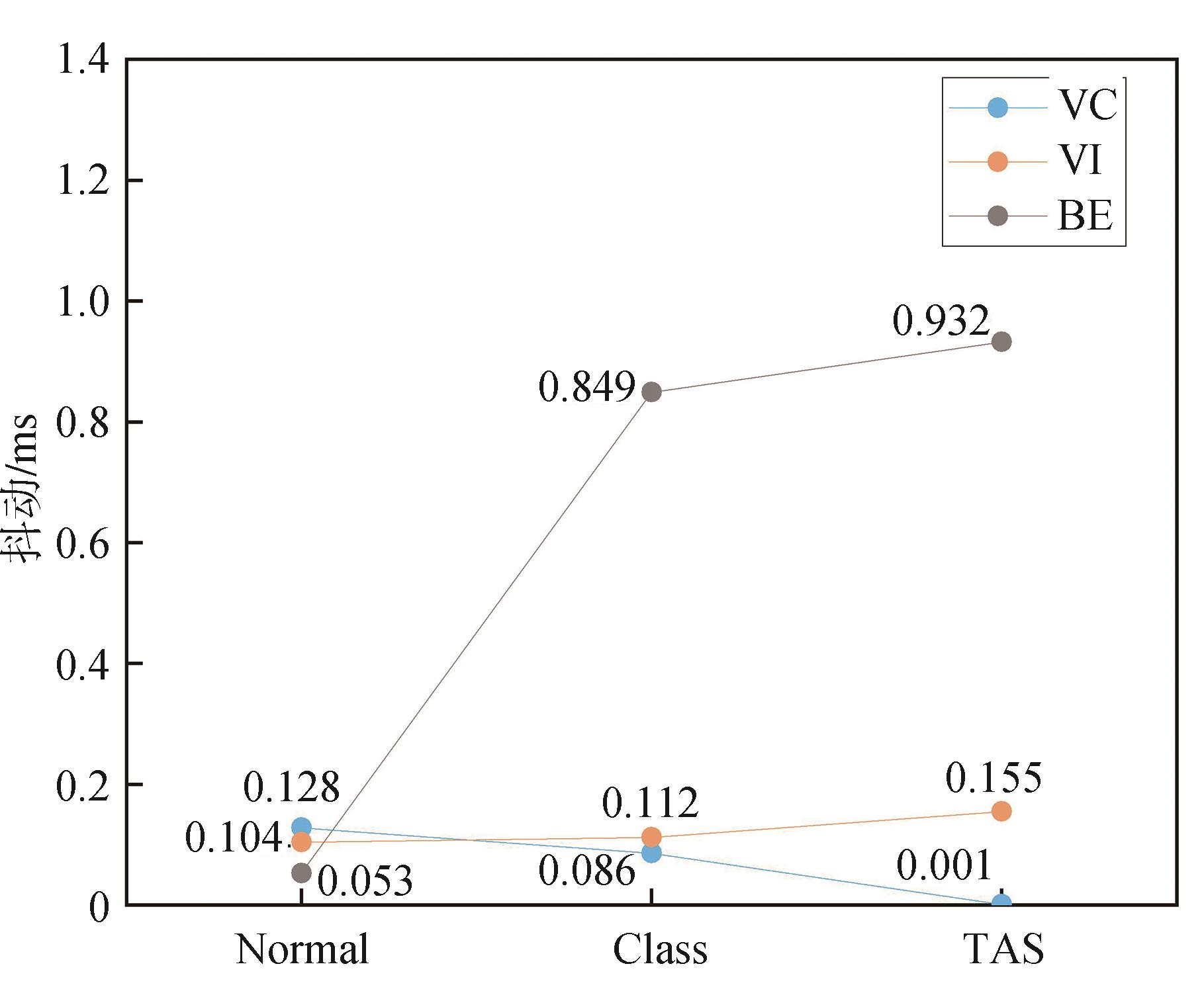
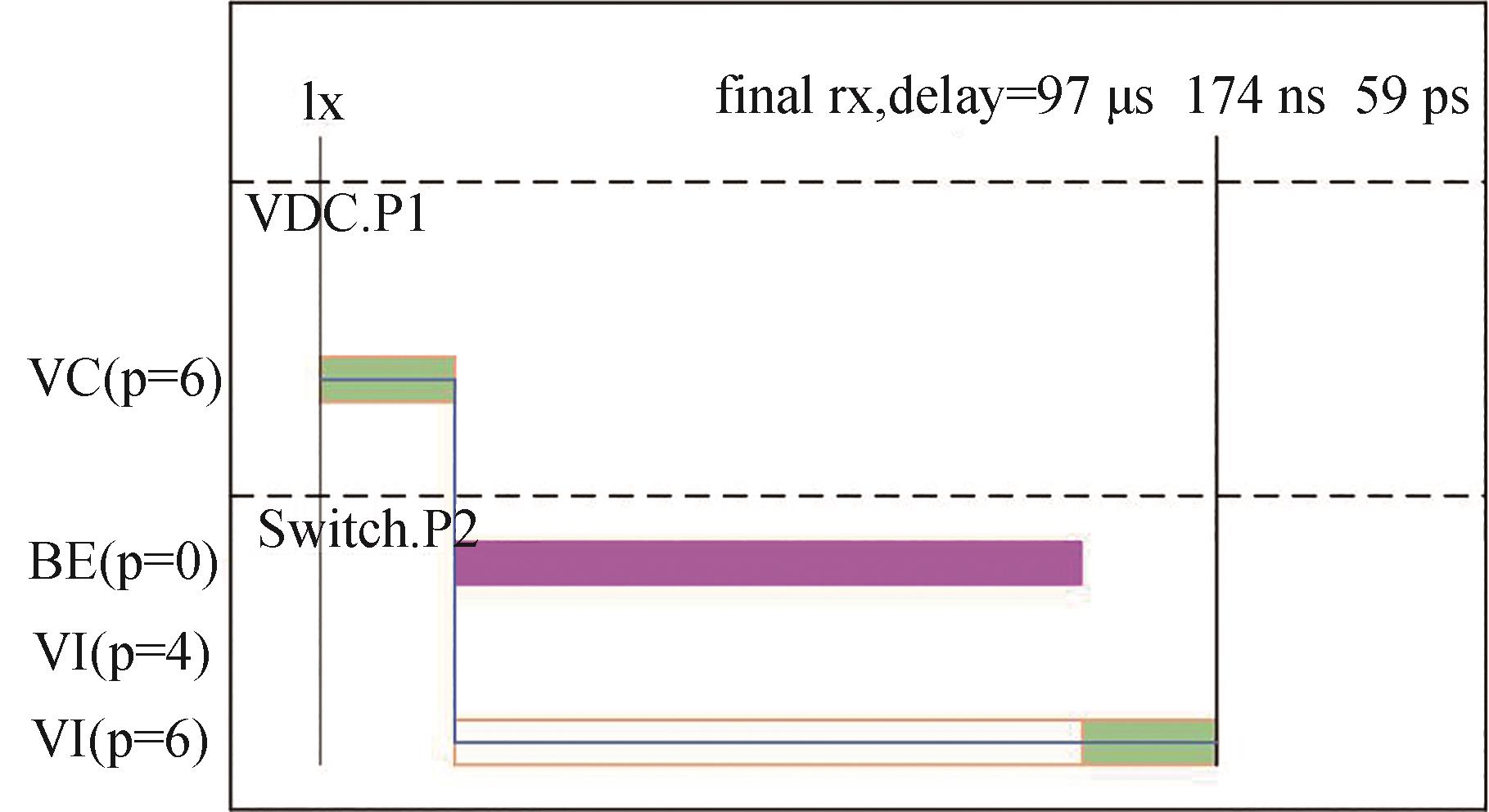
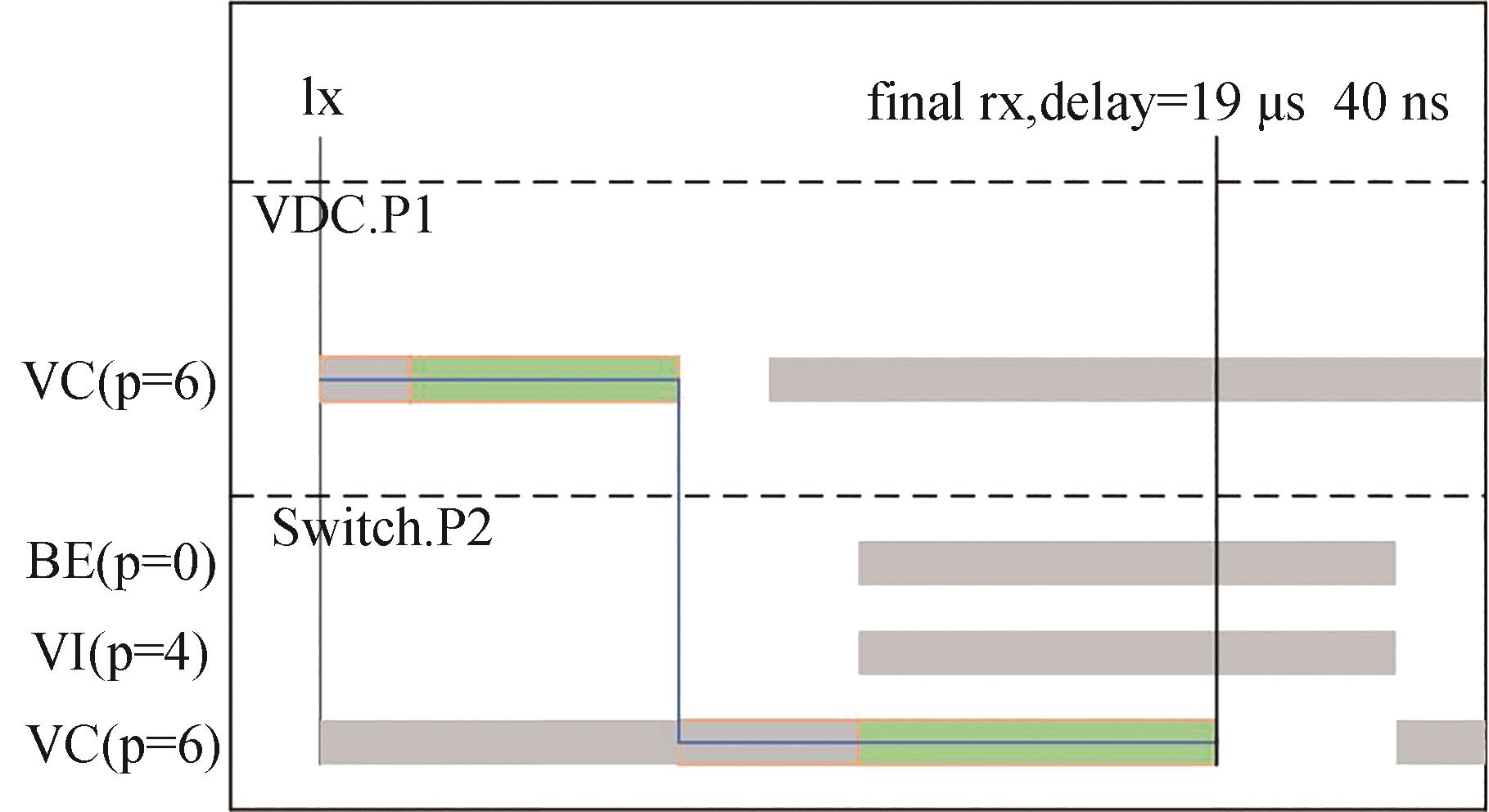
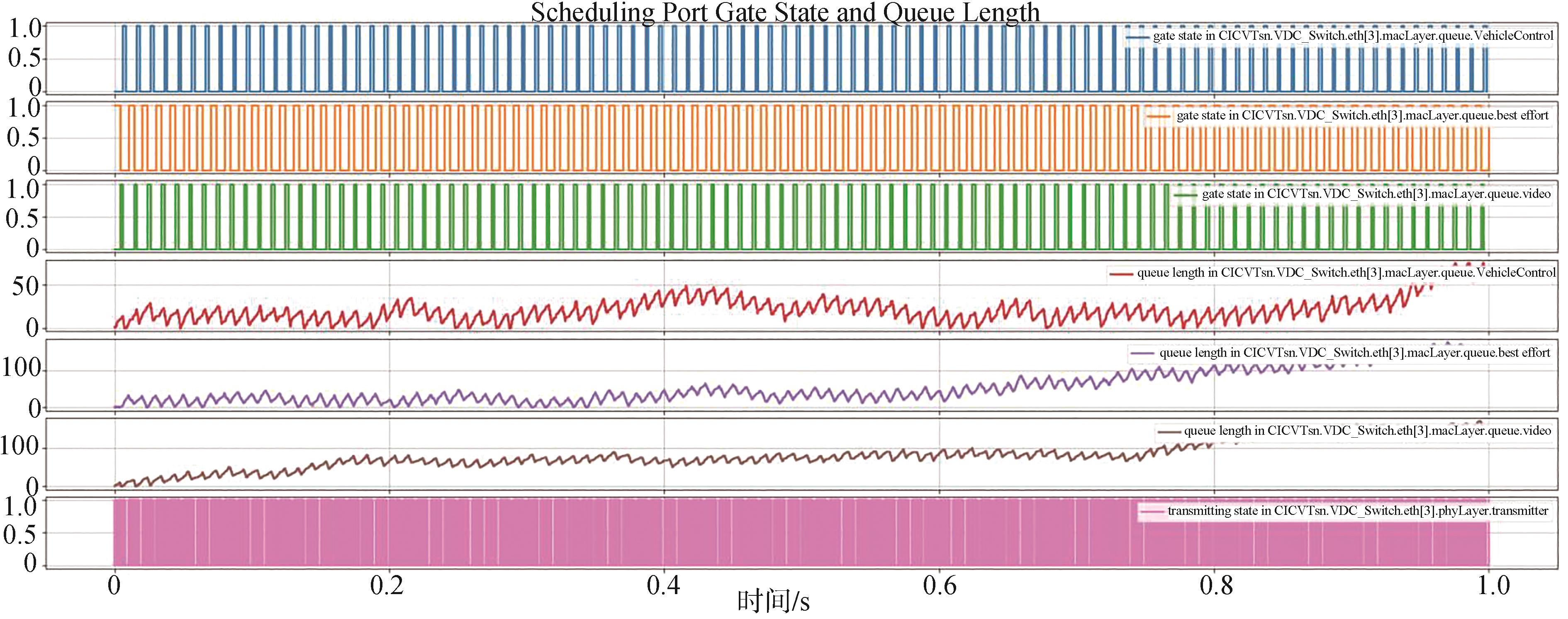
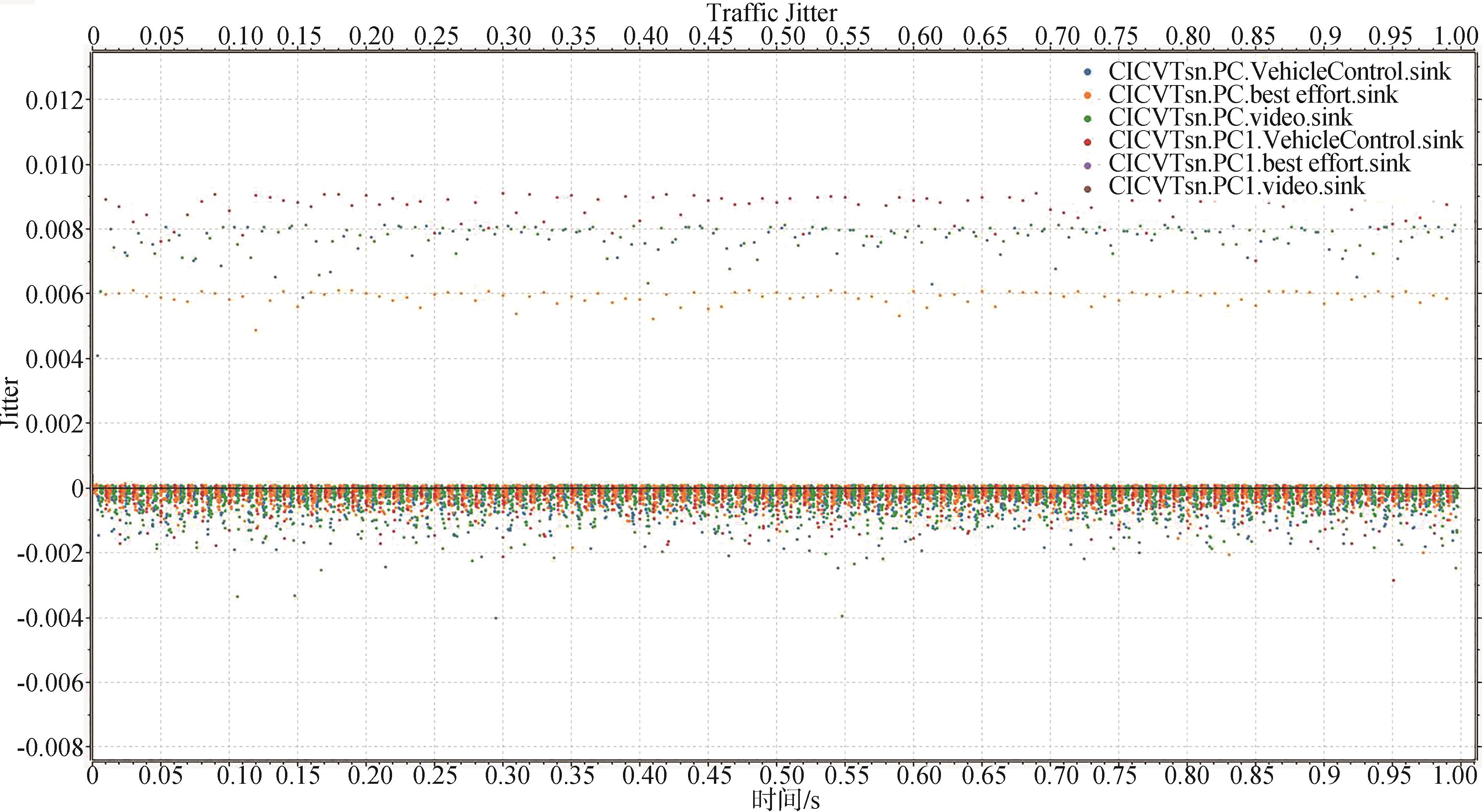
随着汽车行业智能化和网联化的不断推进,整车功能越来越复杂,促使区域电子电气架构逐渐成为主流。在这种复杂的区域架构下,确保数据交互的可靠性、实时性和确定性变得尤为关键。时间敏感网络(time sensitive network,TSN)协议簇因保证在非确定性的以太网中实现确定性的最小时间延时而被广泛关注。为解决传统以太网无法满足的确定性低时延问题,本文引入TSN技术中IEEE802.1Qbv协议定义的时间门调度关键性机制,采用RTaW网络仿真和S32G硬件系统搭建的方式,适配第三代汽车电子电气架构,通过区域控制器+TSN交换机实现分布式流量调度,通过门控列表实现多类型周期性数据的错峰发送与协同调度。仿真结果表明,在时间门调度机制的保障下,车载网络应用中的关键流量的平均端到端延迟降低了17%,抖动降低了99.2%,最大等待延迟提升了86%。

关键词: 车载以太网, 时间敏感网络, Qbv

Abstract:

As the automotive industry continues to advance in intelligence and connectivity, vehicle functions are becoming increasingly complex, driving the regional electronic and electrical architectures becoming the mainstream approach. In such complex regional architectures, ensuring the reliability, real-time performance, and determinism of data interaction is particularly critical. Time-Sensitive Network (TSN) protocol suite has gained significant attention for its ability to achieve deterministic minimal latency in non-deterministic Ethernet environment. To address the inability of traditional Ethernet to meet deterministic low-latency requirements, in this paper the time-aware scheduling mechanism defined by the IEEE 802.1Qbv protocol in TSN (Time-Sensitive Networking) technology is introduced. By employing RTaW network simulation and an S32G hardware system implementation, the solution is adapted to the third-generation automotive electrical/electronic (E/E) architecture. It achieves distributed traffic scheduling through a regional controller + TSN switch design, utilizing gate control lists (GCL) to enable staggered transmission and coordinated scheduling of multiple types of periodic data streams. The simulation results show that, under the time-aware gated scheduling mechanism, the critical flow in the in-vehicle network achieves a 17% reduction in average end-to-end delay, a 99.2% decrease in jitter, and an 86% improvement in maximum waiting delay.

Key words: in-vehicle Ethernet, TSN, Qbv