

汽车工程 ›› 2025, Vol. 47 ›› Issue (6): 1207-1218.doi: 10.19562/j.chinasae.qcgc.2025.06.019
• • 上一篇
金立生1,赵鑫1,谢宪毅1( ),杨浩1,路波2,宋明亮2,郭柏苍1,曹耀光3
收稿日期:2024-10-16
修回日期:2024-12-10
出版日期:2025-06-25
发布日期:2025-06-20
通讯作者:
谢宪毅
E-mail:xiexianyi@ysu.edu.cn
基金资助:
Lisheng Jin1,Xin Zhao1,Xianyi Xie1(),Hao Yang1,Bo Lu2,Mingliang Song2,Baicang Guo1,Yaoguang Cao3
Received:2024-10-16
Revised:2024-12-10
Online:2025-06-25
Published:2025-06-20
Contact:
Xianyi Xie
E-mail:xiexianyi@ysu.edu.cn
摘要:
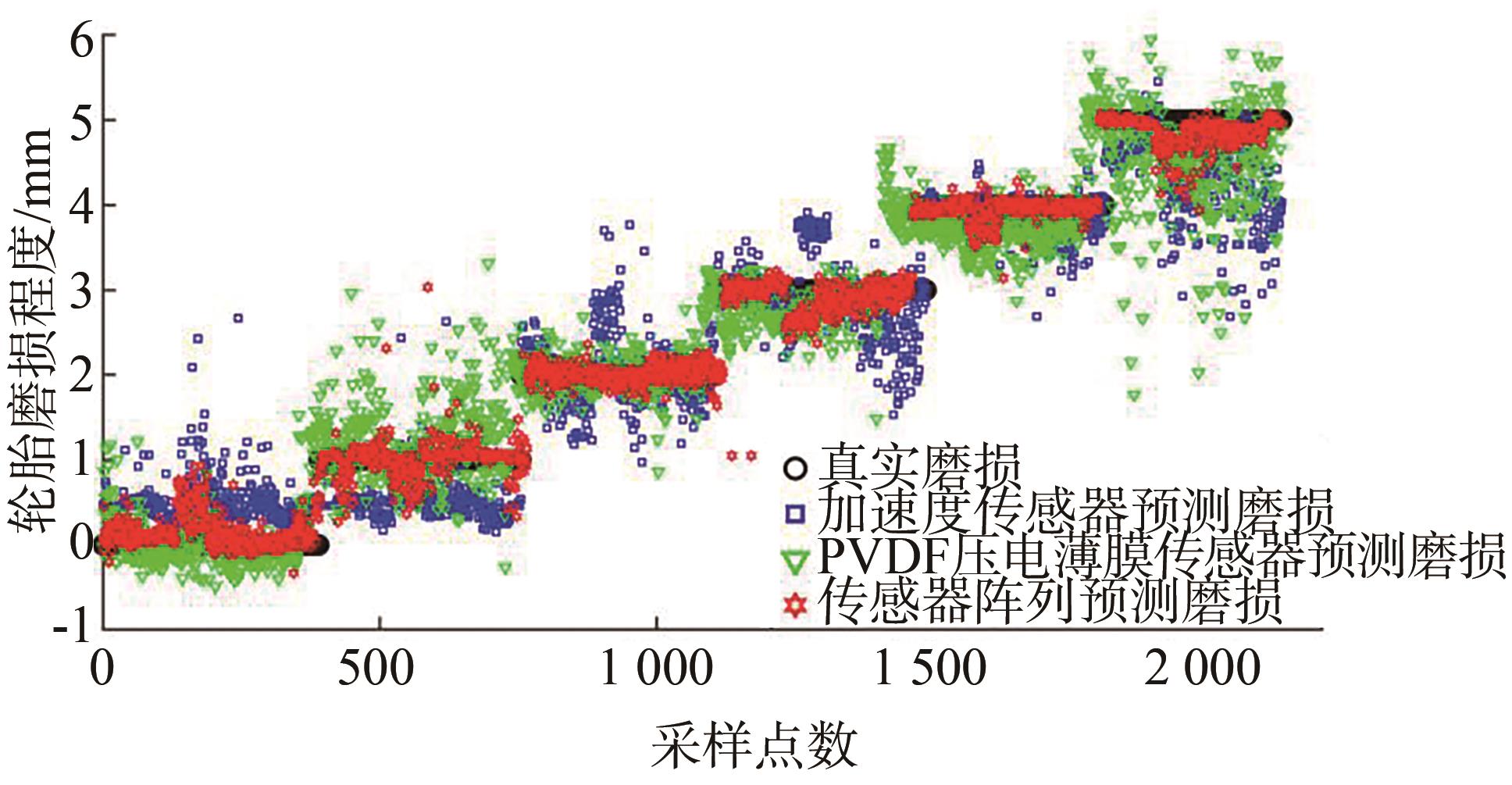
为充分利用智能轮胎内嵌集成传感器阵列能够采集轮胎-地面接触状态多模态信息的优势,并用以提升轮胎磨损检测精度,本文提出一种基于轮胎内嵌传感器阵列感知信息的智能轮胎磨损检测方法。首先,构建了由加速度传感器与PVDF压电薄膜传感器组成的传感器阵列,设计智能轮胎嵌入式阵列数据采集系统,采集不同磨损程度轮胎在多种工况下的传感器阵列数据。其次,对传感器阵列波形数据进行Butterworth滤波并提取其多维时域特征。分析车辆行驶工况变化时传感器阵列数据的时域特征变化规律,发现车速与载荷变化时加速度传感器与PVDF压电薄膜传感器的时域特征(长度特征、面积特征)变化特性具有显著差异。最后,建立了融合两种传感器时域特征信息的联合特征集,并构建了轮胎磨损检测机器学习模型。测试结果表明基于传感器阵列的轮胎磨损检测平均绝对误差为0.13 mm,相较于仅使用加速度传感器和仅使用PVDF压电薄膜传感器分别下降了67.67%和56.81%。在磨损误差0.3 mm内,传感器阵列的轮胎磨损检测准确率达到88.81%;在磨损误差0.5 mm内,传感器阵列的轮胎磨损检测准确率达到96.42%。证明了基于传感器阵列的智能轮胎磨损检测机器学习模型的有效性与准确性。
金立生,赵鑫,谢宪毅,杨浩,路波,宋明亮,郭柏苍,曹耀光. 基于轮胎内嵌传感器阵列的智能轮胎磨损检测方法[J]. 汽车工程, 2025, 47(6): 1207-1218.
Lisheng Jin,Xin Zhao,Xianyi Xie,Hao Yang,Bo Lu,Mingliang Song,Baicang Guo,Yaoguang Cao. Intelligent Tire Wear Detection Method Based on an Embedded Sensor Array Within the Tire[J]. Automotive Engineering, 2025, 47(6): 1207-1218.
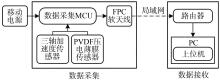
图1
智能轮胎硬件系统架构"
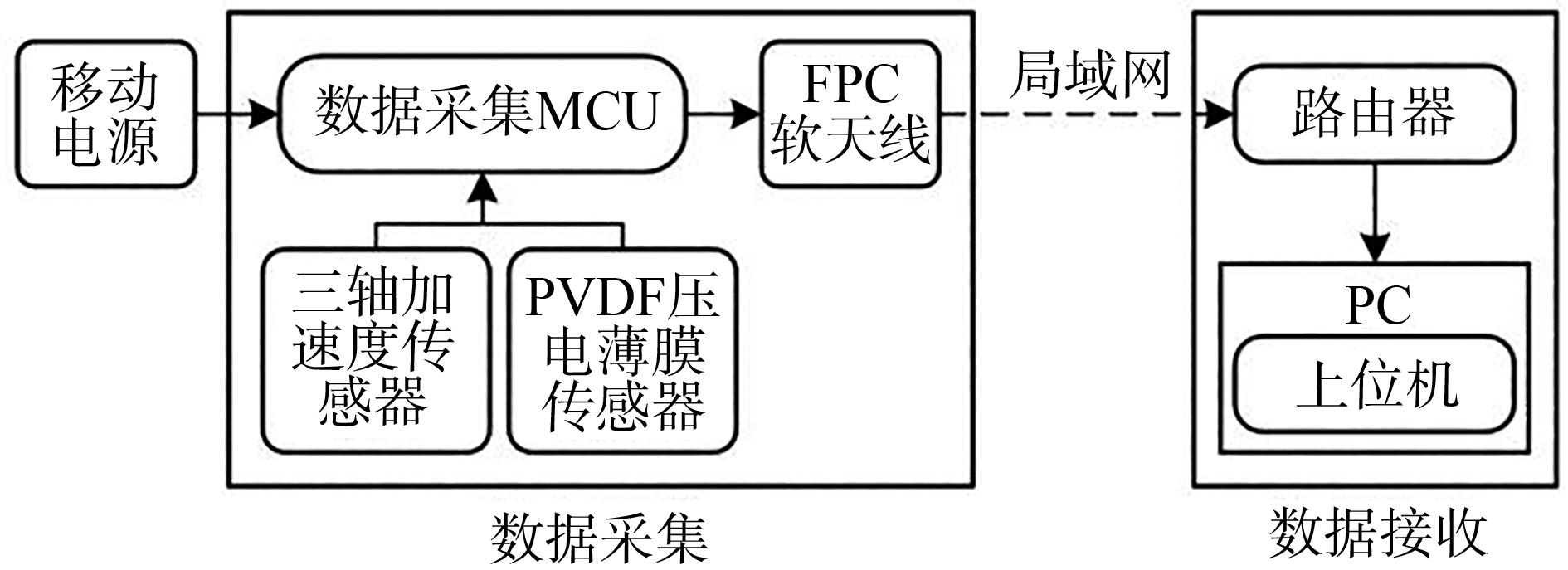
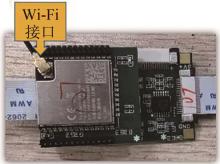
图2
数据采集MCU"
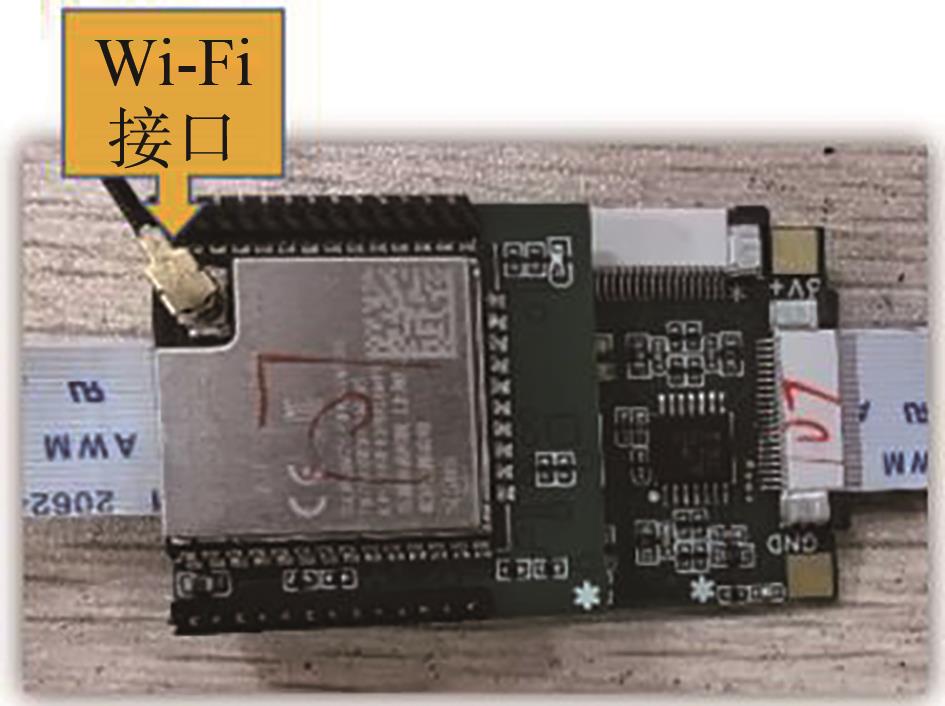
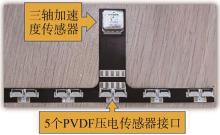
图3
传感器阵列接口"
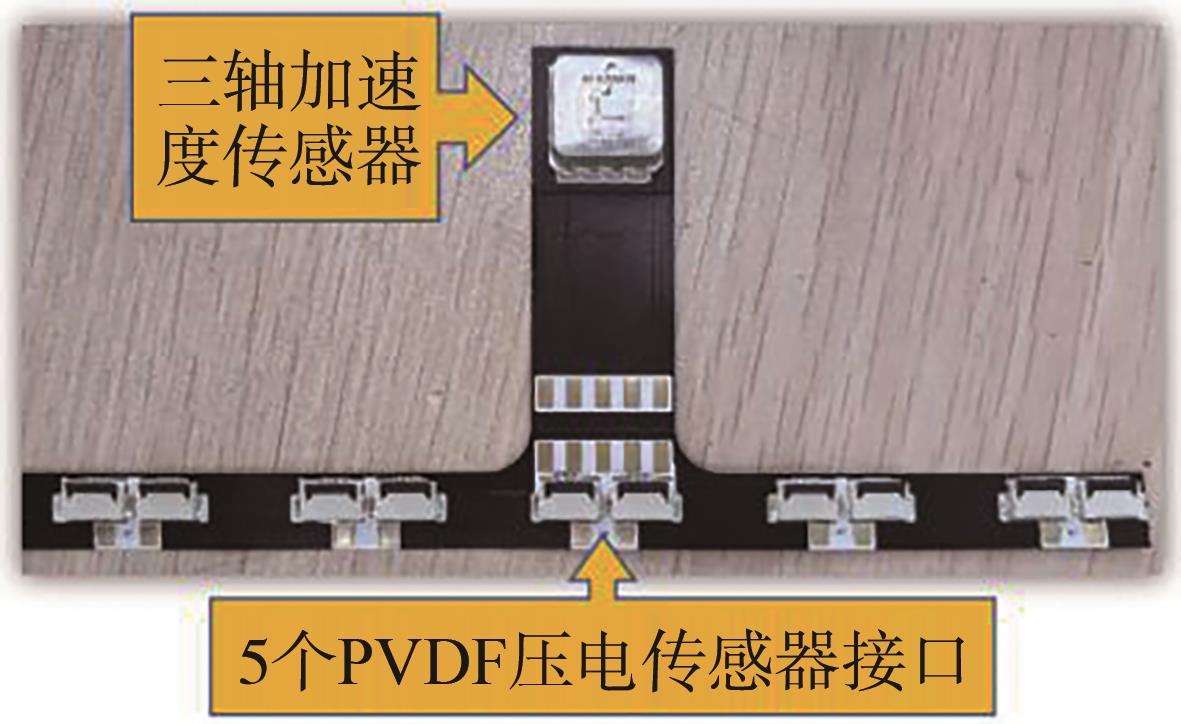
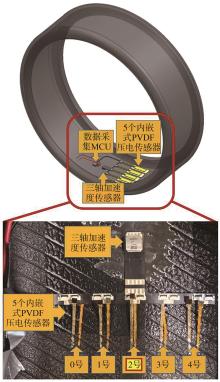
图4
传感器阵列布置图"

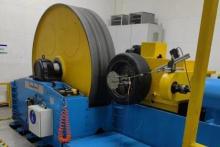
图5
轮胎滚动阻力试验机"
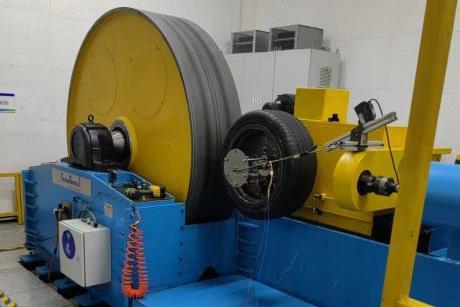
表1
试验工况"
| 工况 | 范围 |
|---|---|
| 轮胎花纹磨损程度/mm | 0/1/2/3/4/5 |
| 车速/(km·h-1) | 20/40/60 |
| 载荷/kN | 4/5/6 |
| 胎压/bar | 2.3/2.5/2.7 |
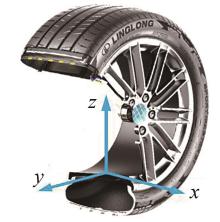
图6
加速度传感器三轴方向"
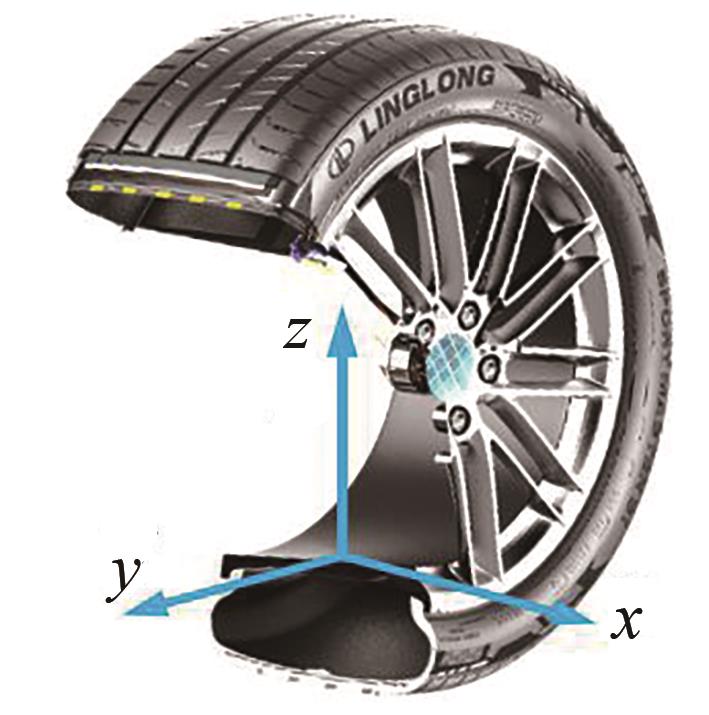
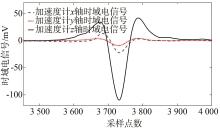
图7
加速度传感器时域信号"
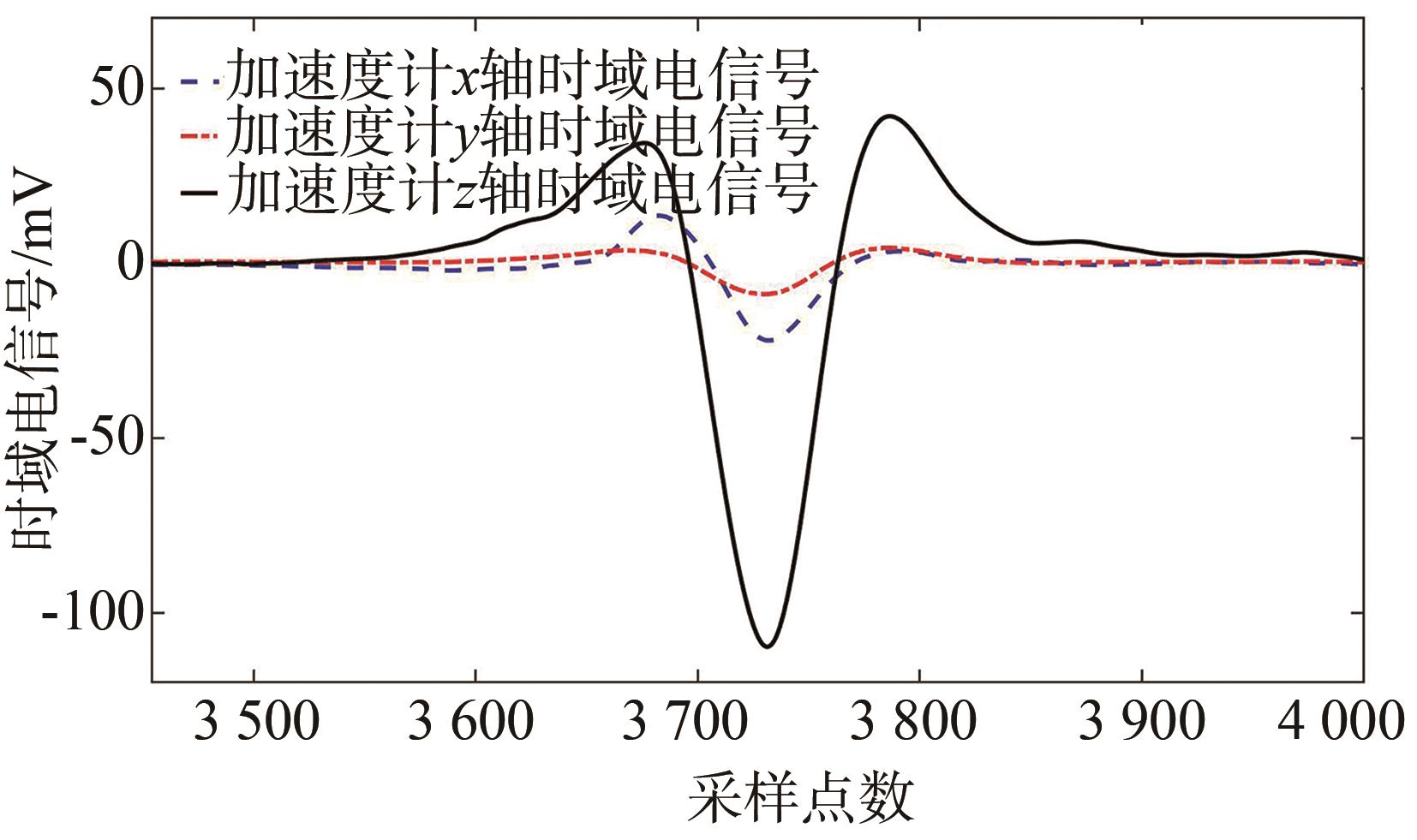
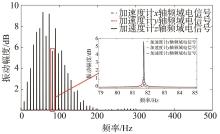
图8
加速度传感器频域信号"
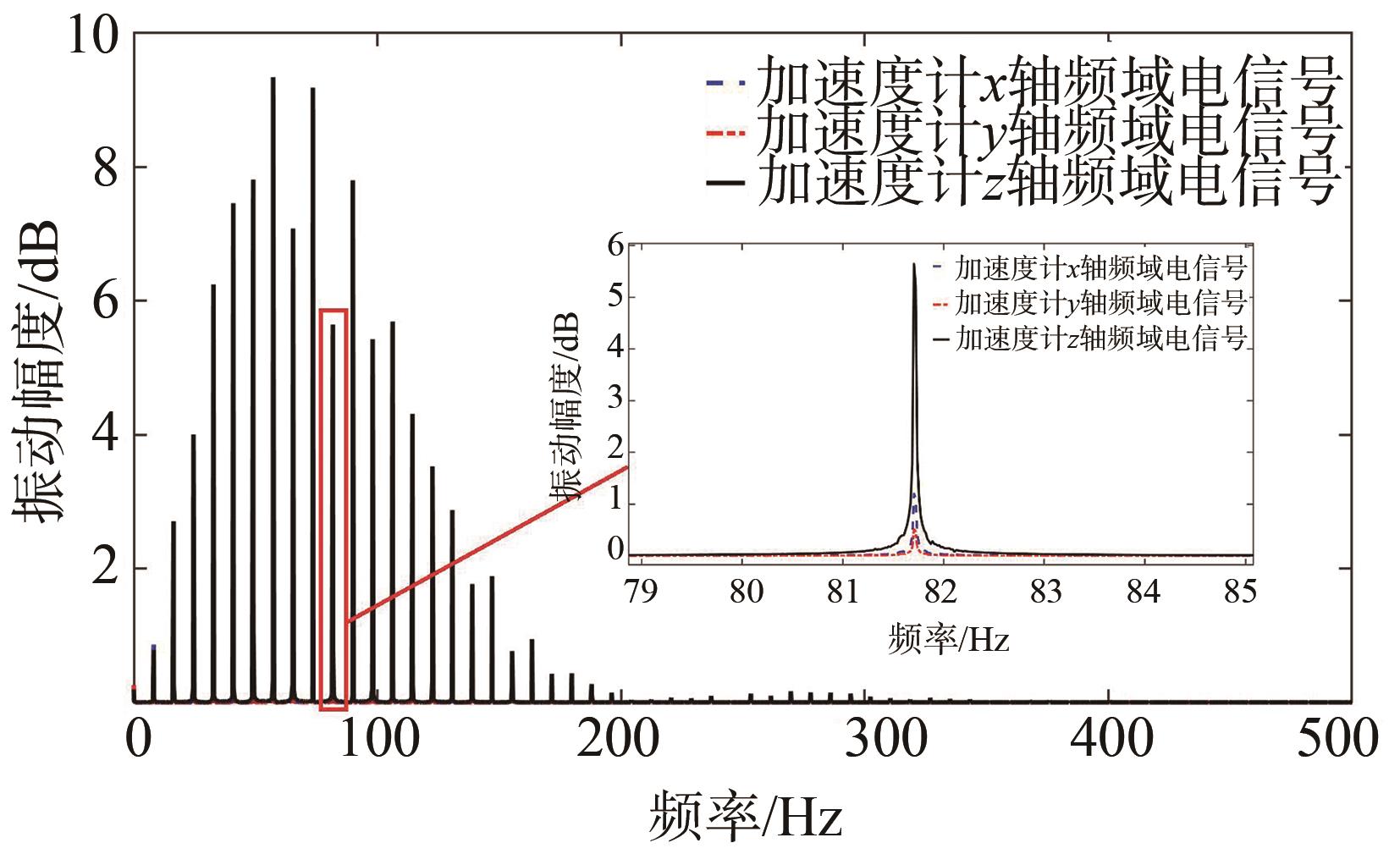
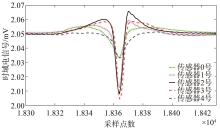
图9
5个PVDF压电薄膜传感器时域信号"
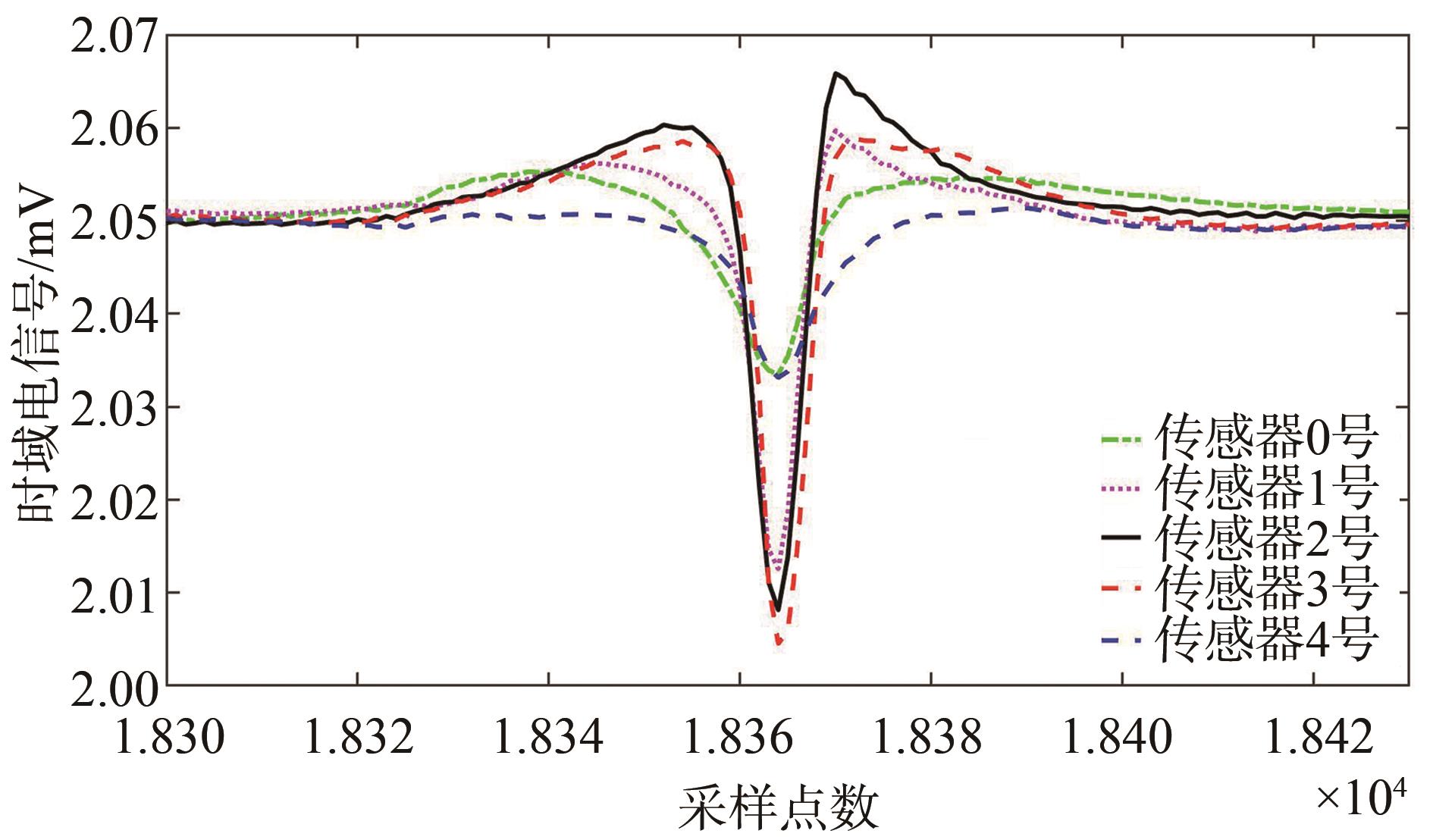
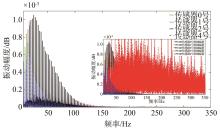
图10
5个PVDF压电薄膜传感器频域信号"
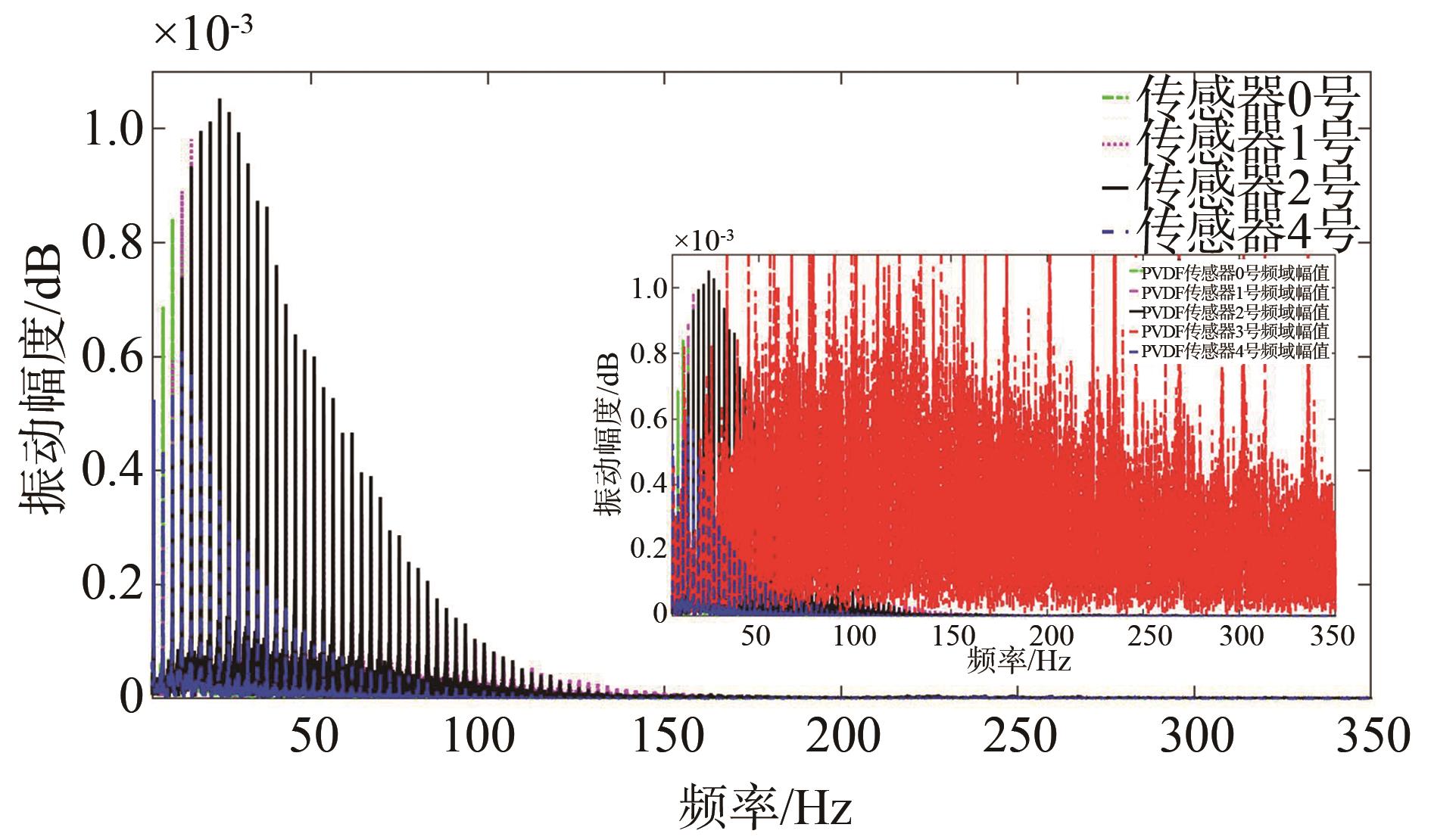
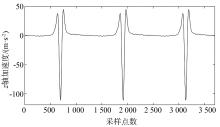
图11
Butterworth滤波后的z轴加速度波形"
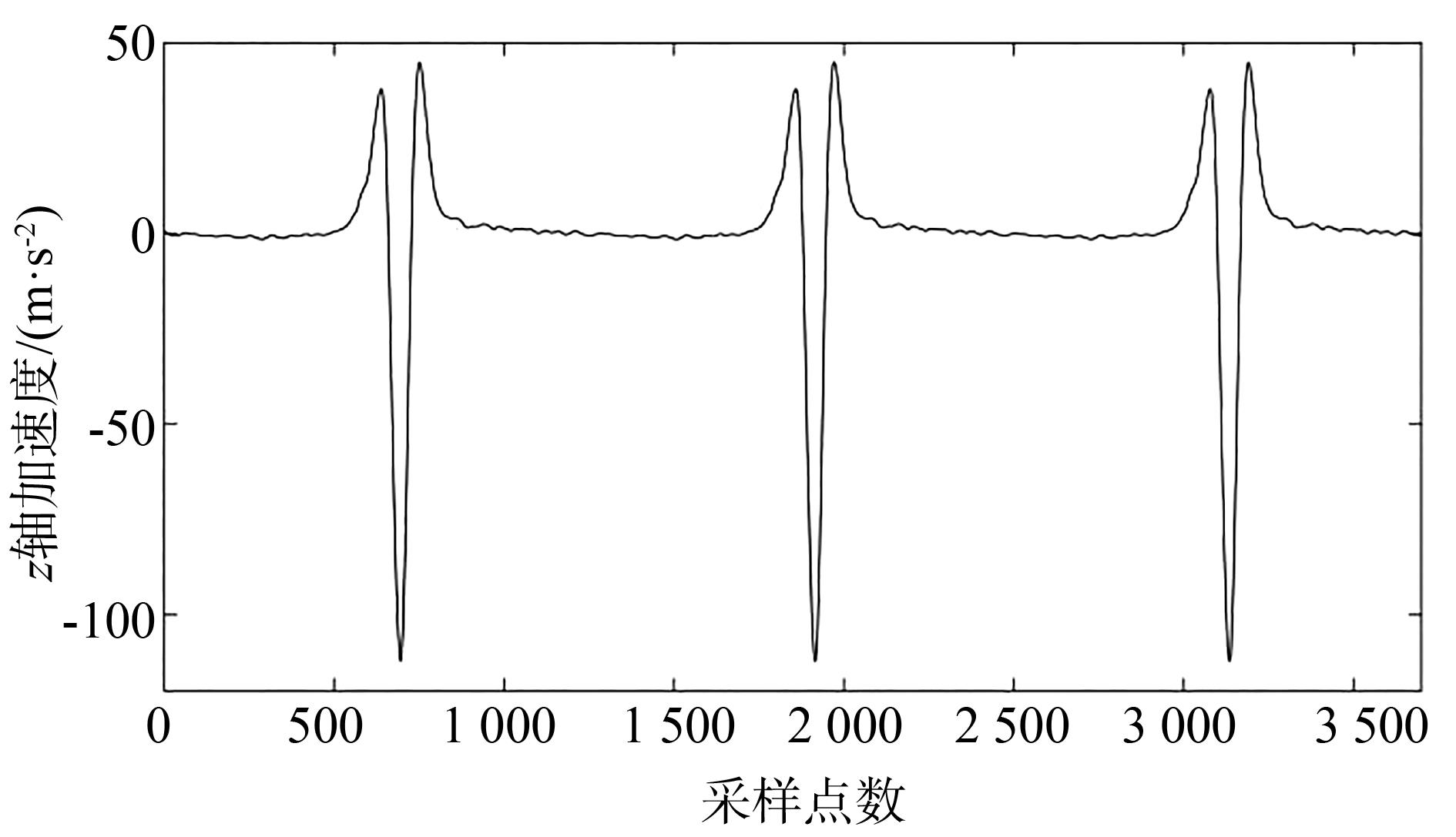
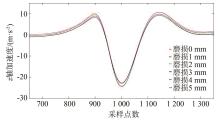
图12
不同磨损程度轮胎的z轴加速度波形"
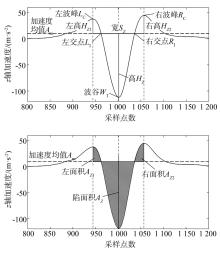
图13
z轴加速度波形的长度特征与面积特征"
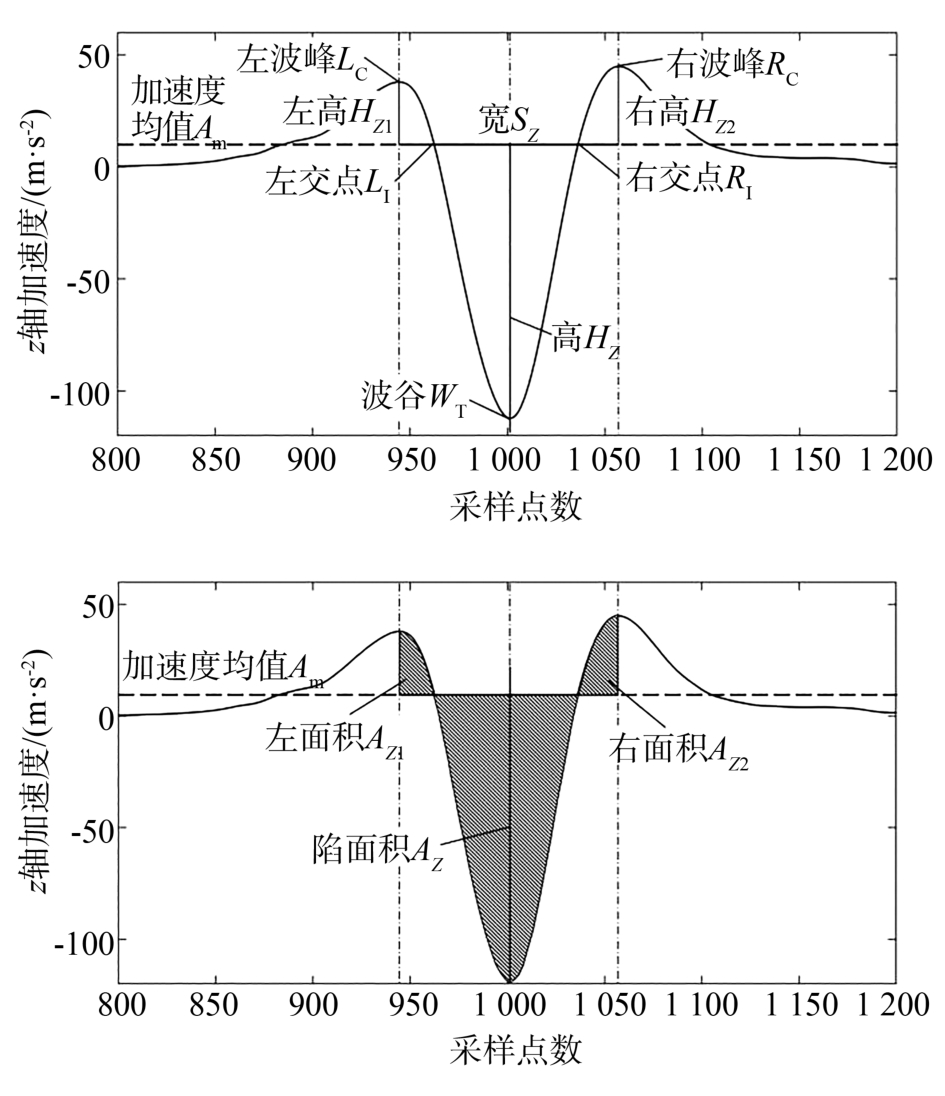
表2
特征参数表"
| 类型 | 符号 | 表达 |
|---|---|---|
| 长度特征 | HZ1 | |
| 长度特征 | HZ2 | |
| 长度特征 | SZ | |
| 长度特征 | HZ | |
| 面积特征 | AZ1 | |
| 面积特征 | AZ2 | |
| 面积特征 | AZ |
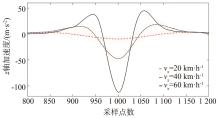
图14
不同车速下的z轴加速度波形"
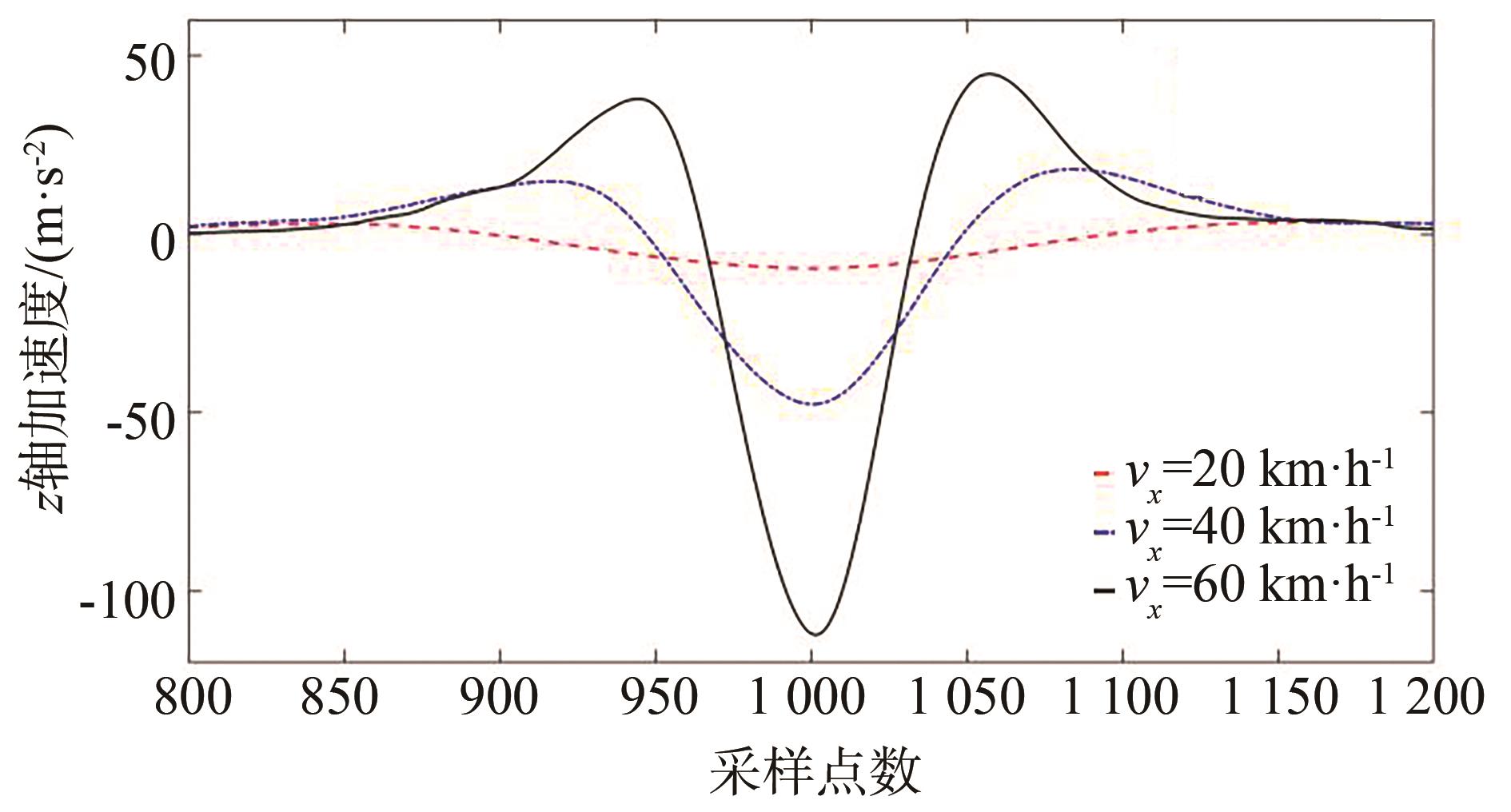
表3
不同车速下的z轴加速度特征参数变化"
| 速度/(km·h-1) | 20 | 40 | 60 |
|---|---|---|---|
| HZ1 | 2.880 | 14.809 | 38.164 |
| HZ2 | 3.422 | 18.269 | 45.108 |
| SZ | 318 | 167 | 113 |
| HZ | 9.630 | 47.748 | 112.356 |
| AZ1 | 97.993 | 311.674 | 580.975 |
| AZ2 | 597.458 | 1 585.483 | 2 480.233 |
| AZ | 1 145.998 | 2 958.727 | 4 745.111 |
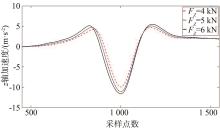
图15
不同载荷下的z轴加速度波形"
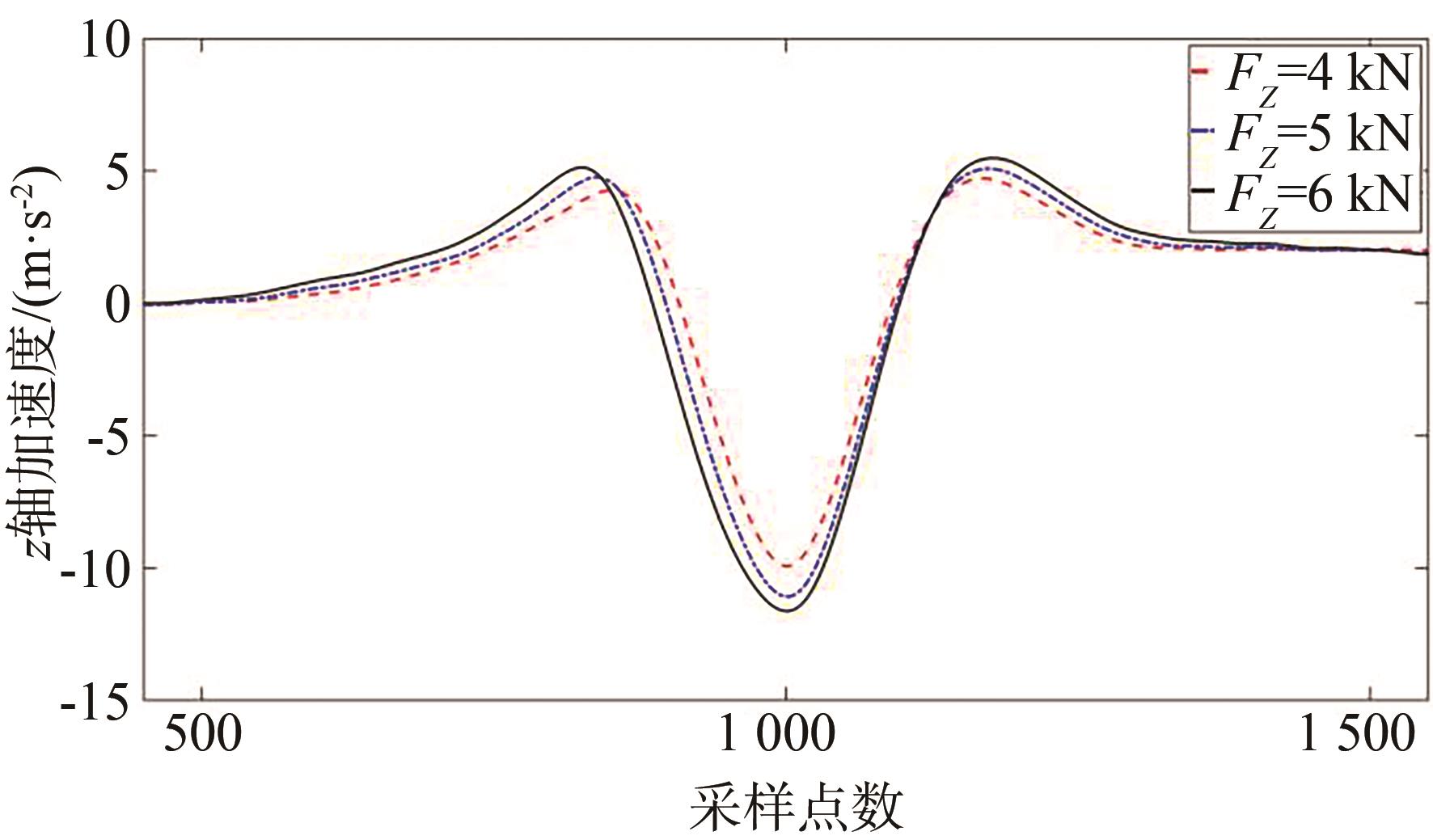
表4
不同载荷下的z轴加速度特征参数变化"
| 载荷/kN | 4 | 5 | 6 |
|---|---|---|---|
| HZ1 | 3.648 | 4.094 | 4.235 |
| HZ2 | 4.080 | 4.512 | 4.635 |
| SZ | 318 | 334 | 356 |
| HZ | 10.520 | 11.534 | 11.714 |
| AZ1 | 130.364 | 151.305 | 160.366 |
| AZ2 | 618.168 | 756.688 | 906.023 |
| AZ | 1 206.742 | 1 436.353 | 1 627.966 |
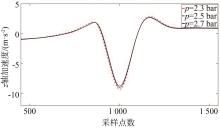
图16
不同胎压下的z轴加速度波形"
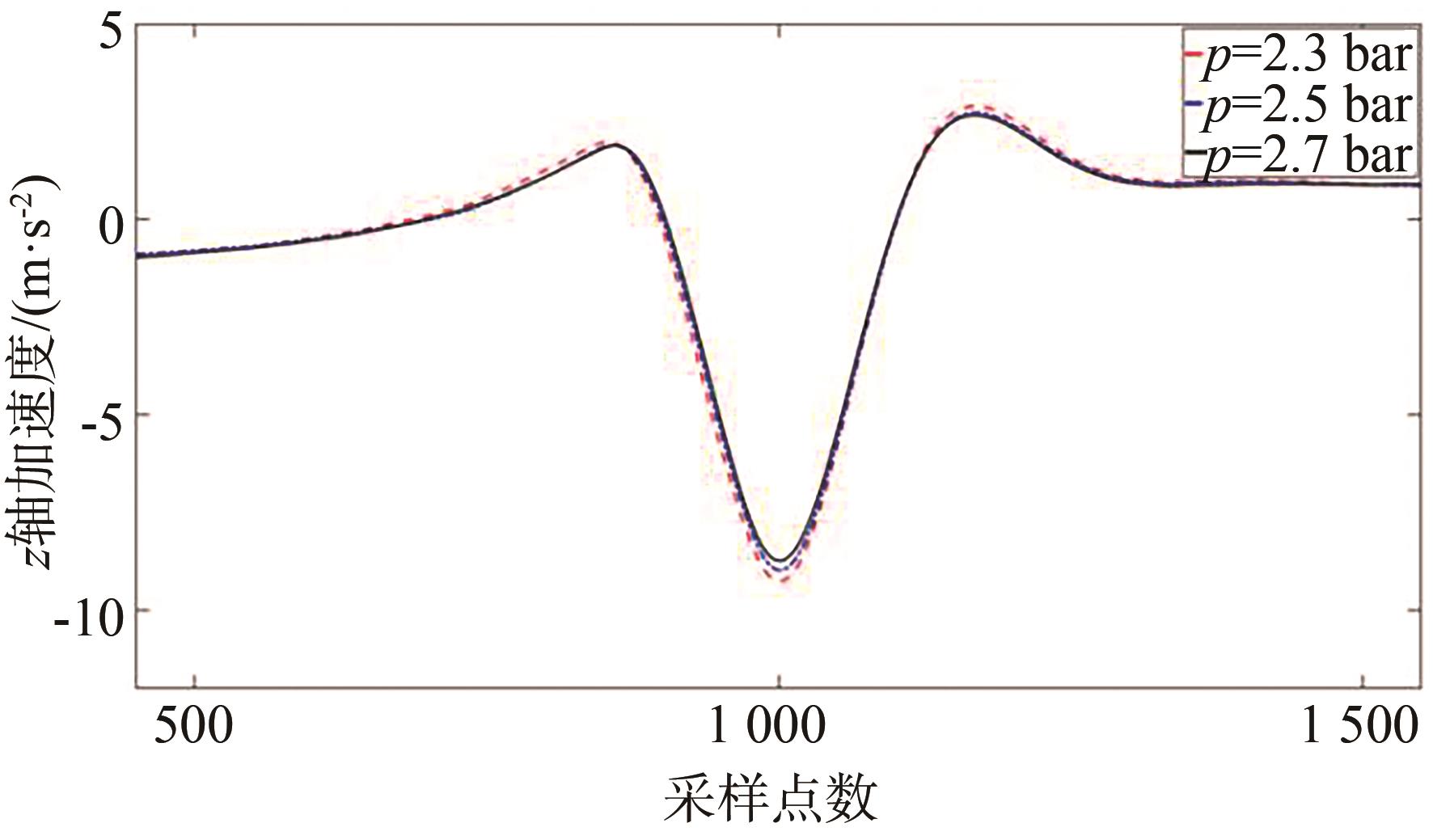
表5
不同胎压下的z轴加速度特征参数变化"
| 胎压/bar | 2.3 | 2.5 | 2.7 |
|---|---|---|---|
| HZ1 | 2.357 | 2.214 | 2.125 |
| HZ2 | 3.180 | 3.009 | 2.898 |
| SZ | 314 | 313 | 307 |
| HZ | 8.845 | 8.718 | 8.453 |
| AZ1 | 77.299 | 71.050 | 66.200 |
| AZ2 | 518.592 | 496.864 | 467.449 |
| AZ | 1 020.595 | 997.187 | 948.706 |
表6
不同工况变化下的z轴加速度特征参数变化"
| 工况 | 车速 | 载荷 | 胎压 |
|---|---|---|---|
| HZ1 | ↑↑↑↑ | ↑↑ | ↓ |
| HZ2 | ↑↑↑↑ | ↑↑ | ↓ |
| SZ | ↓↓↓ | ↑↑ | ↓ |
| HZ | ↑↑↑↑ | ↑↑ | ↓ |
| AZ1 | ↑↑↑↑ | ↑↑ | ↓↓ |
| AZ2 | ↑↑↑↑ | ↑↑ | ↓ |
| AZ | ↑↑↑↑ | ↑↑ | ↓ |
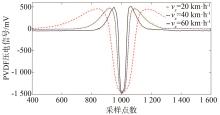
图17
不同车速下的PVDF压电薄膜波形"
表7
不同车速下的PVDF压电薄膜特征参数变化"
| 速度/(km·h-1) | 20 | 40 | 60 |
|---|---|---|---|
| HZ1 | 441.551 | 459.966 | 482.228 |
| HZ2 | 558.606 | 583.954 | 620.658 |
| SZ | 362 | 184 | 123 |
| HZ | 1 355.772 | 1 418.732 | 1 396.541 |
| AZ1 | 24 759.970 | 13 340.559 | 9 359.872 |
| AZ2 | 88 592.821 | 47 701.338 | 31 174.607 |
| AZ | 170 935.799 | 92 236.902 | 61 026.540 |
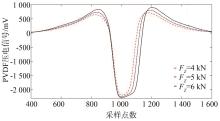
图18
不同载荷下的PVDF压电薄膜波形"
表8
不同载荷下的PVDF压电薄膜特征参数变化"
| 载荷/kN | 4 | 5 | 6 |
|---|---|---|---|
| HZ1 | 621.462 | 709.260 | 785.909 |
| HZ2 | 847.733 | 971.042 | 1 060.970 |
| SZ | 377 | 386 | 403 |
| HZ | 2 066.289 | 2 239.152 | 2 357.636 |
| AZ1 | 39 783.561 | 42 054.107 | 45 546.640 |
| AZ2 | 137 345.932 | 163 150.427 | 190 423.241 |
| AZ | 264 434.755 | 309 844.789 | 360 638.633 |
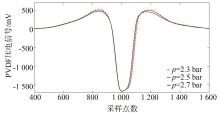
图19
不同胎压下的PVDF压电薄膜波形"
表9
不同胎压下的PVDF压电薄膜特征参数变化"
| 胎压/bar | 2.3 | 2.5 | 2.7 |
|---|---|---|---|
| HZ1 | 499.839 | 474.681 | 449.944 |
| HZ2 | 650.484 | 631.369 | 598.343 |
| SZ | 362 | 361 | 357 |
| HZ | 1 558.841 | 1 520.906 | 1 475.908 |
| AZ1 | 29 376.038 | 28 401.918 | 27 327.799 |
| AZ2 | 99 316.974 | 95 794.804 | 89 684.084 |
| AZ | 192 478.747 | 184 705.444 | 175 152.252 |
表10
不同工况变化下的PVDF压电薄膜特征参数变化"
| 工况 | 车速 | 载荷 | 胎压 |
|---|---|---|---|
| HZ1 | ↑ | ↑↑ | ↓ |
| HZ2 | ↑↑ | ↑↑ | ↓ |
| SZ | ↓↓↓ | ↑ | ↓ |
| HZ | ↑ | ↑↑ | ↓ |
| AZ1 | ↑↑↑ | ↑↑ | ↓ |
| AZ2 | ↑↑↑ | ↑↑ | ↓ |
| AZ | ↑↑↑ | ↑↑ | ↓ |
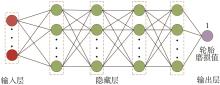
图20
BP神经网络结构"
图21
不同学习率的加速度传感器模型训练测试结果"
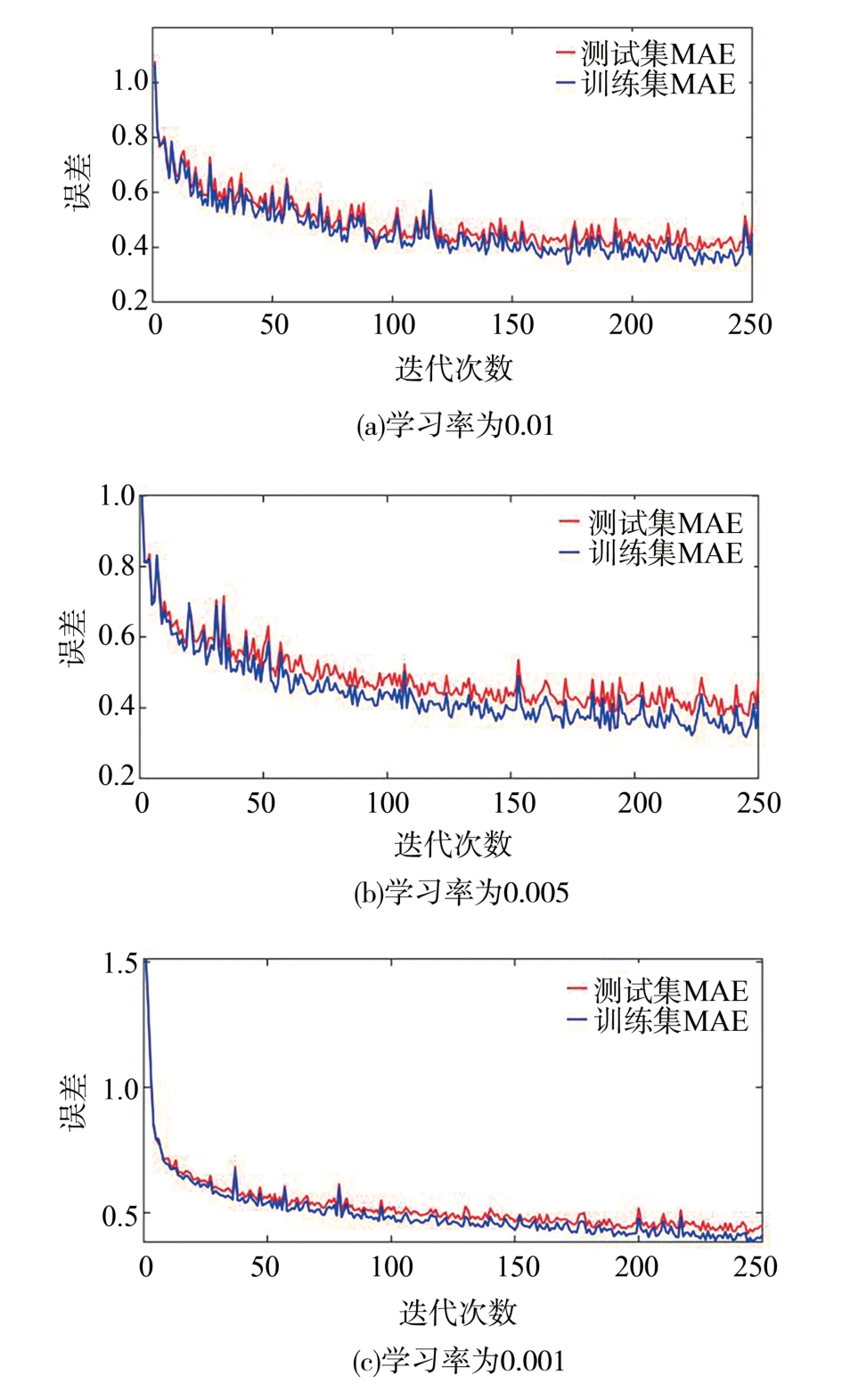
表11
加速度传感器平均检测误差"
| 学习率 | 数据集 | MAE/mm |
|---|---|---|
| 0.01 | 测试集 | 0.413 |
| 训练集 | 0.363 | |
| 0.005 | 测试集 | 0.402 |
| 训练集 | 0.348 | |
| 0.001 | 测试集 | 0.438 |
| 训练集 | 0.404 |
图22
不同学习率的PVDF压电薄膜传感器模型训练测试结果"
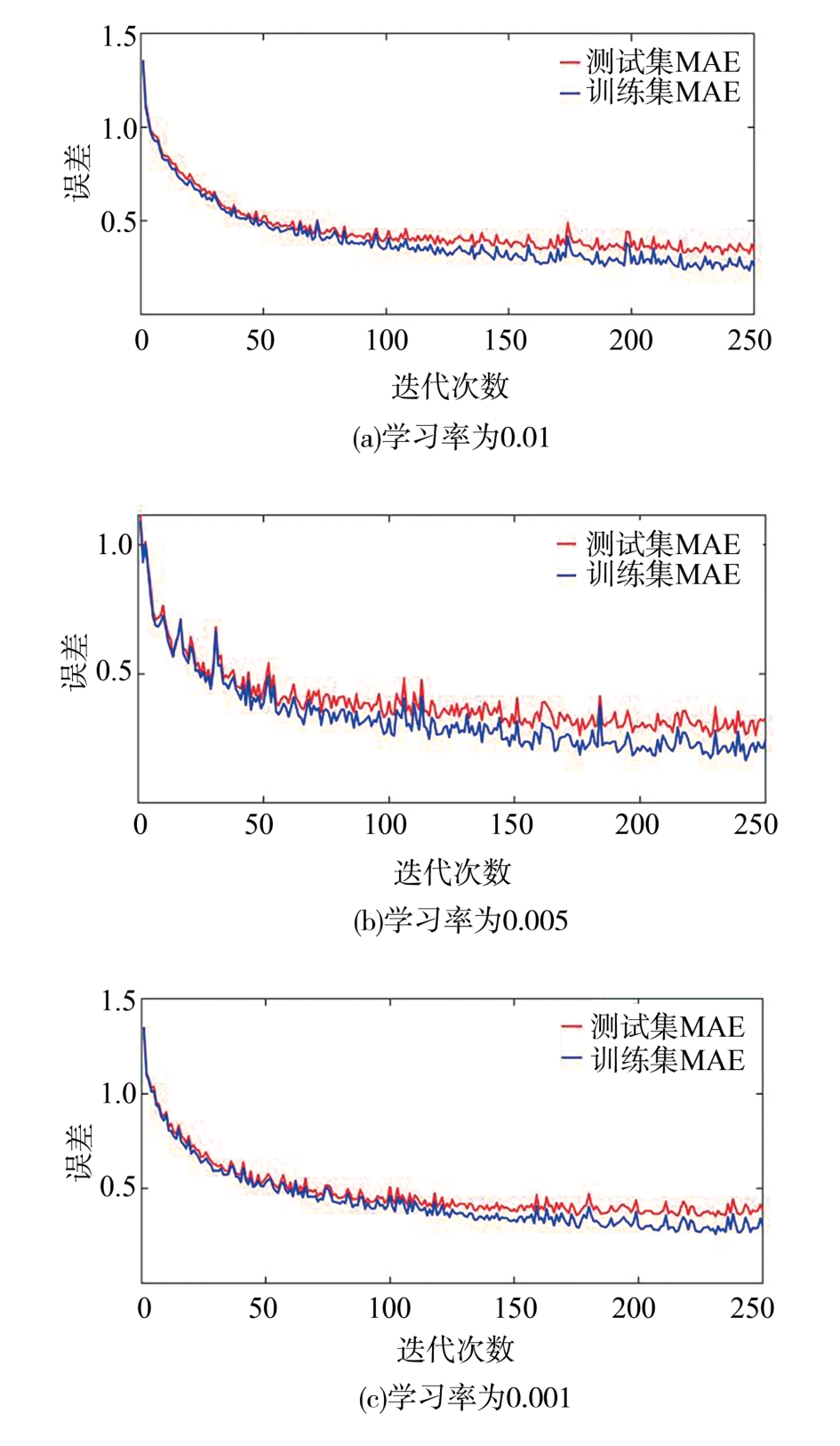
表12
PVDF压电薄膜传感器平均检测误差"
| 学习率 | 数据集 | MAE/mm |
|---|---|---|
| 0.01 | 测试集 | 0.352 |
| 训练集 | 0.267 | |
| 0.005 | 测试集 | 0.301 |
| 训练集 | 0.212 | |
| 0.001 | 测试集 | 0.382 |
| 训练集 | 0.297 |
图23
不同学习率的传感器阵列模型训练测试结果"
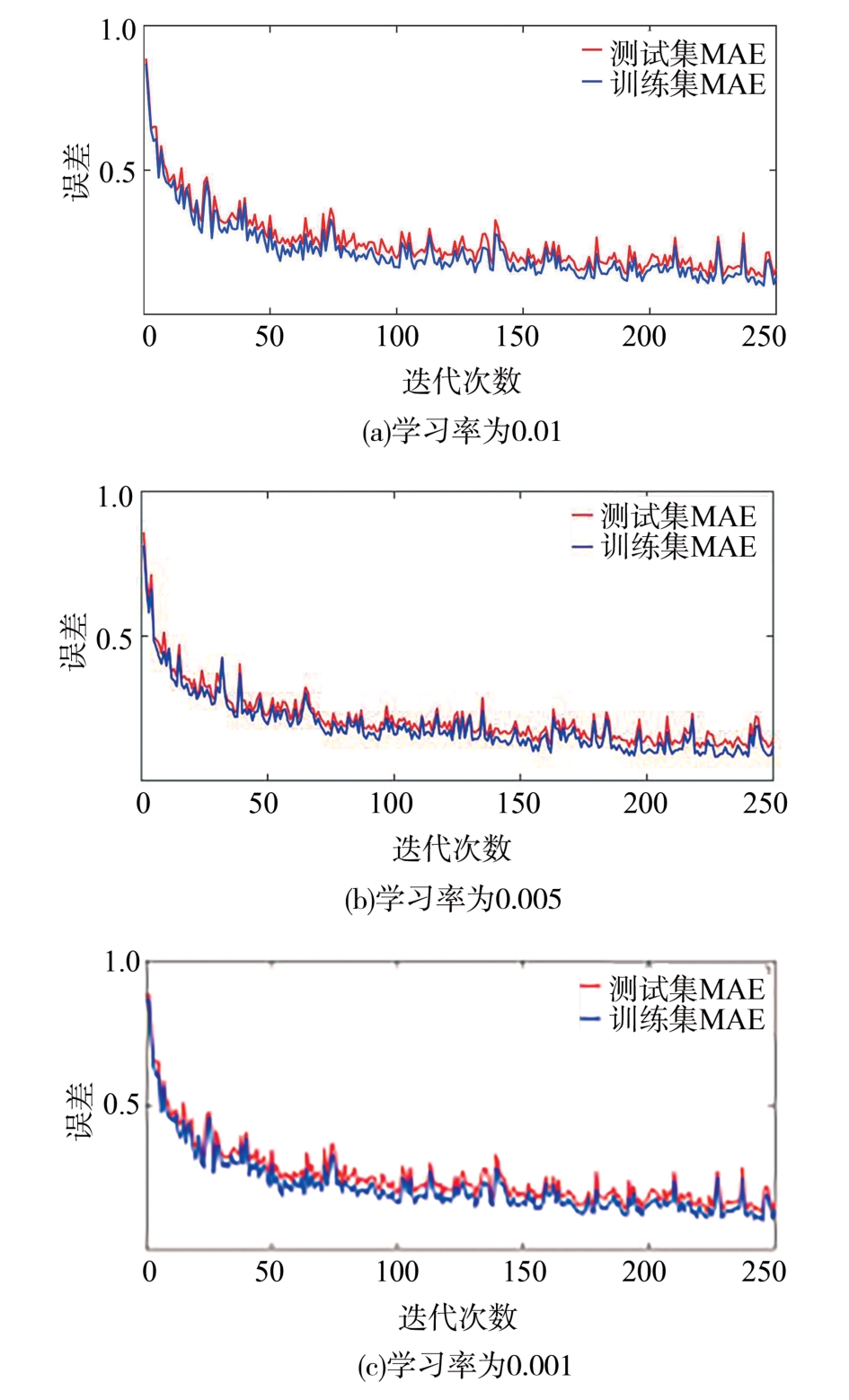
表13
传感器阵列平均检测误差"
| 学习率 | 数据集 | MAE/mm |
|---|---|---|
| 0.01 | 测试集 | 0.172 |
| 训练集 | 0.143 | |
| 0.005 | 测试集 | 0.130 |
| 训练集 | 0.098 | |
| 0.001 | 测试集 | 0.181 |
| 训练集 | 0.134 |
图24
不同传感器轮胎磨损预测结果"
| 1 | LIU H, DENG W, ZONG C, et al. Development of active control strategy for flat tire vehicles[C]. SAE Paper 2014-01-0859. |
| 2 | WANG F, CHEN H, CAO D. Nonlinear coordinated motion control of road vehicles after a tire blowout[J]. IEEE Transactions on Control Systems Technology, 2015, 24(3): 956-970. |
| 3 | ASKARI H, HASHEMI E, KHAJEPOUR A, et al. Tire condition monitoring and intelligent tires using nanogenerators based on piezoelectric, electromagnetic, and triboelectric effects[J]. Advanced Materials Technologies, 2019, 4(1): 1800105. |
| 4 | TJIU W, AHANCHIAN A, MAJLIS B Y. Development of tire condition monitoring system (TCMS) based on MEMS sensors[C].2004 IEEE International Conference on Semiconductor Electronics. IEEE, 2004. |
| 5 | TONG G, WANG Q, YANG K, et al. An experiment investigation to the radial tire noise[J]. Advanced Materials Research, 2013, 694: 361-365. |
| 6 | 庞博维, 崔敏, 杨琨, 等. 轮胎胎面磨损检测技术研究进展[J].无损检测,2021,43(7):83-89,94. |
| PANG B W, CUI M, YANG K, et al. Research progress of tire tread wear detection technology [J]. Non-destructive Testing, 2021, 43(7): 83-89,94. | |
| 7 | HORNE W B, LELAND T J. Influence of the tire tread pattern and runway surface condition on breaking friction and rolling resistance of a modern aircraft tire [M]. National Aeronautics and Space Administration, 1962. |
| 8 | 王国林,王晨,张建,等.基于有限元分析的轮胎磨损性能优化[J].汽车工程,2009,31(9):867-870. |
| WANG G L, WANG C, ZHANG J, et al. Tire wear performance optimization based on finite element analysis [J]. Automotive Engineering,2009,31(9):867-870. | |
| 9 | WU J, ZHANG C, WANG Y, et al. Wear predicted model of tread rubber based on experimental and numerical method[J]. Experimental Techniques, 2018, 42: 191-198. |
| 10 | PARK H J, LEE Y W, KIM B G. Efficient tire wear and defect detection algorithm based on deep learning[J]. Journal of Korea Multimedia Society, 2021, 24(8): 1026-1034. |
| 11 | MIN Y, XIAO B, DANG J, et al. Real time detection system for rail surface defects based on machine vision[J]. EURASIP Journal on Image and Video Processing, 2018, 2018(1): 1-11. |
| 12 | CHANG W H, JUANG R T, HUANG M H, et al. Estimation of tire mileage and wear using measurement data[J]. Electronics, 2021, 10(20): 2531. |
| 13 | LI B, QUAN Z, BEI S, et al. An estimation algorithm for tire wear using intelligent tire concept[J]. Proceedings of the Institution of Mechanical Engineers, Part D: Journal of Automobile Engineering, 2021, 235(10-11): 2712-2725. |
| 14 | POHL A, STEINDL R, REINDL L. The" intelligent tire" utilizing passive SAW sensors measurement of tire friction[J]. IEEE Transactions on Instrumentation and Measurement, 1999, 48(6): 1041-1046. |
| 15 | TUONONEN A J, MATILAINEN M J. Real-time estimation of aquaplaning with an optical tyre sensor[J]. Proceedings of the Institution of Mechanical Engineers, Part D: Journal of Automobile Engineering, 2009, 223(10): 1263-1272. |
| 16 | MATSUZAKI R, TODOROKI A, KOBAYASHI H, et al. Passive wireless strain monitoring of a tire using capacitance and electromagnetic induction change[J]. Advanced Composite Materials, 2005, 14(2): 147-164. |
| 17 | BRAGHIN F, BRUSAROSCO M, CHELI F, et al. Measurement of contact forces and patch features by means of accelerometers fixed inside the tire to improve future car active control[J]. Vehicle System Dynamics, 2006, 44(sup1): 3-13. |
| 18 | YANG S, CHEN Y, SHI R, et al. A survey of intelligent tires for tire-road interaction recognition toward autonomous vehicles[J]. IEEE Transactions on Intelligent Vehicles, 2022, 7(3): 520-532. |
| 19 | XU N, ASKARI H, HUANG Y, et al. Tire force estimation in intelligent tires using machine learning[J]. IEEE Transactions on Intelligent Transportation Systems, 2020, 23(4): 3565-3574. |
| 20 | SINGH K B, TAHERI S. Estimation of tire-road friction coefficient and its application in chassis control systems[J]. Systems Science & Control Engineering, 2015, 3(1): 39-61. |
| 21 | XU N, HUANG Y, ASKARI H, et al. Tire slip angle estimation based on the intelligent tire technology[J]. IEEE Transactions on Vehicular Technology, 2021, 70(3): 2239-2249. |
| 22 | LI B, QUAN Z, BEI S, et al. An estimation algorithm for tire wear using intelligent tire concept[J]. Proceedings of the Institution of Mechanical Engineers, Part D: Journal of Automobile Engineering, 2021, 235(10-11): 2712-2725. |
| 23 | ZHANG H, ZHANG S, ZHANG Y, et al. Abrasion status prediction with BP neural network based on an intelligent tire system[C].2020 4th CAA International Conference on Vehicular Control and Intelligence (CVCI). IEEE, 2020: 619-622. |
| 24 | HAN J Y, KWON J H, LEE S, et al. Experimental evaluation of tire tread wear detection using machine learning in real-road driving conditions[J]. IEEE Access, 2023, 11: 32996-33004. |
| 25 | KIM Y J, KIM H J, HAN J Y, et al. Classification of tire tread wear using accelerometer signals through an artificial neural network[J]. Journal of the Korean Society of Industry Convergence, 2020, 23(2_2): 163-171. |
| 26 | 陶亮,唐钰,戚文杰,等.基于轮内加速度的乘用车胎面磨损程度分类试验[J].中国机械工程,2023,34(22):2737-2745. |
| TAO L, TANG Y, QI W, et al. Classification test of tread wear degree of passenger vehicle based on in-wheel acceleration [J]. China Mechanical Engineering, 2023,34(22):2737-2745. | |
| 27 | 陶亮,唐钰,李元强,等.多胎内传感器智能轮胎开发平台设计与侧偏试验研究[J].机械工程学报,2024,60(8):245-255. |
| TAO L, TANG Y, LI Y, et al. Design and side-deflection test of intelligent tire development platform with multi-tire inner sensor [J]. Chinese Journal of Mechanical Engineering,2024,60(8):245-255. | |
| 28 | 王岩,梁冠群,危银涛.基于支持向量机的智能轮胎路面辨识算法[J].汽车工程,2020,42(12):1671-1678,1717. |
| WANG Y, LIANG G, WEI Y. Intelligent tire road recognition algorithm based on support vector machine [J]. Automotive Engineering, 2019,42(12):1671-1678,1717. | |
| 29 | 刘卫东,韩宗志,高镇海,等.基于智能轮胎系统的实时路面辨识技术[J].汽车工程,2024,46(4):617-625. |
| LIU W, HAN Z, GAO Z, et al. Real-time road recognition technology based on intelligent tire system [J]. Automotive Engineering, 2019,46(4):617-625. |
| [1] | 姜俊昭,徐业凯,张小纹,王文军. 基于主客观融合的轮胎与整车操纵稳定性匹配评价方法研究[J]. 汽车工程, 2025, 47(4): 776-787. |
| [2] | 马超群,刘志浩,刘秀钰,冯皓然,高钦和,马栋. 重载轮胎垂向力估计温度修正算法研究[J]. 汽车工程, 2025, 47(3): 565-577. |
| [3] | 曾娟,王昊,许博,张洪昌. 基于强弱感知设计的驾驶员危险感知状态识别模型研究[J]. 汽车工程, 2024, 46(6): 995-1005. |
| [4] | 刘卫东,韩宗志,高镇海,康艳虎. 基于智能轮胎系统的实时路面辨识技术[J]. 汽车工程, 2024, 46(4): 617-625. |
| [5] | 陈琳,何熳平,吴淑孝,陈德乾,赵铭思,潘海鸿. 基于自适应模糊C-均值算法的退役锂离子电池快速聚类[J]. 汽车工程, 2024, 46(4): 643-651. |
| [6] | 李治祥,祝丹晖,张佳欢. 基于机器学习的变形模式控制耐撞性优化[J]. 汽车工程, 2024, 46(12): 2220-2231. |
| [7] | 陈吉清,李子涵,兰凤崇,蒋心平,潘威,陈继开. 基于非线性降维IC特征的实车电池SOH估计[J]. 汽车工程, 2023, 45(2): 199-208. |
| [8] | 崔格格,吕超,李景行,张哲雨,熊光明,龚建伟. 数据驱动的智能车个性化场景风险图构建[J]. 汽车工程, 2023, 45(2): 231-242. |
| [9] | 姜俊昭,杨文豪,彭彬,郭婷,徐业凯,王国卓. 基于能耗加权策略的燃料电池汽车续驶里程预测[J]. 汽车工程, 2023, 45(12): 2357-2365. |
| [10] | 何智成,谢泽军,刘侃,周恩临,唐谦,黄元毅. 纯电动汽车传动系统-电机结构参数协同设计优化[J]. 汽车工程, 2023, 45(11): 2113-2122. |
| [11] | 廉玉波,凌和平,王钧斌,潘华,谢朝. 基于混合高斯-隐马尔可夫模型的动力电池实时热失控检测[J]. 汽车工程, 2023, 45(1): 139-146. |
| [12] | 赵健,李雅欣,佟静,朱冰,武维祥,孙博华,韩嘉懿. 基于车辆动力学响应特征的越野地面分类方法[J]. 汽车工程, 2022, 44(6): 909-918. |
| [13] | 黄晶,彭扬,黄烨,彭晓燕. 考虑噪声标签影响的驾驶员精神负荷状态评价[J]. 汽车工程, 2022, 44(5): 771-777. |
| [14] | 胡杰,朱雪玲,何陈,杨光宇. 基于实车数据的电动汽车电池健康状态预测[J]. 汽车工程, 2021, 43(9): 1291-1299. |
| [15] | 王国林,韩桐,周海超,丁俊杰. 应用模型的智能轮胎垂向力估计算法[J]. 汽车工程, 2021, 43(12): 1865-1870. |
|
||
