汽车工程 ›› 2025, Vol. 47 ›› Issue (12): 2459-2466.doi: 10.19562/j.chinasae.qcgc.2025.12.018

• • 上一篇    下一篇

车联网大数据驱动的铝合金车架多级拓扑优化设计

孟子皓1,王登峰1(),张小朋1,倪烨楠1,王永飞2,王伟光2   

  1. 1.吉林大学,汽车底盘集成与仿生全国重点实验室,长春 130022
    2.北奔重型汽车集团有限公司,包头 014030
  • 收稿日期:2025-02-25 修回日期:2025-06-06 出版日期:2025-12-25 发布日期:2025-12-19
  • 通讯作者: 王登峰 E-mail:JLUWDF@outlook.com
  • 基金资助:
    国家自然科学基金(52372353);国家重点研发计划项目(2022YFB2503502);吉林大学研究生创新基金资助项目(2024CX078)

Multi-Level Topology Optimization Design of Aluminum Alloy Vehicle Frames Driven by Internet of Vehicles Big Data

Zihao Meng1,Dengfeng Wang1(),Xiaopeng Zhang1,Yenan Ni1,Yongfei Wang2,Weiguang Wang2   

  1. 1.Jilin University,National Key Laboratory of Automotive Chassis Integration and Bionics,Changchun 130022
    2.Beiben Trucks Group Corporation Limited,Baotou 014030
  • Received:2025-02-25 Revised:2025-06-06 Online:2025-12-25 Published:2025-12-19
  • Contact: Dengfeng Wang E-mail:JLUWDF@outlook.com

摘要:

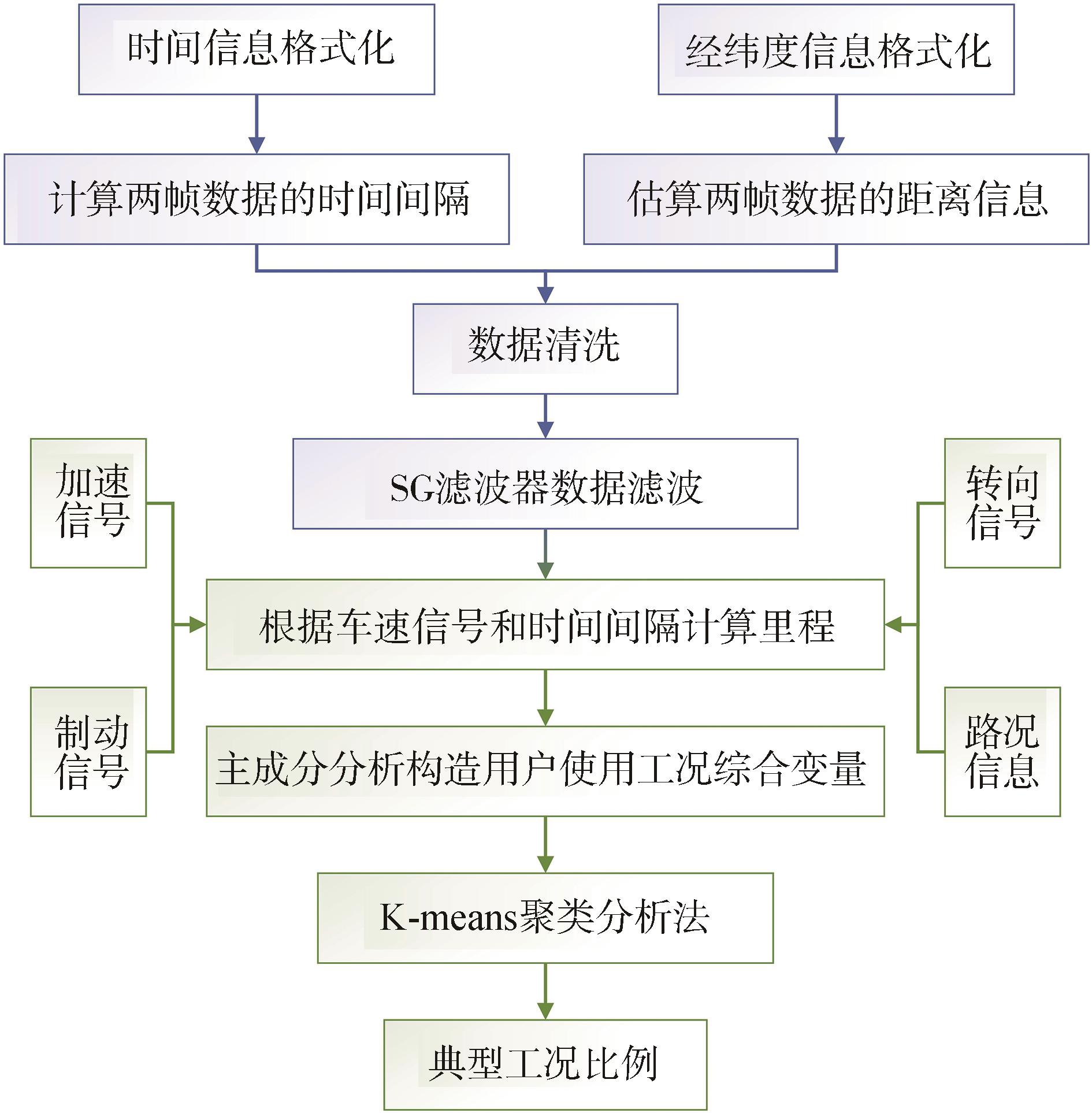
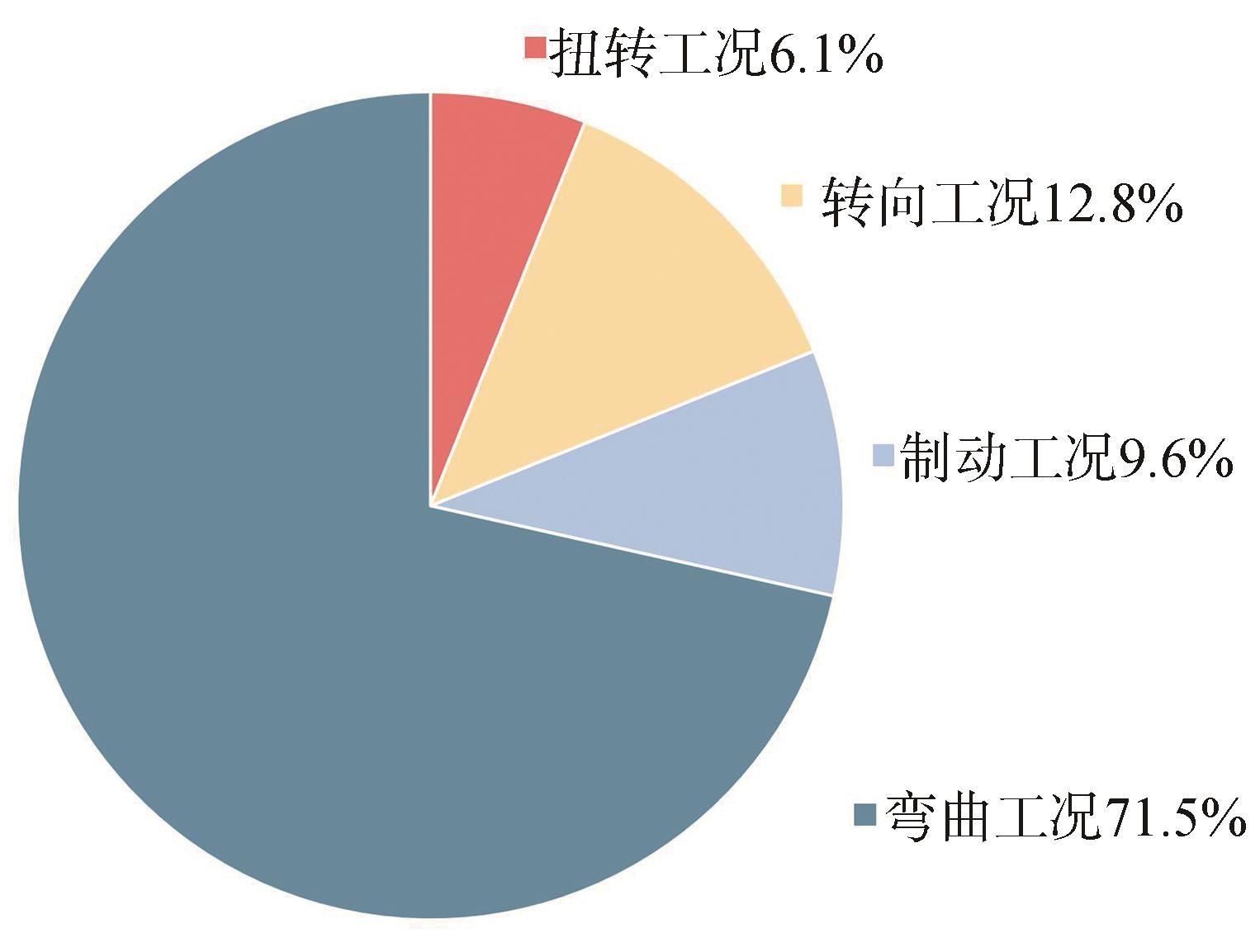
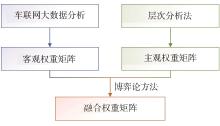
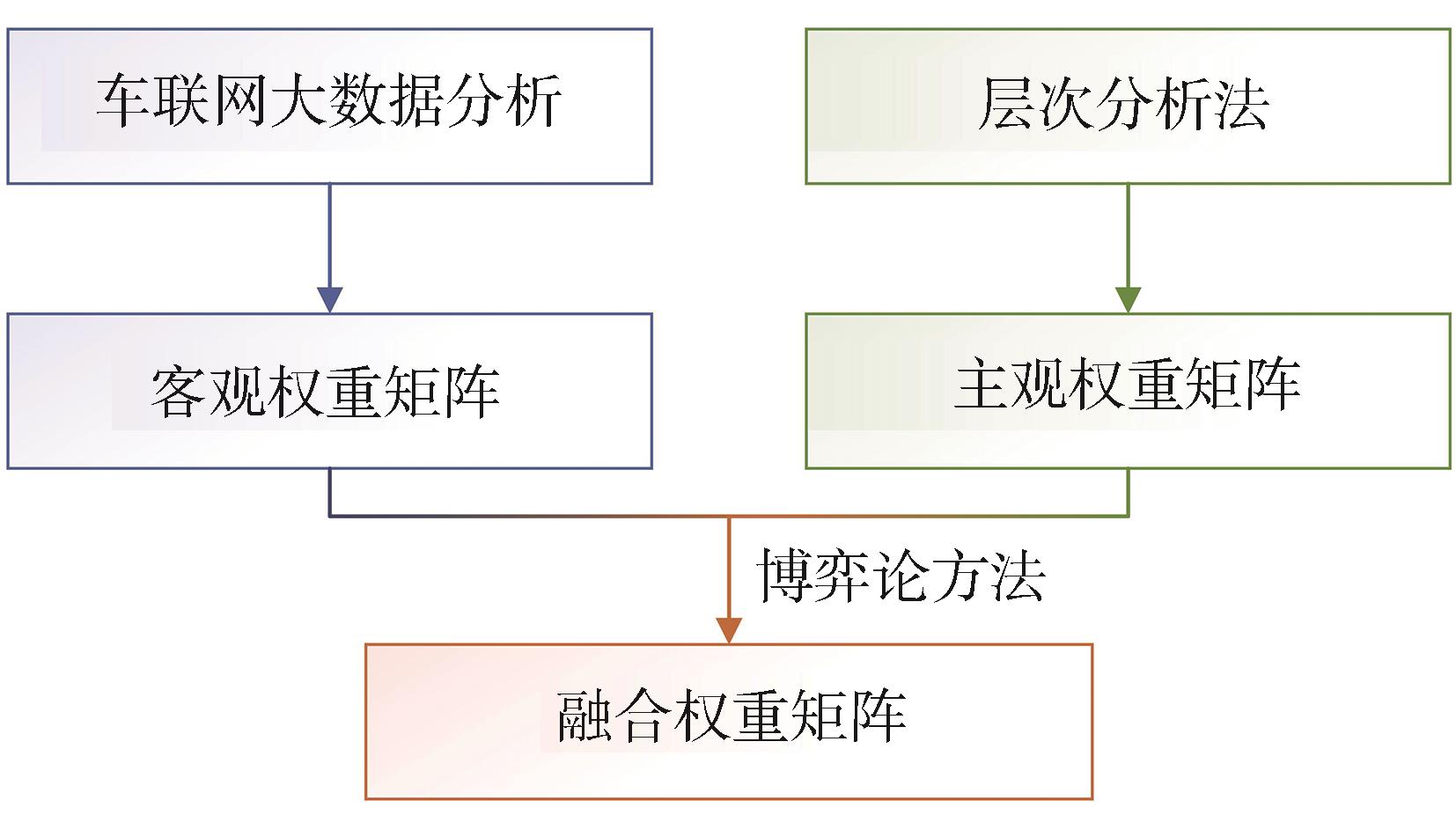
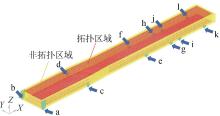
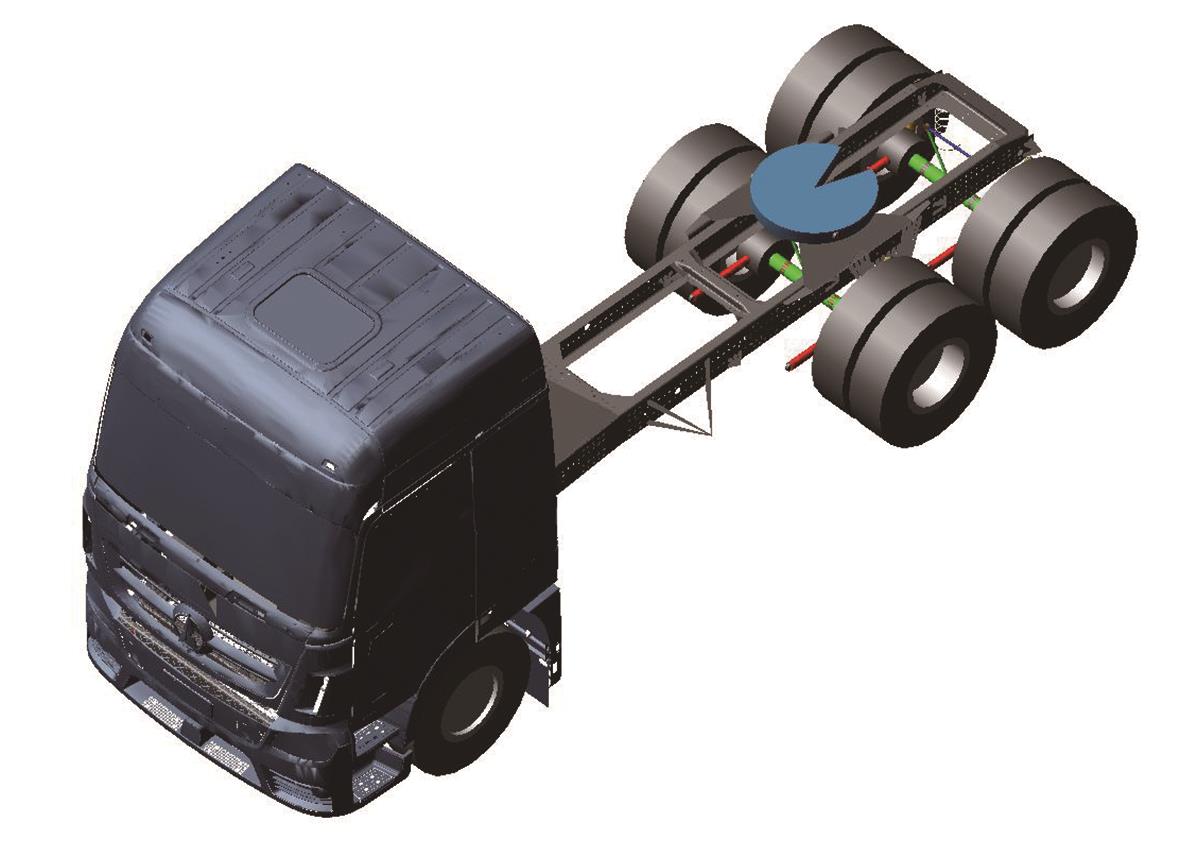
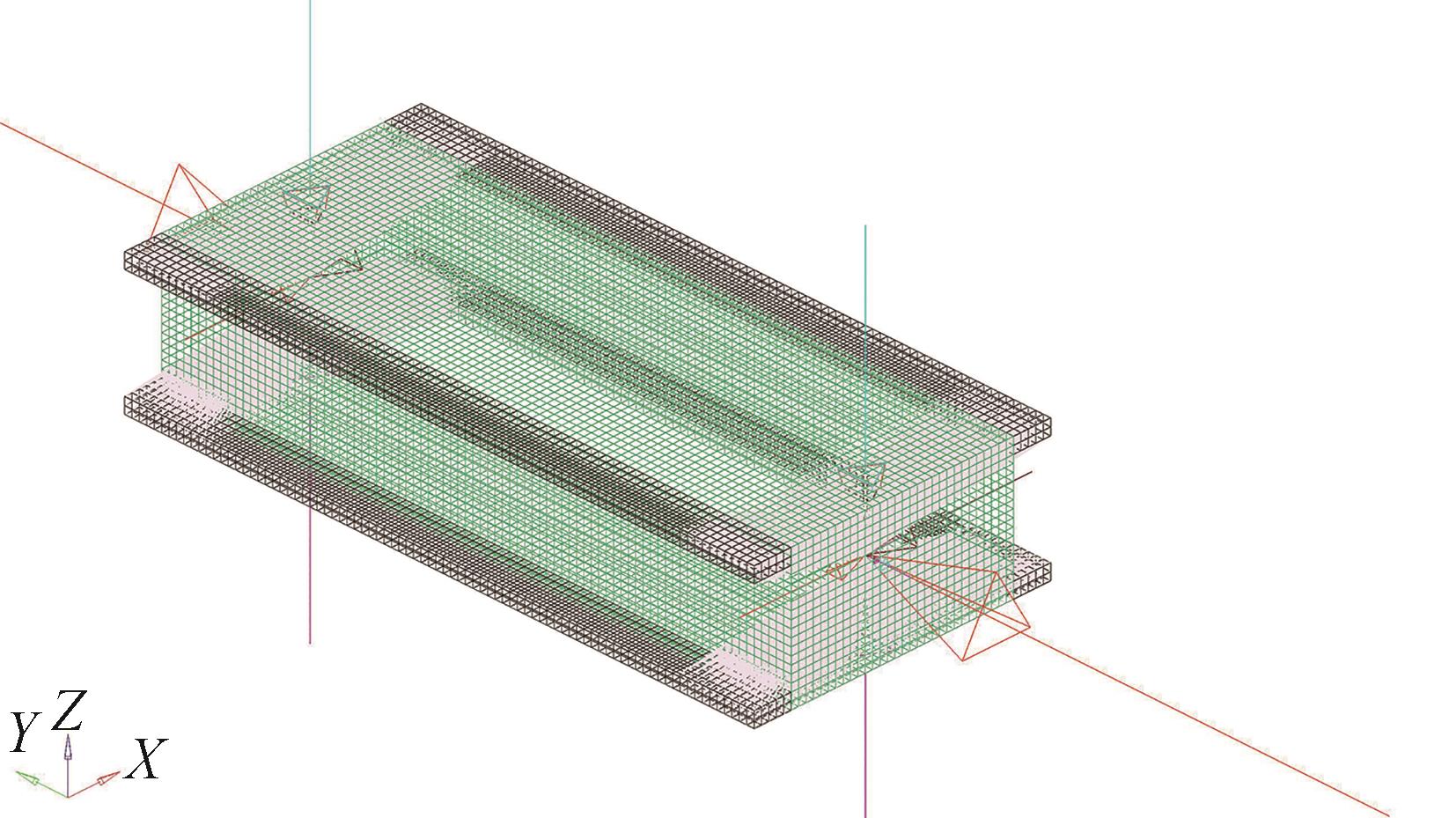
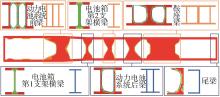
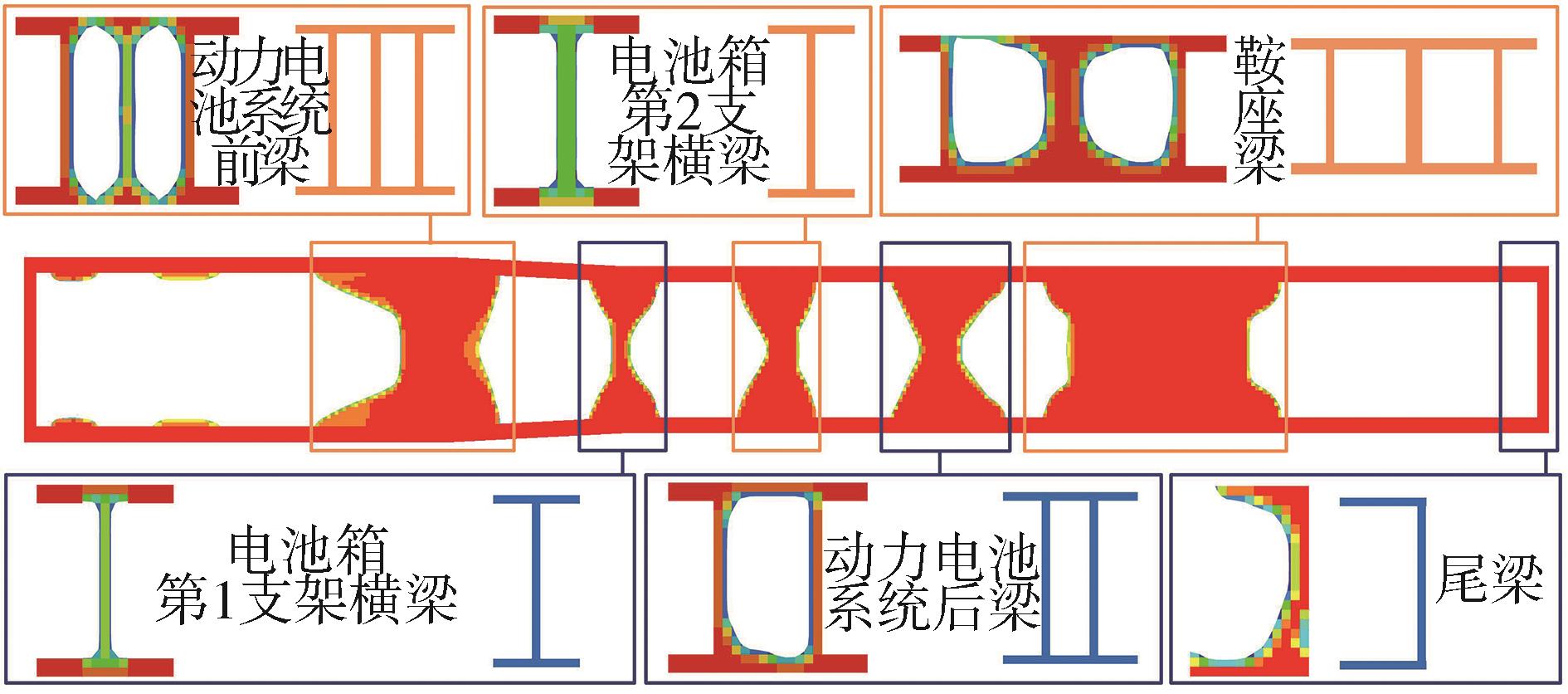
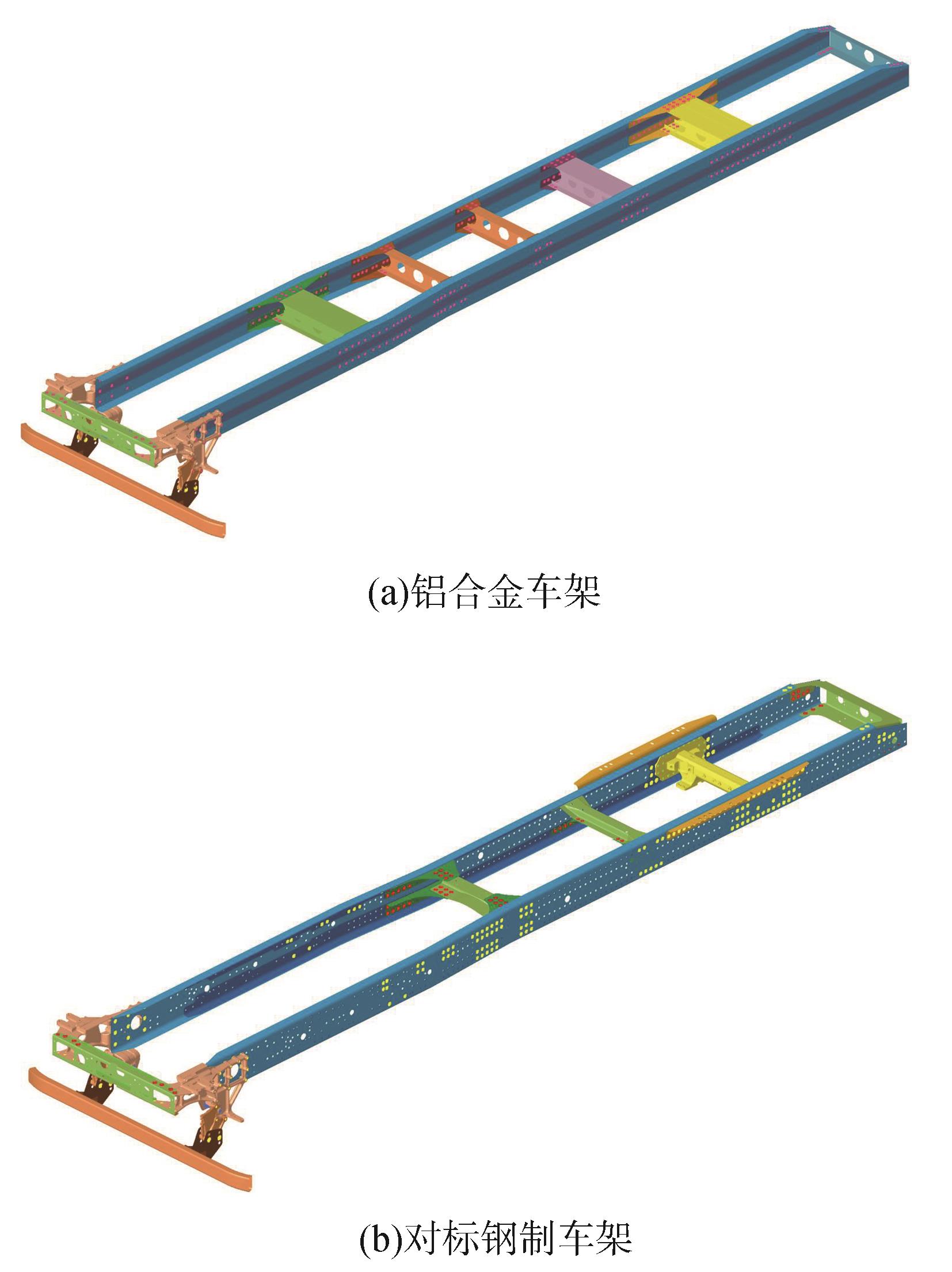
为提高电动商用车轻量化水平,本文提出了一种车联网大数据驱动的铝合金车架多级多工况拓扑优化设计方法。首先,分析车联网大数据得到工况比例确定客观权重,通过层次分析法得出主观权重。接着,采用博弈论方法综合两者并采用折衷规划法归一化处理各工况,建立多工况拓扑优化目标函数。然后以某牵引车铝合金车架作为研究对象,利用SIMP变密度惩罚法进行车架第1级总体多工况拓扑优化设计,得到了横梁的数量和相对位置信息。最后,通过多体动力学模型提取各纵、横梁间的多工况载荷,对车架进行了第2级横梁断面拓扑优化,得到了横梁的断面形状。研究结果显示,拓扑优化后,在性能提升的前提下,车架实现了31.4%的轻量化。

关键词: 铝合金车架, 多级拓扑, 轻量化, 权重系数, 车联网大数据

Abstract:

In order to improve the lightweight level of electric commercial vehicles, in this paper a multi-level and multi-condition topology optimization design method is proposed for the aluminum alloy frame driven by Internet of Vehicles (IoV) big data. Firstly, the big data of the IoV is analyzed to obtain the proportion of working conditions to determine the objective weight, and the subjective weight is obtained through the Analytic Hierarchy Process (AHP). Subsequently, a game theory approach integrates these weights through compromise programming to normalize conditions, establishing a multi-condition topology optimization objective function. Then, taking an aluminum alloy frame of a tractor as the research object, the Solid Isotropic Material with Penalization (SIMP) method is used to carry out the overall multi-condition topology optimization design of the first level of the frame, and the number and relative position information of the beams are obtained. Finally, the multi-body dynamic model is used to extract the multi-condition loads between the longitudinal and cross beams, and the second level cross beam section topology optimization is carried out on the frame, leading to the extraction of the cross-section shape of the cross beam. The results show that after topology optimization, the weight of the frame is reduced by 31.4% on the premise of performance improvement.

Key words: aluminum alloy frame, topology optimization, lightweight, weight coefficient, internet of vehicles big data