汽车工程 ›› 2025, Vol. 47 ›› Issue (9): 1686-1699.doi: 10.19562/j.chinasae.qcgc.2025.09.005

• • 上一篇    

越野车辆多维耦合稳定性深度强化学习控制

夏光1,3(),吴士标1,张洋2,魏恒1,刘贤阳1   

  1. 1.合肥工业大学汽车与交通工程学院,合肥 230009
    2.东南大学机械工程学院,南京 211189
    3.自动驾驶汽车安全技术安徽省重点实验室,合肥 230009
  • 收稿日期:2025-02-21 修回日期:2025-04-08 出版日期:2025-09-25 发布日期:2025-09-19
  • 通讯作者: 夏光 E-mail:xiaguang008@hfut.edu.cn
  • 基金资助:
    国家自然科学基金(52275100);国家自然科学基金(52402477);国家自然科学基金(52502466);安徽省杰出青年科学基金(2408085J034);安徽省重点研究与开发计划项目(202304a0502008)

Deep Reinforcement Learning Control of Multi-dimensional Coupled Stability of Off-road Vehicles

Guang Xia1,3(),Shibiao Wu1,Yang Zhang2,Heng Wei1,Xianyang Liu1   

  1. 1.School of Automotive and Traffic Engineering,Hefei University of Technology,Hefei 230009
    2.School of Mechanical Engineering,Southeast University,Nanjing 211189
    3.Key Laboratory for Automated Vehicle Safety Technology of Anhui Province,Hefei 230009
  • Received:2025-02-21 Revised:2025-04-08 Online:2025-09-25 Published:2025-09-19
  • Contact: Guang Xia E-mail:xiaguang008@hfut.edu.cn

摘要:

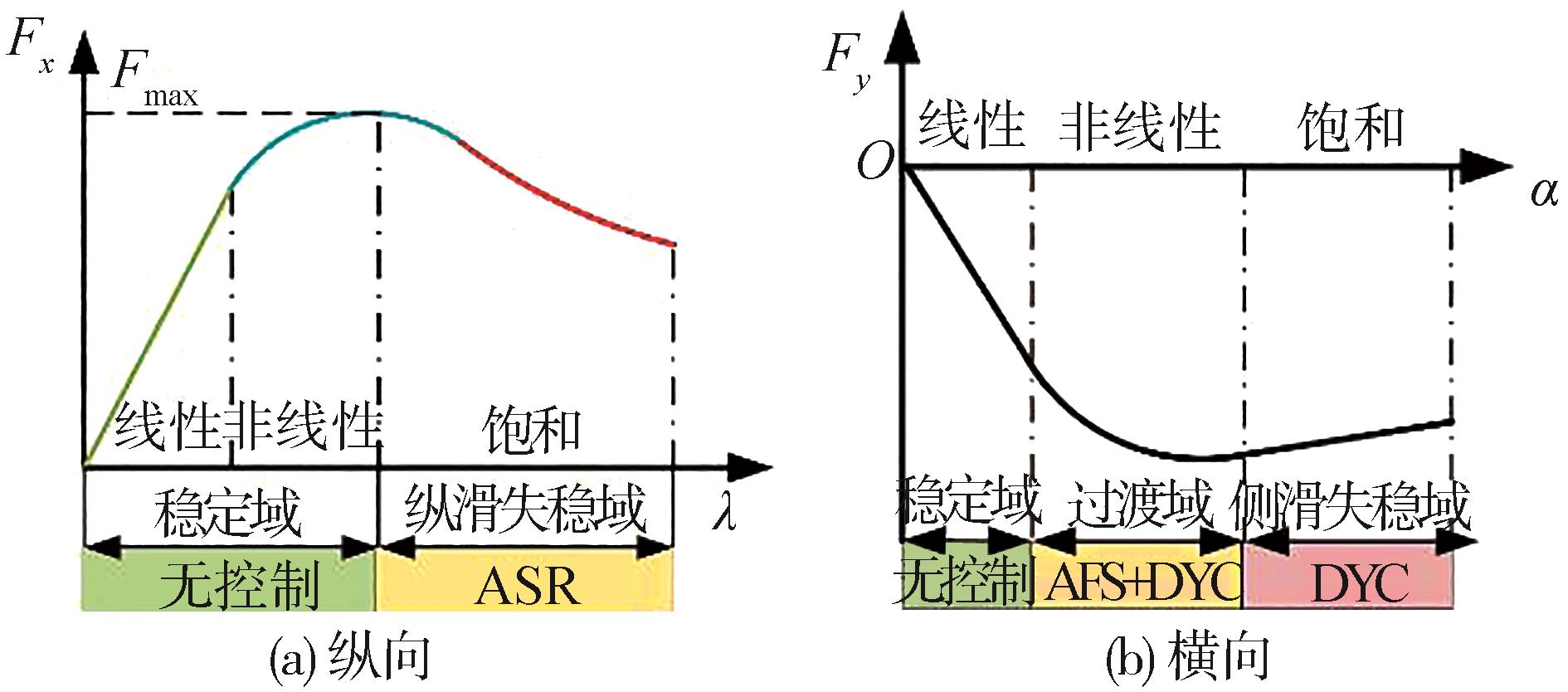
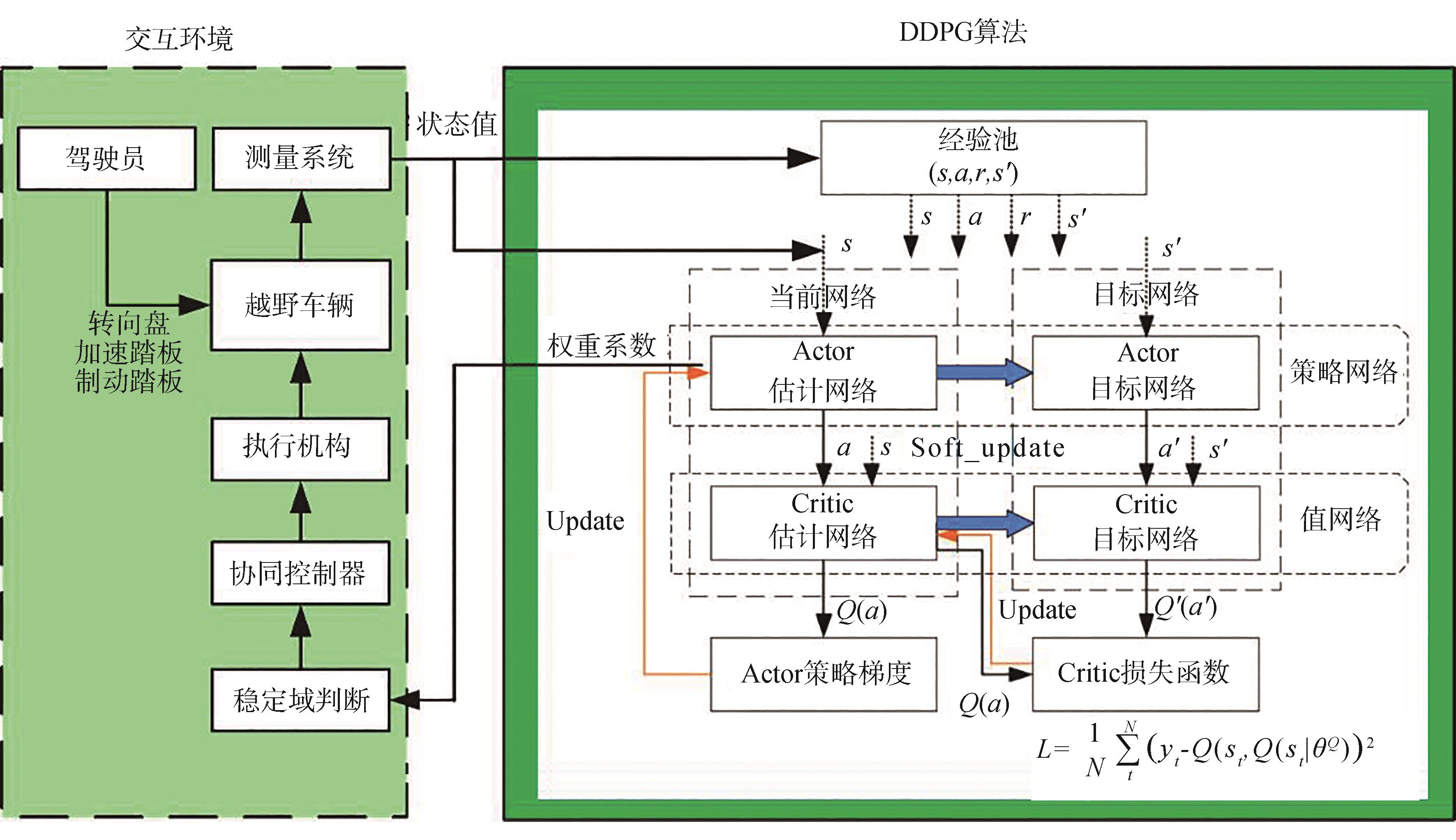
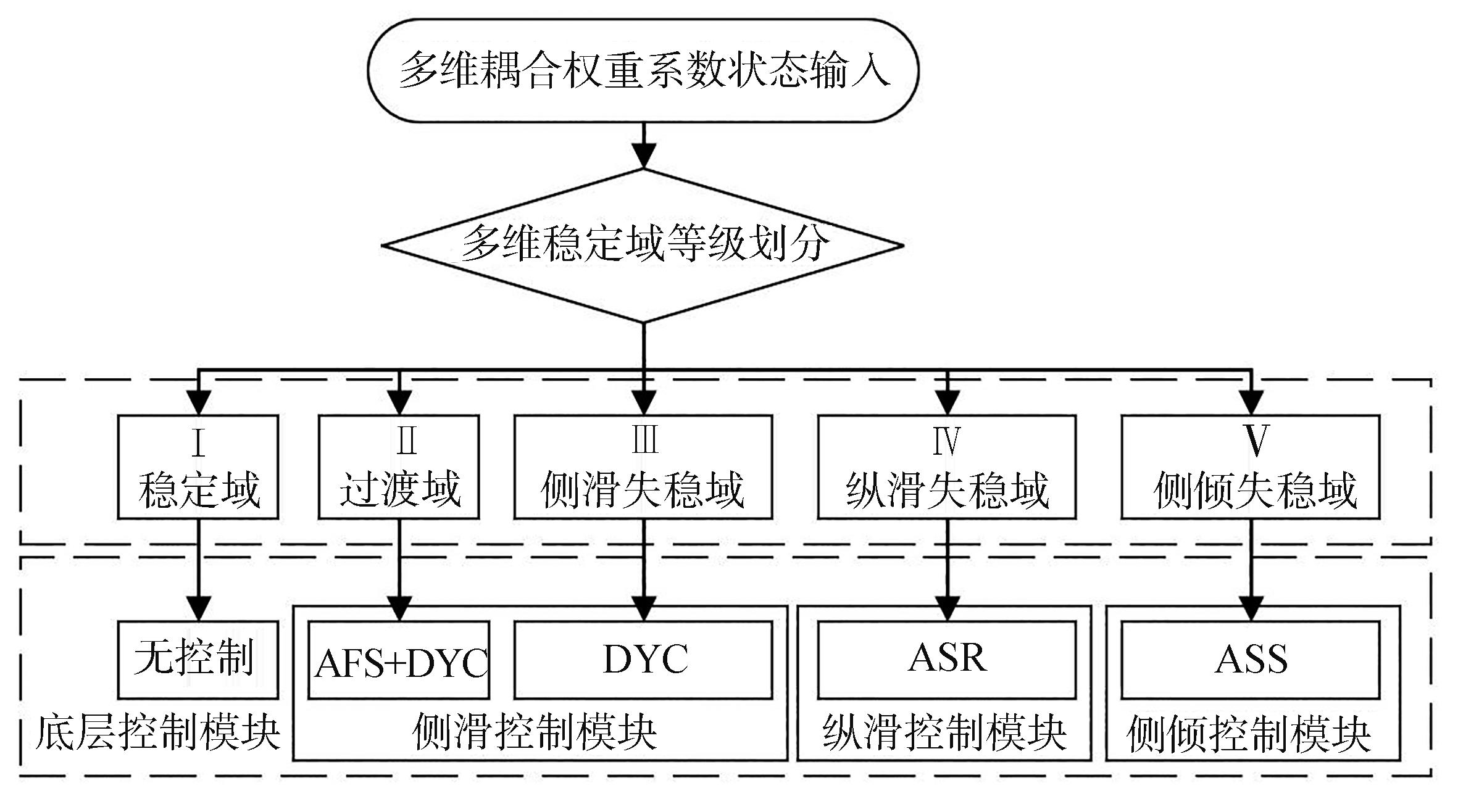
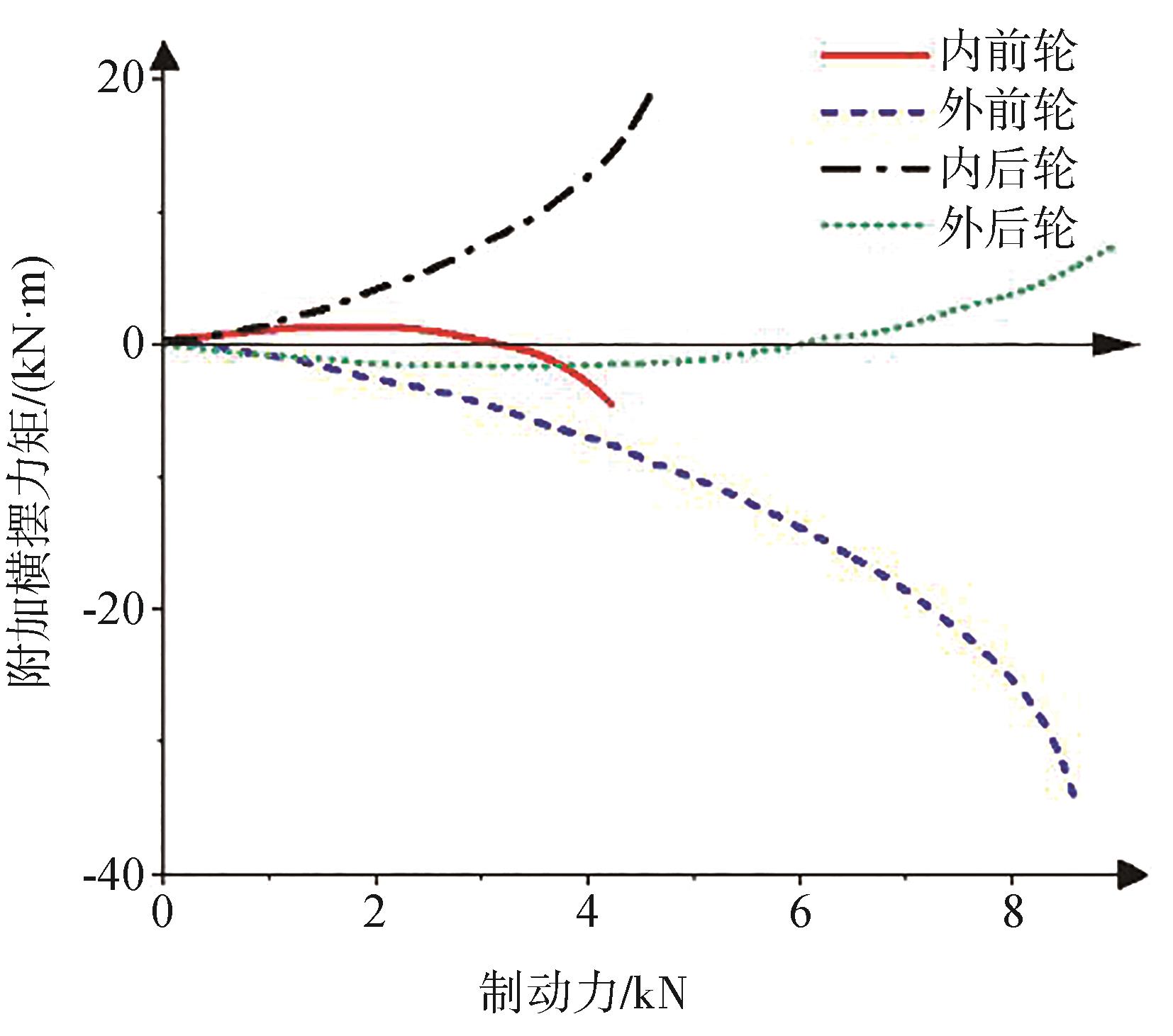
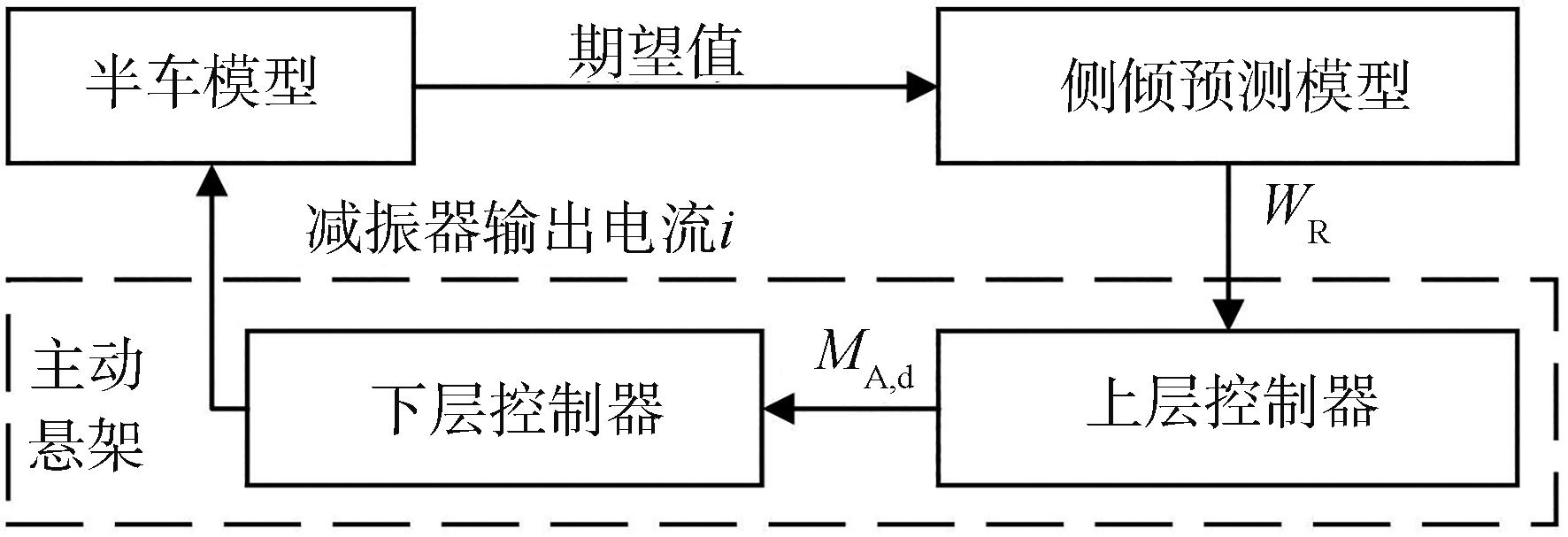
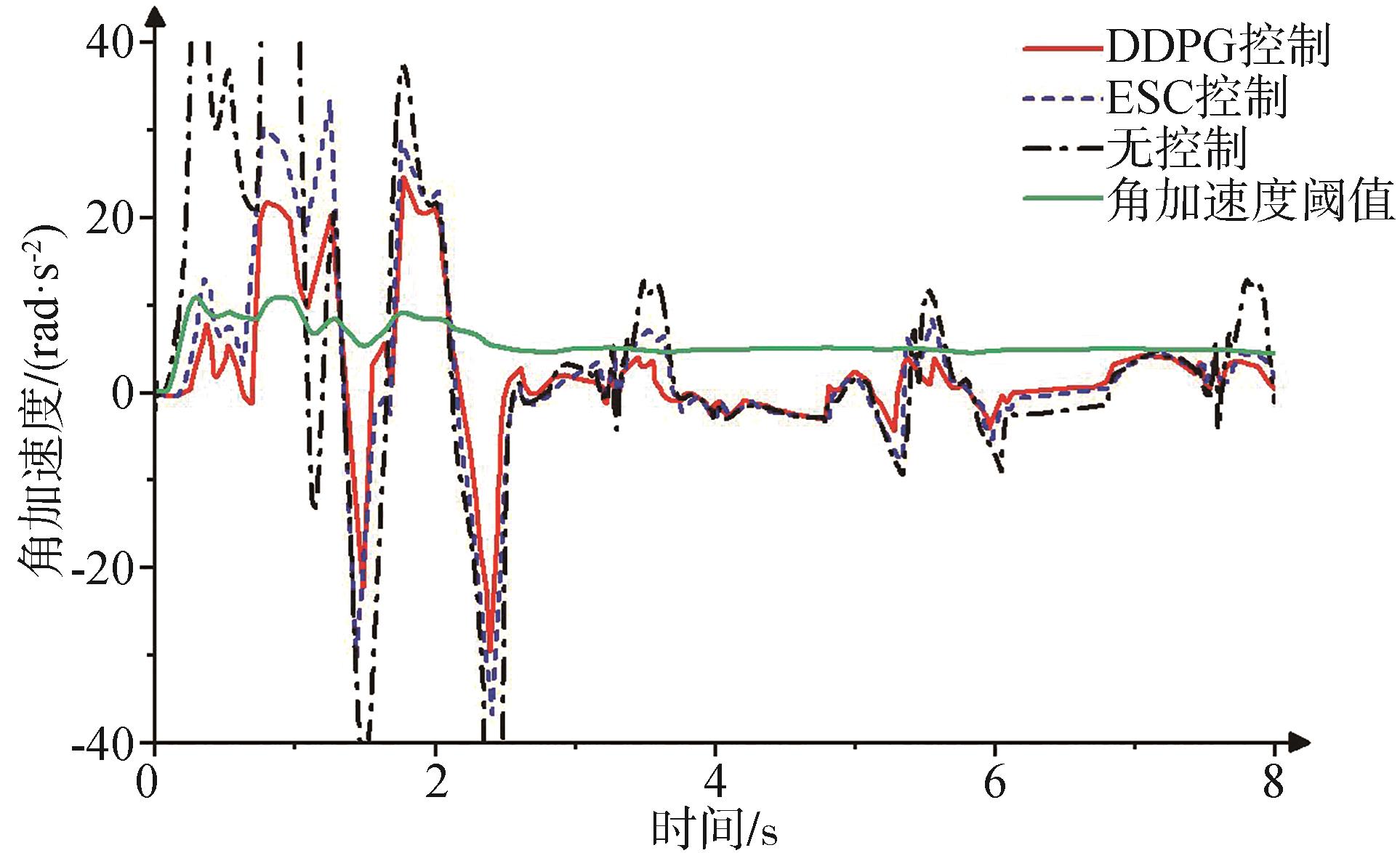
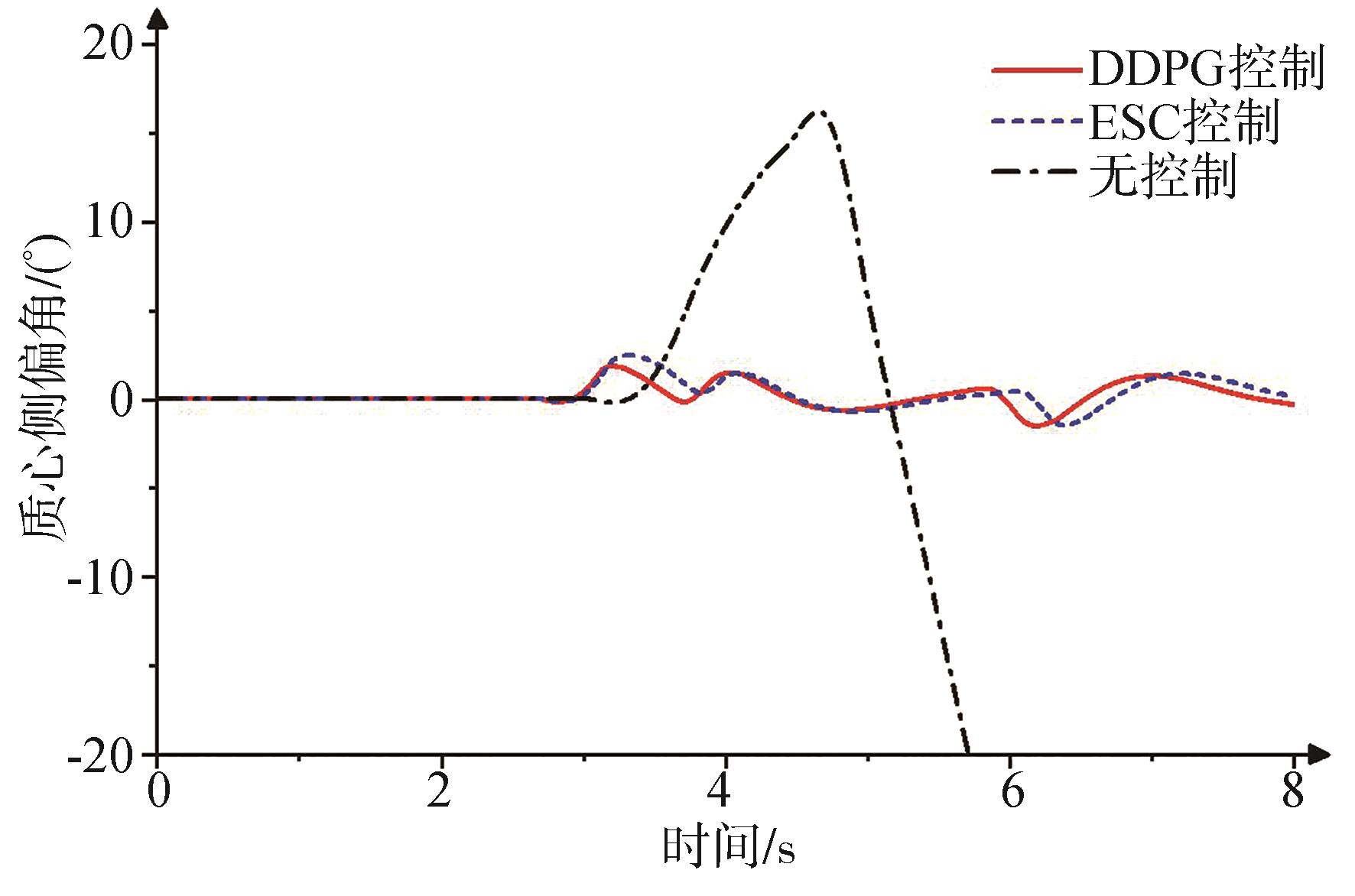
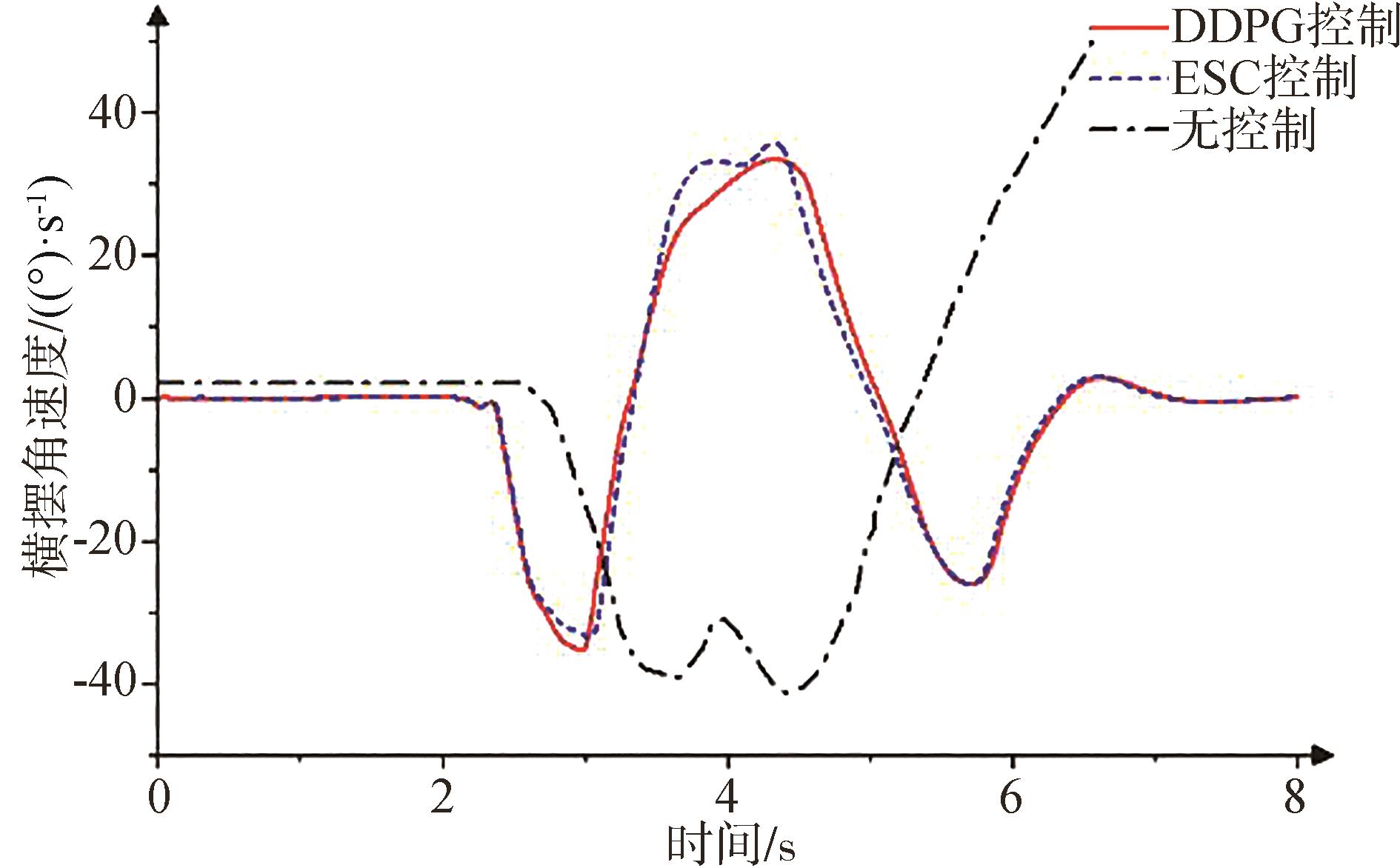
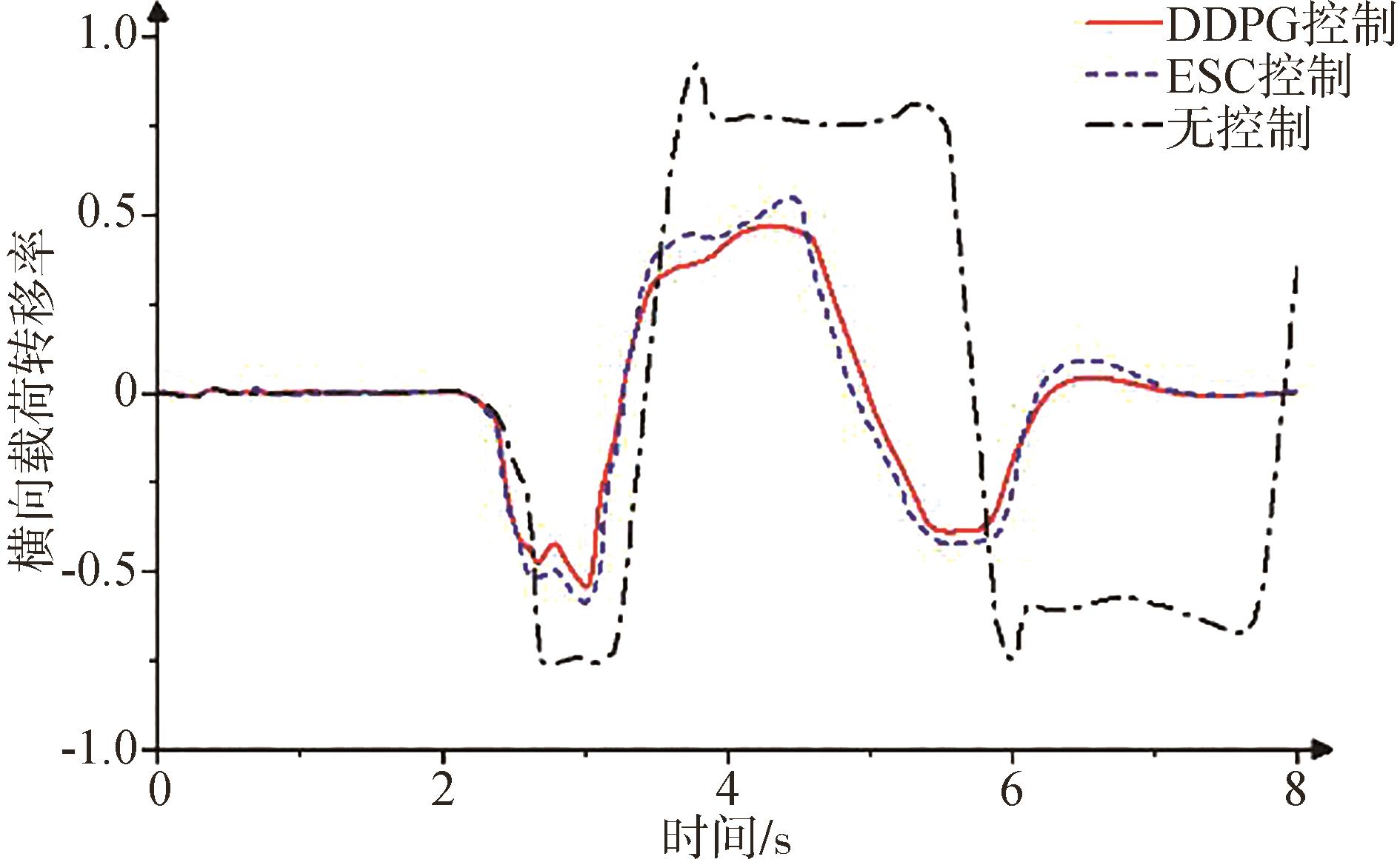
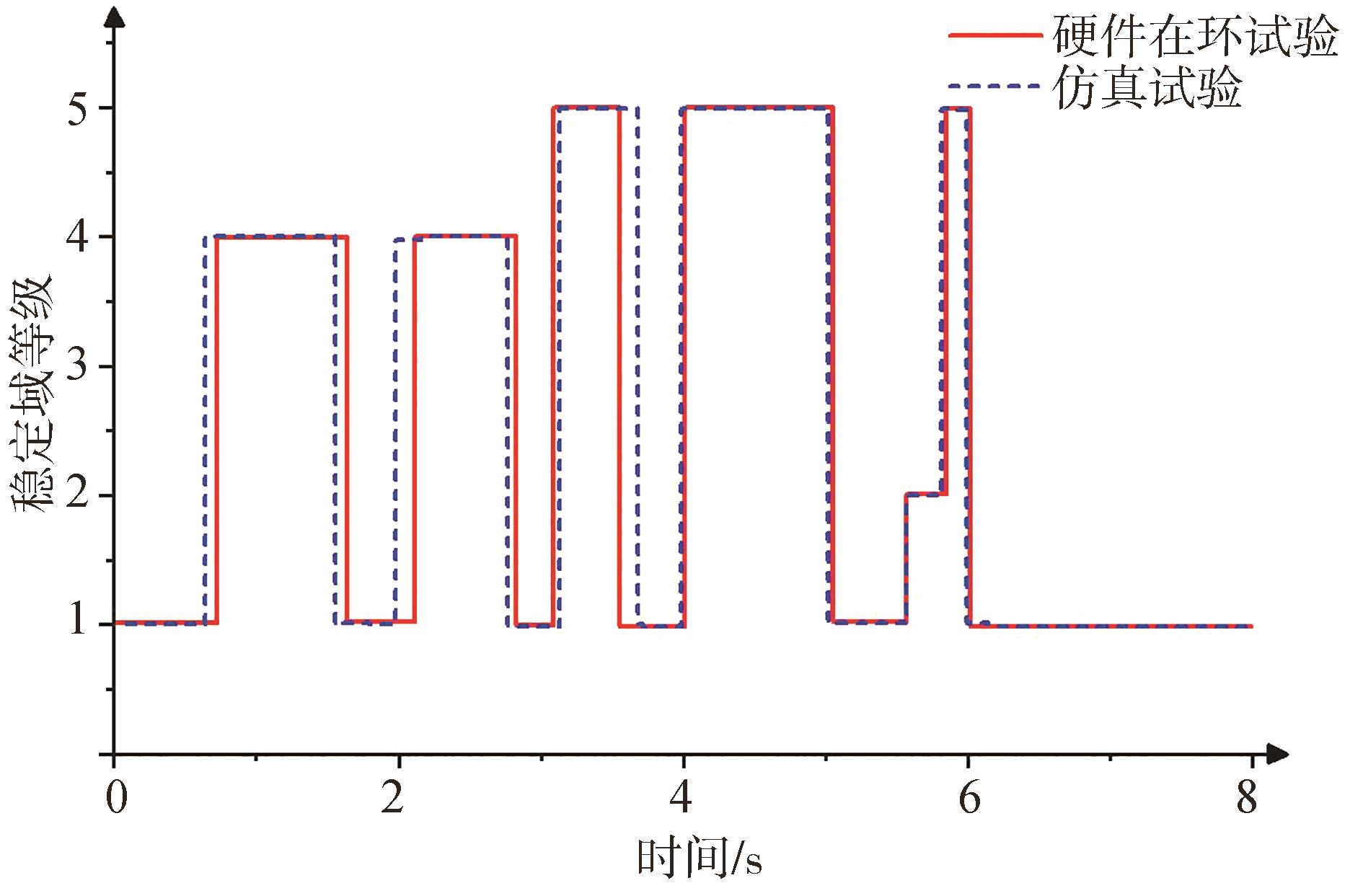
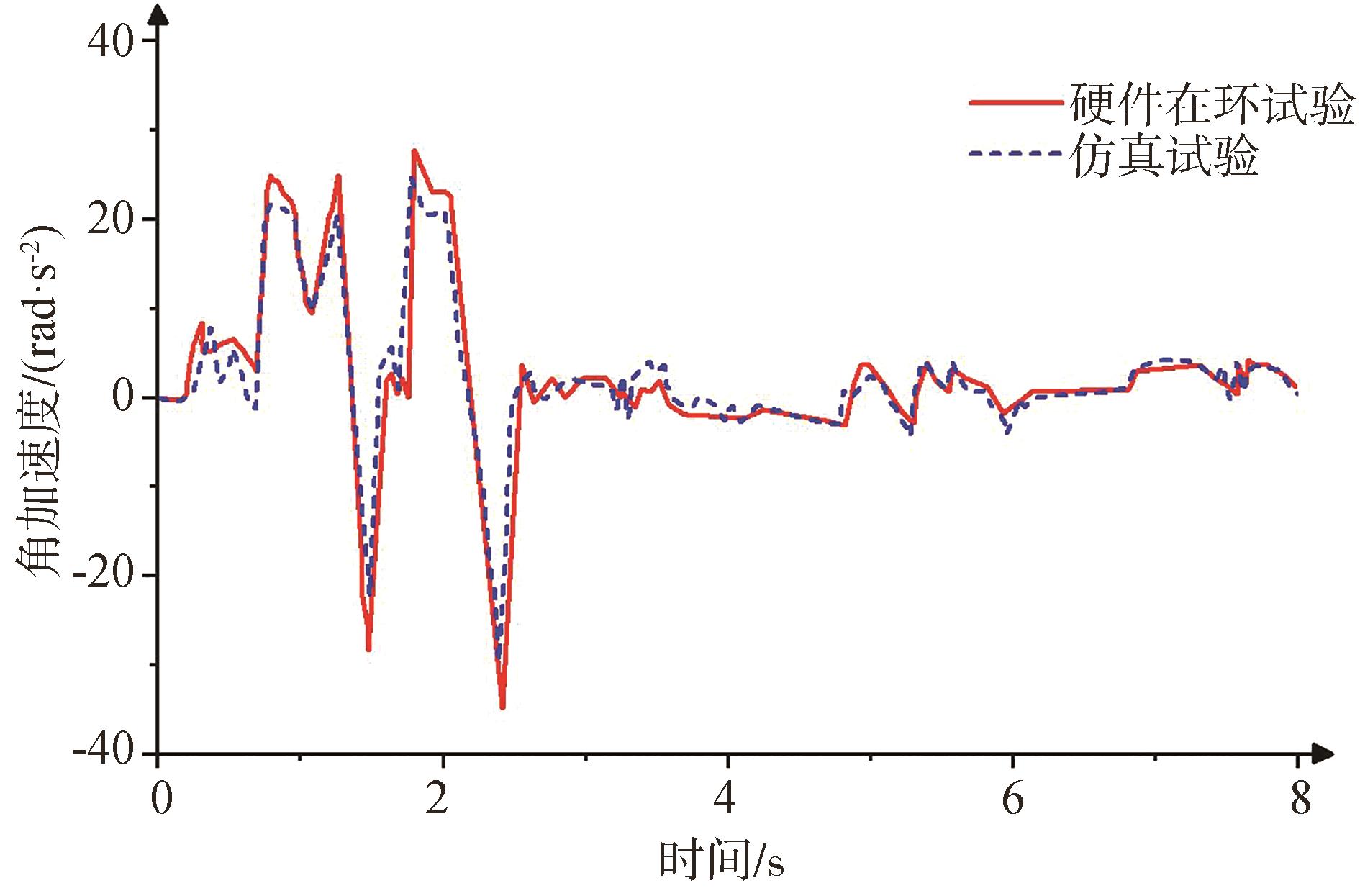
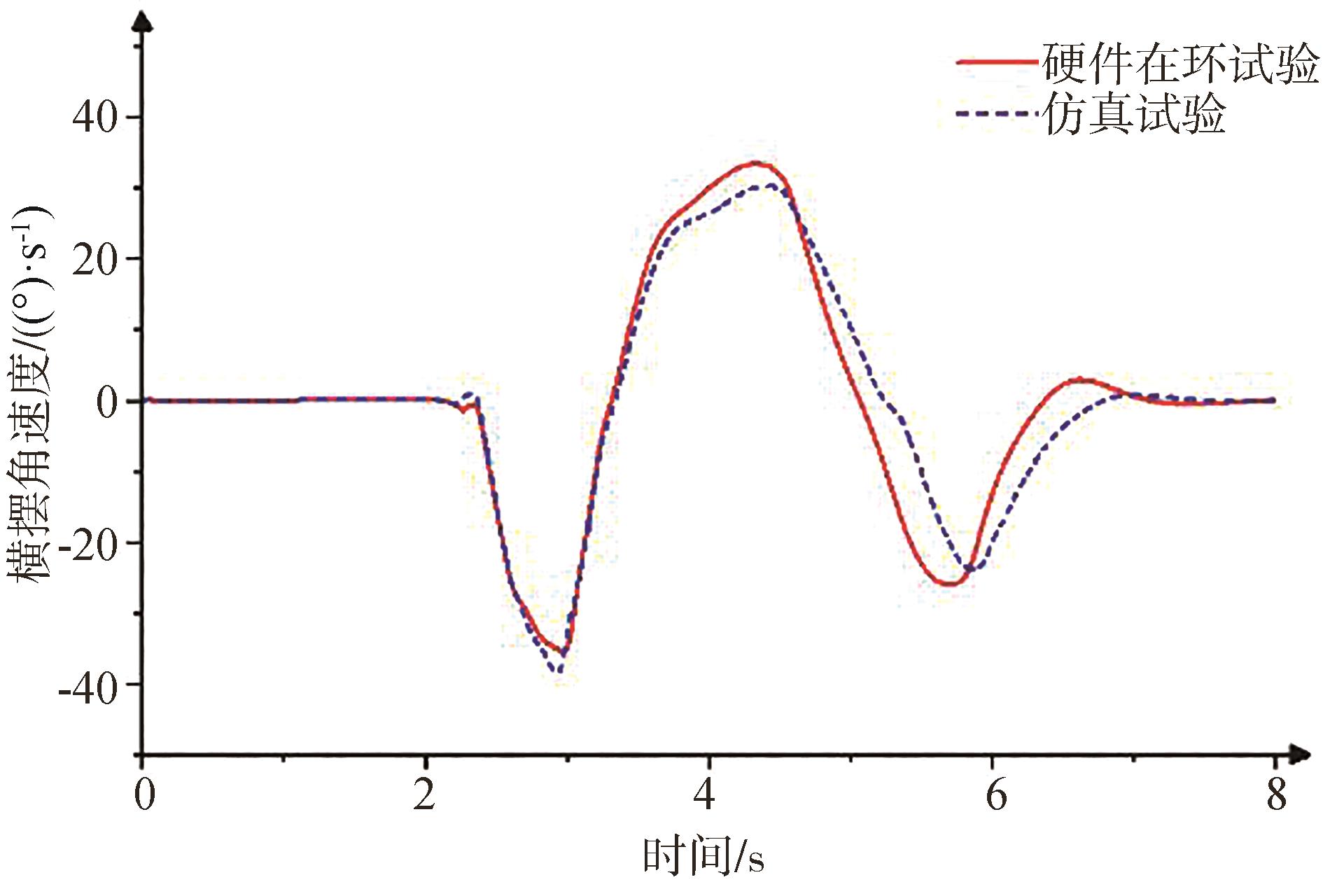
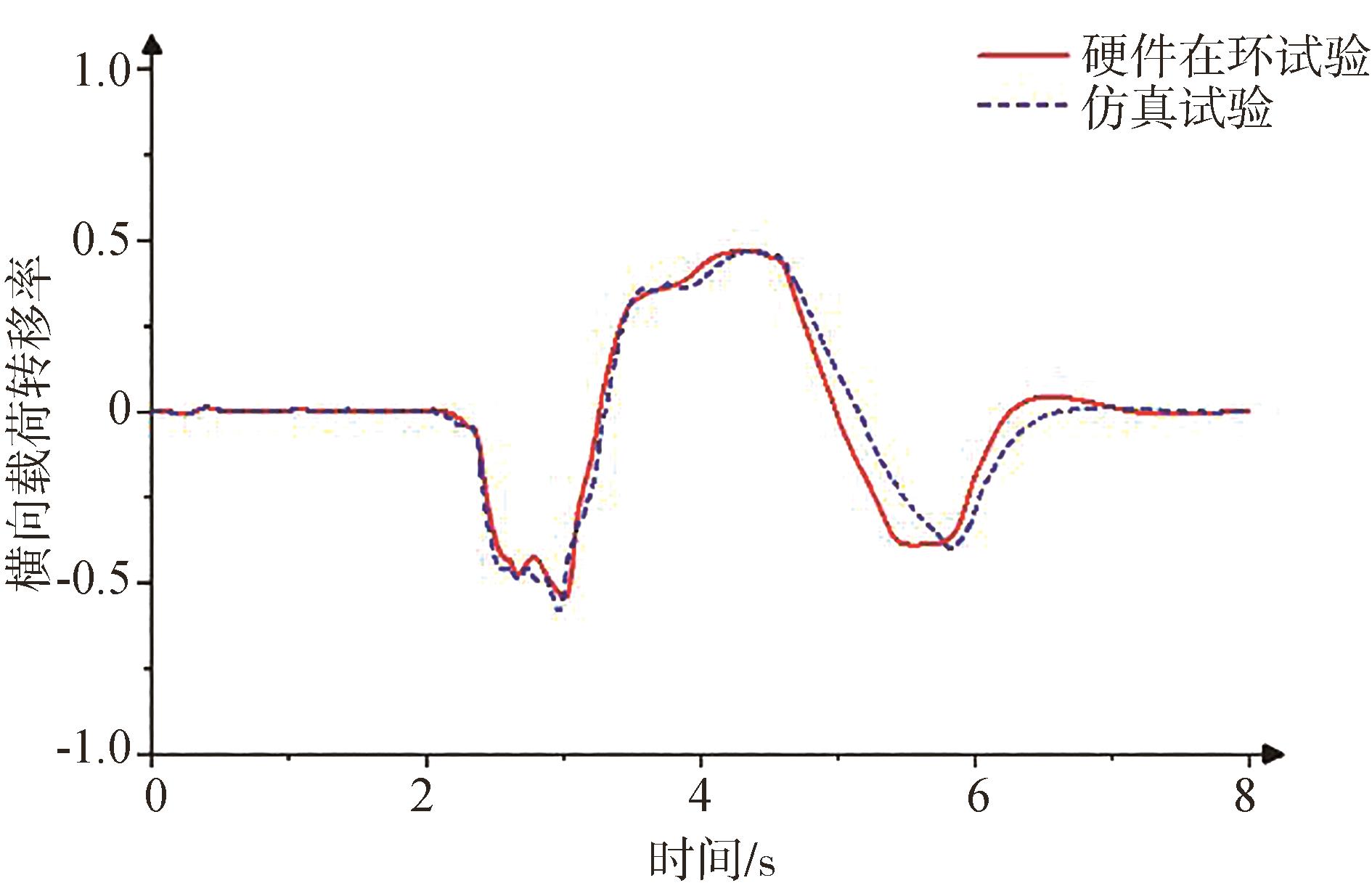
越野车辆在极限工况下易发生整车侧滑、纵滑和侧倾的多维失稳,且难以用具体的数学模型表征整车稳定性状态,因此本文提出了极限工况下越野车辆多维耦合稳定性深度强化学习协同控制策略。首先建立不同维度稳定性评价指标,同时构建多维耦合稳定域,根据轮胎纵横垂向力耦合关系进行稳定域划分,并通过离线轮胎模型训练确定各稳定域的边界参数;其次通过DDPG(deep deterministic policy gradient)深度强化学习算法构建越野车辆与环境交互下的控制策略,输出各维度最优权重系数表征越野车辆稳定性状态;再基于汽车底盘解耦的协同控制策略设计纵滑、侧滑和侧倾控制器进行稳定性控制;最后,通过CarSim与Simulink联合仿真验证和硬件在环平台验证,结果表明基于DDPG算法下多维耦合稳定性控制策略显著提升整车综合稳定性。

关键词: 越野车辆, 多维耦合稳定域, 深度强化学习, 协同控制, 硬件在环试验

Abstract:

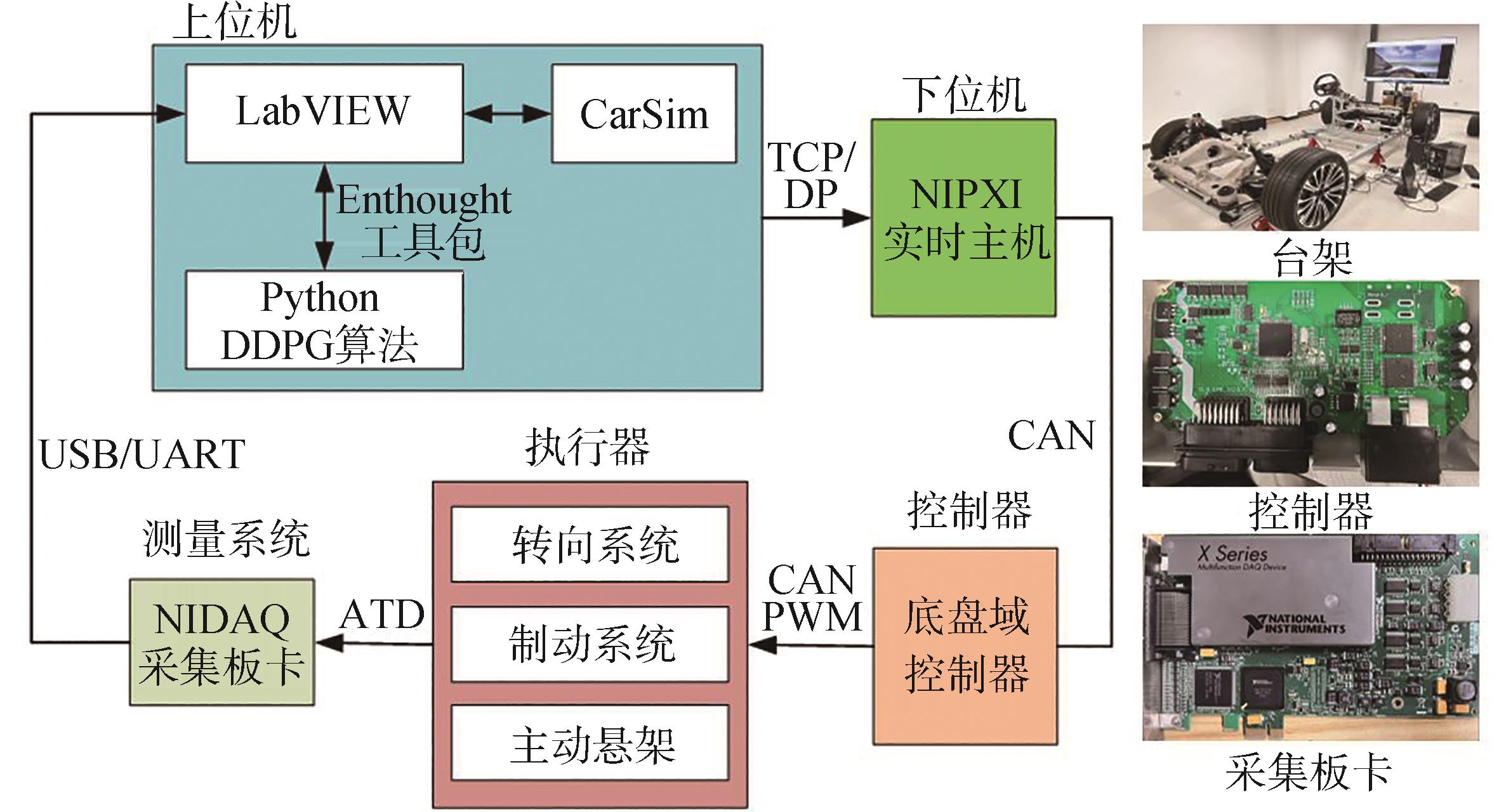
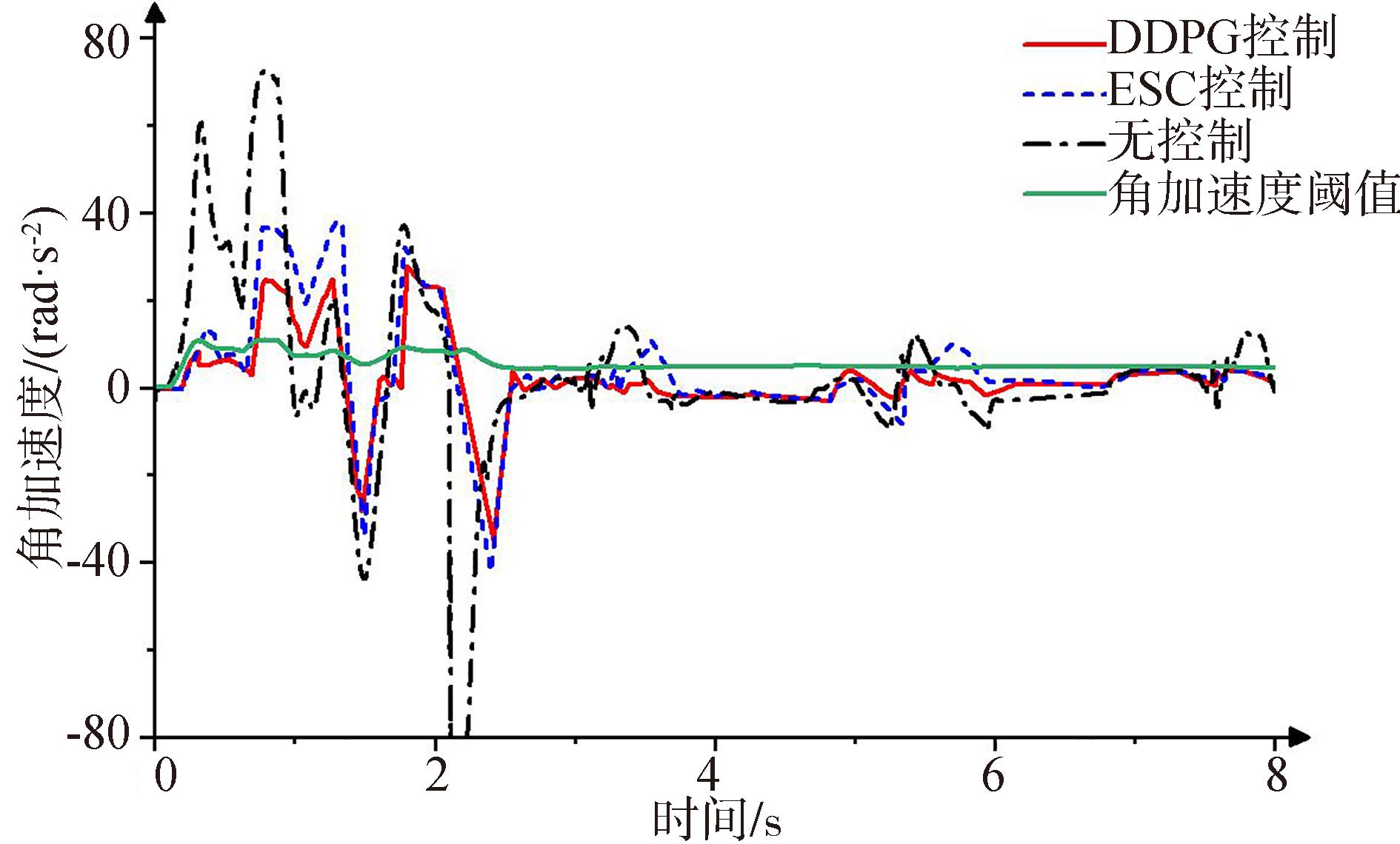
The operation of off-road vehicles in a variety of extreme conditions can result in instability risks, including lateral slip, longitudinal slip, and roll. Nevertheless, there are difficulties in defining the stability states of the vehicle with a precise mathematical model. Therefore, in this paper a multi-dimensional coupled stability deep reinforcement learning collaborative control strategy for off-road vehicles under extreme conditions is proposed. Firstly, indicators for evaluating stability in different dimensions are established. Concurrently, the multi-dimensional coupled stable domain is constructed, and the stable domain is divided based on the coupling relationship between tire lateral and vertical forces, and the boundary parameters between each stable domain are determined through offline tire model training. Secondly, the DDPG (Deep Deterministic Policy Gradient) deep reinforcement learning algorithm is used to construct control strategies for the interaction between off-road vehicles and the environment. The optimal weight coefficients of each dimension are output to characterize the stability status of off-road vehicles. Then, a controller for longitudinal, lateral, and roll control is designed based on a collaborative control strategy for decoupling the car chassis. Finally, the joint simulation and hardware-in-the-loop verification in CarSim and Simulink show that the multi-dimensional coupled stability control strategy based on the DDPG algorithm markedly enhances the overall stability of the vehicle.

Key words: off-road vehicle, multi-dimensional coupled stability domain, deep reinforcement learning, cooperative control, hardware-in-the-loop test