汽车工程 ›› 2025, Vol. 47 ›› Issue (6): 1112-1121.doi: 10.19562/j.chinasae.qcgc.2025.06.010

• • 上一篇    

基于EIS的锂离子电池内部温度估计及内短路诊断策略研究

李军求(),刘子鸣,刘正楠,柴志雄   

  1. 北京理工大学,电动车辆国家工程研究中心,北京 100081
  • 收稿日期:2024-11-26 修回日期:2025-01-07 出版日期:2025-06-25 发布日期:2025-06-20
  • 通讯作者: 李军求 E-mail:lijunqiu@bit.edu.cn
  • 基金资助:
    第二十七届中国科协年会学术论文。

Research on Internal Temperature Estimation and ISC Diagnosis Strategy of Lithium-ion Batteries Based on EIS

Junqiu Li(),Ziming Liu,Zhengnan Liu,Zhixiong Chai   

  1. Beijing Institute of Technology,National Engineering Research Center of Electric Vehicles,Beijing 100081
  • Received:2024-11-26 Revised:2025-01-07 Online:2025-06-25 Published:2025-06-20
  • Contact: Junqiu Li E-mail:lijunqiu@bit.edu.cn

摘要:

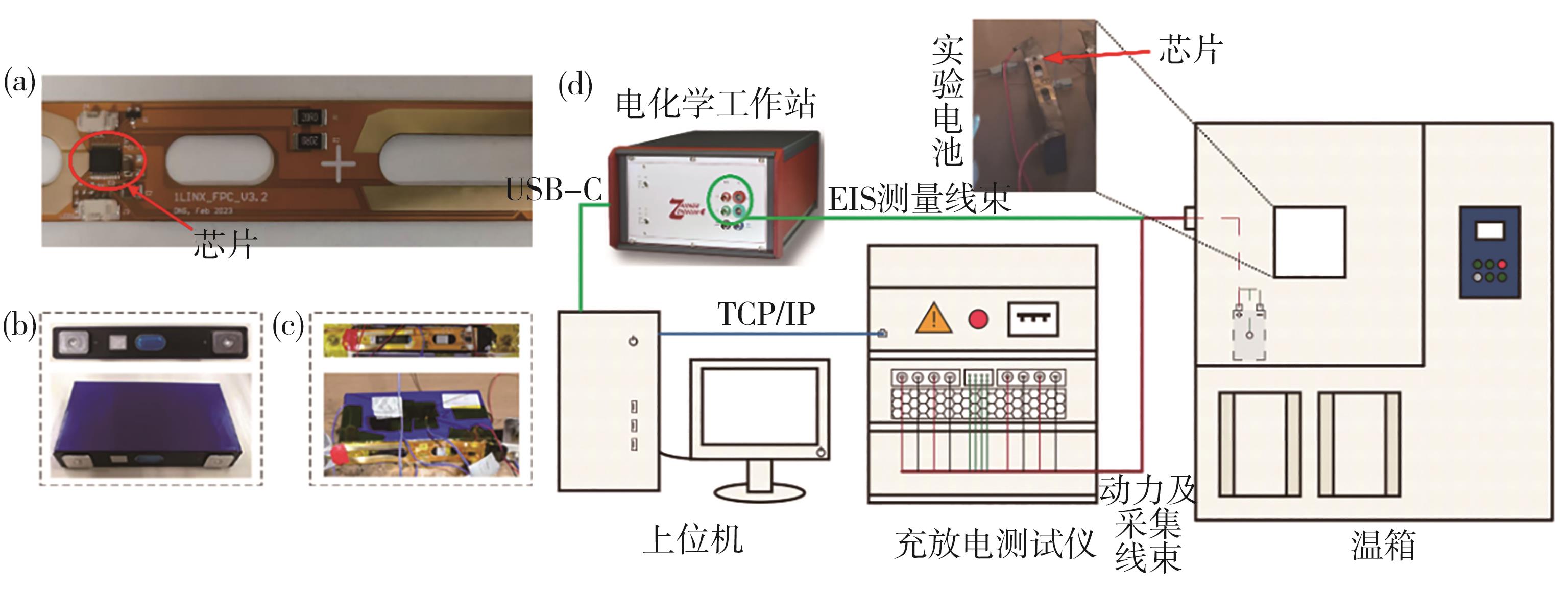
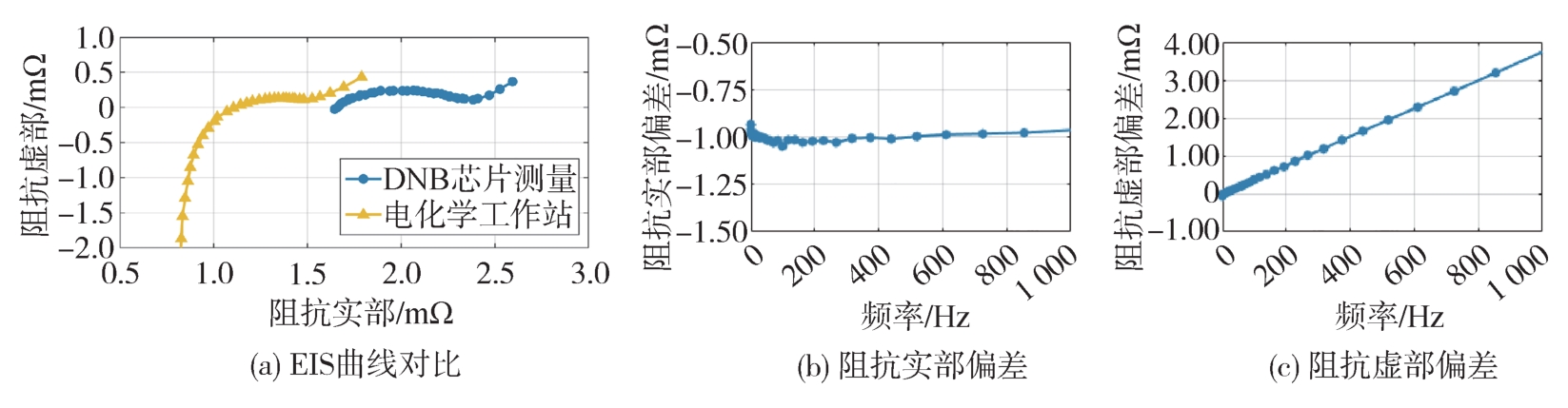
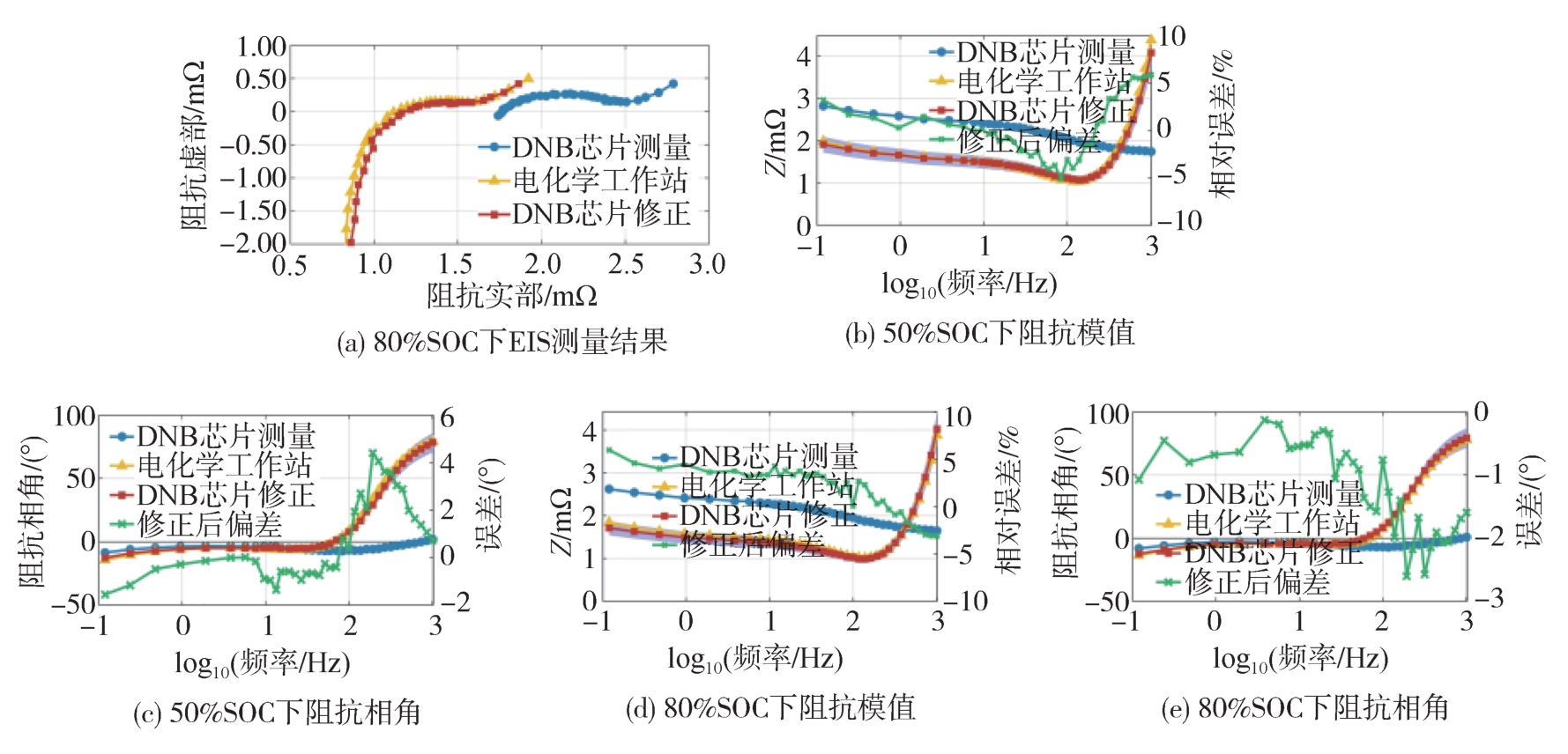
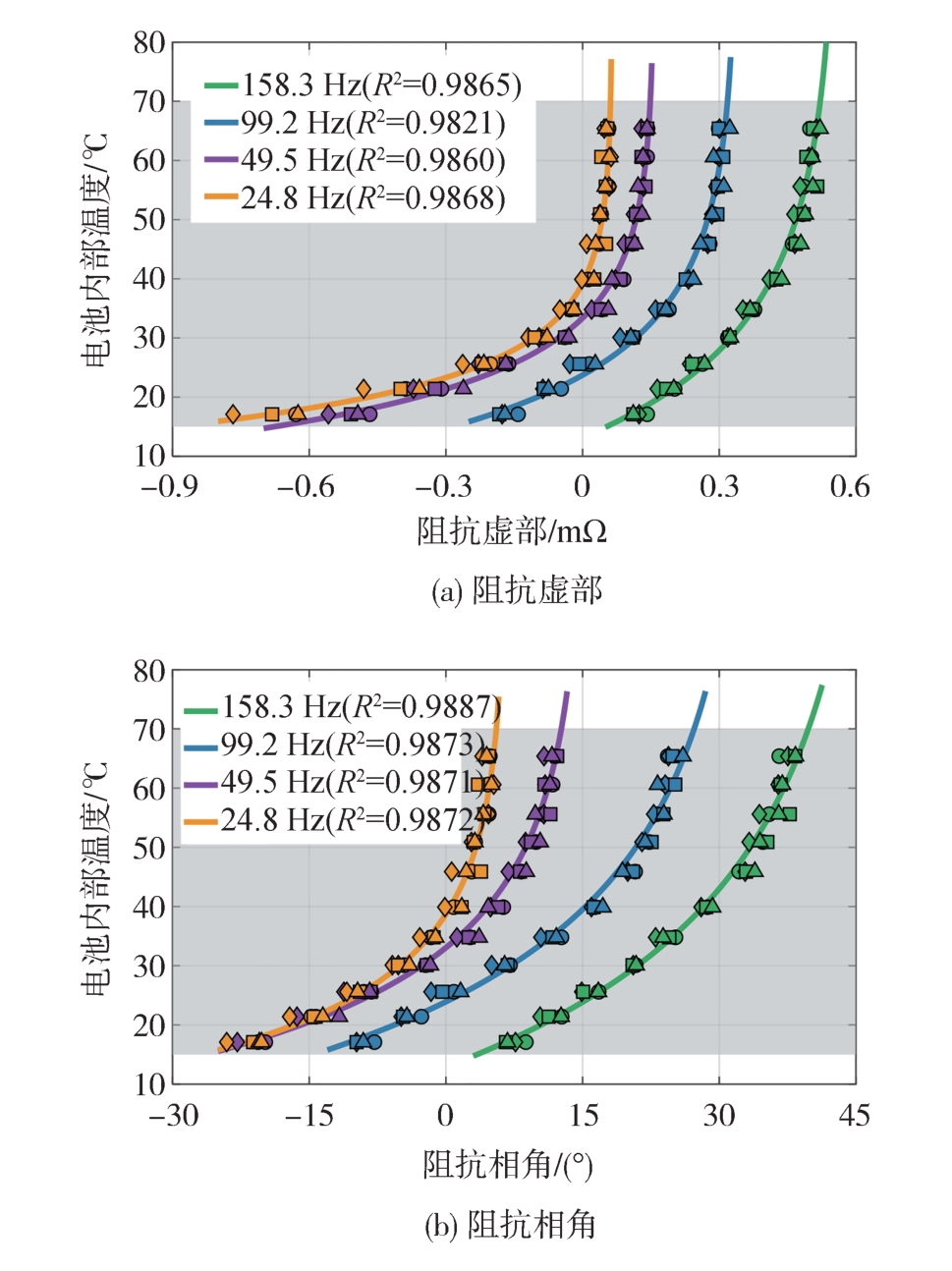
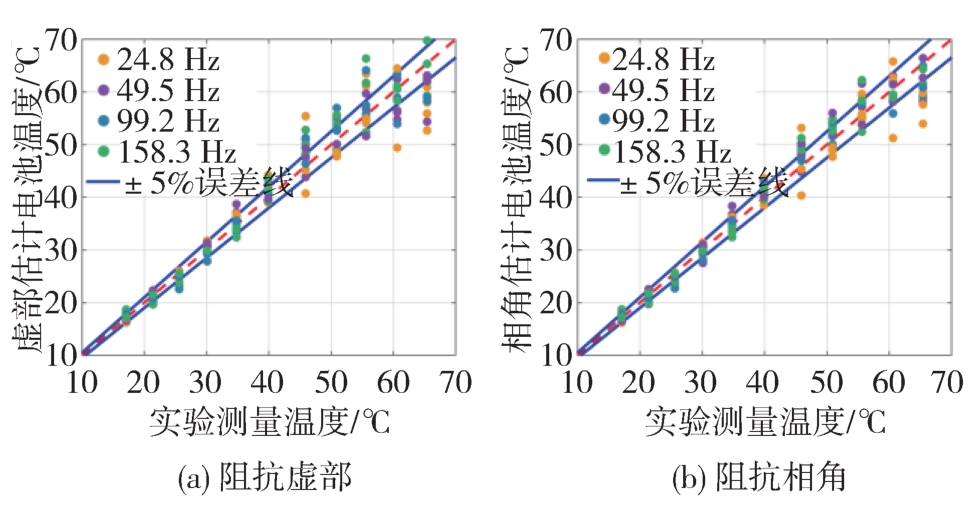
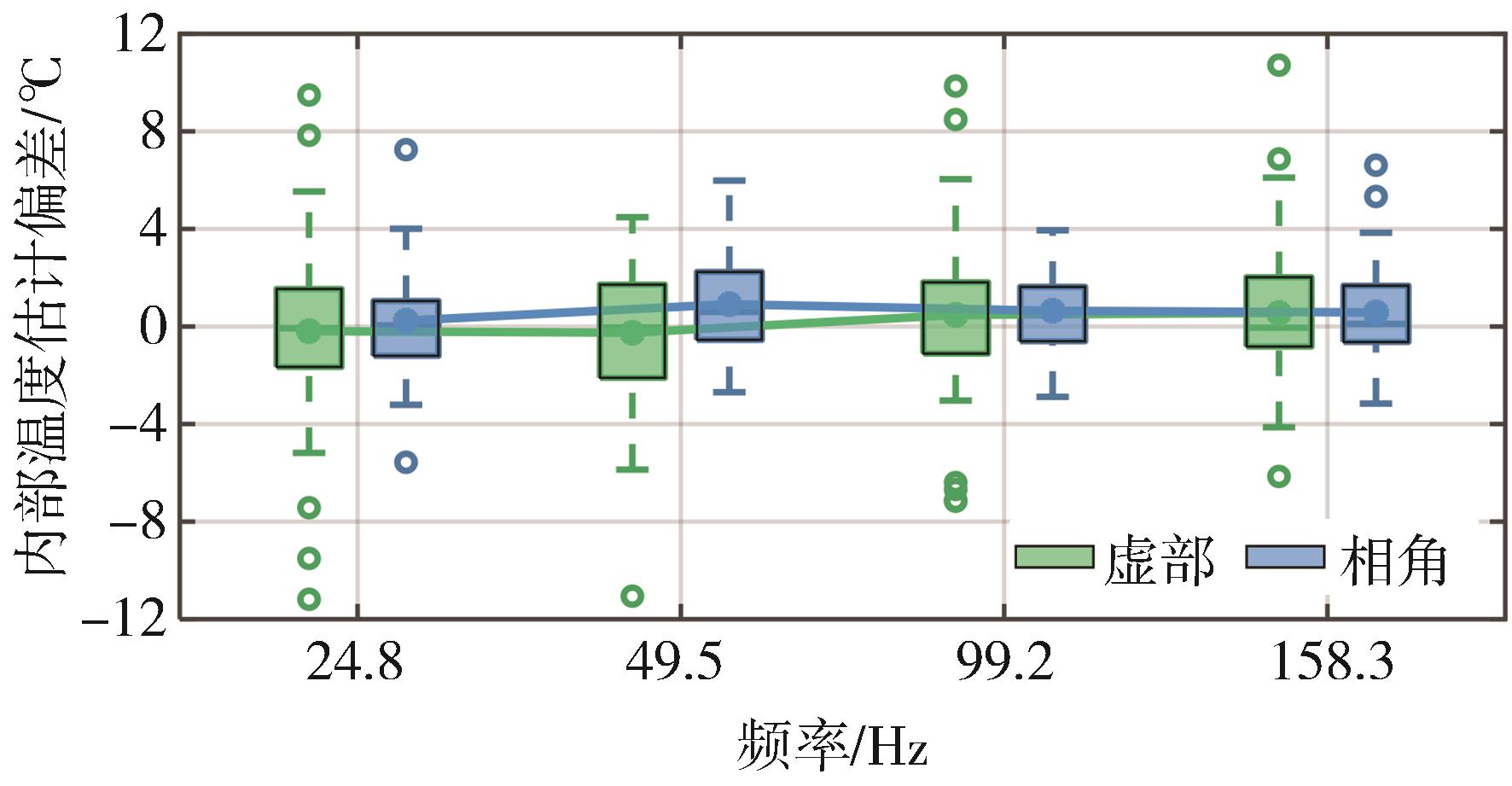
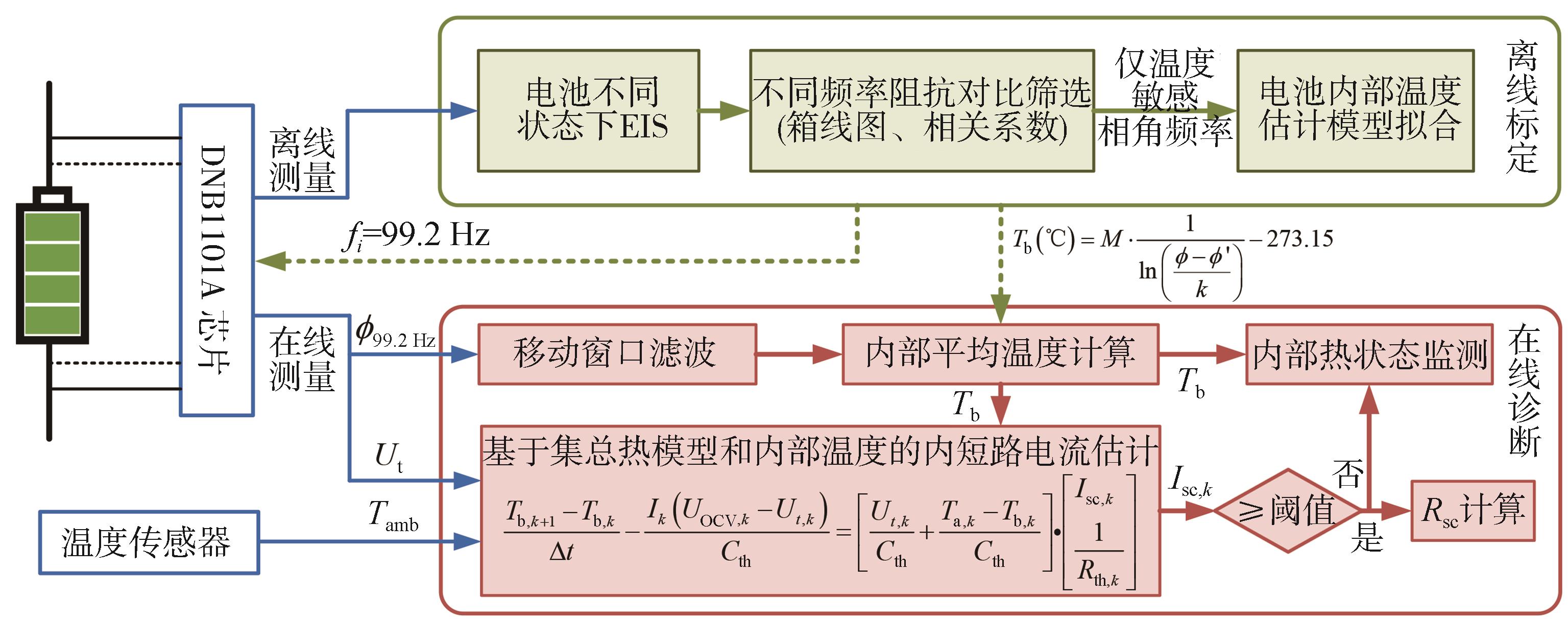
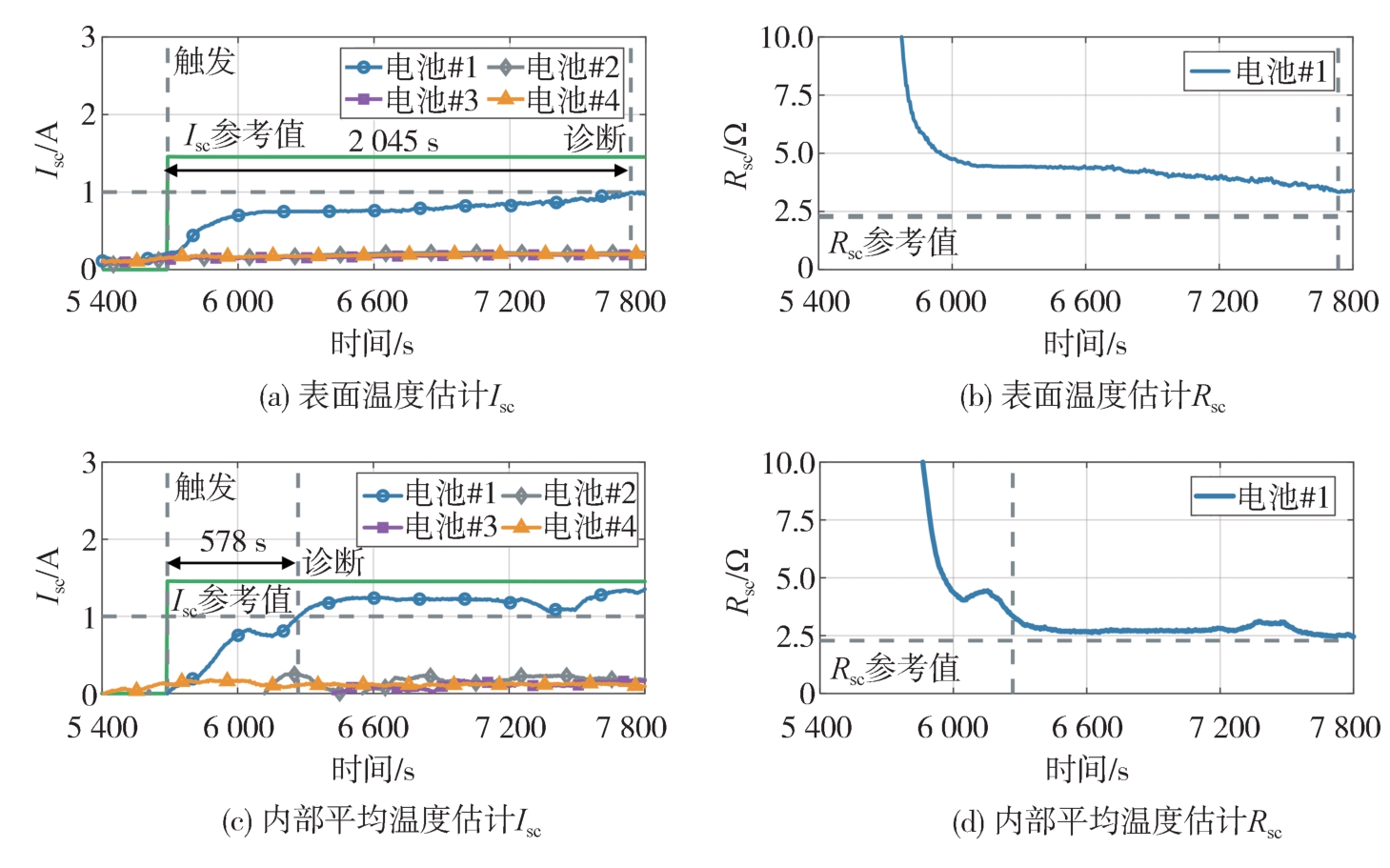
新能源汽车锂离子电池内短路作为电池热失控演化过程的关键环节,严重危害电池安全,目前实时检测手段有限,而基于电化学阻抗谱(EIS)的电池诊断技术展现出巨大潜力。本文利用EIS测量芯片开展了在线锂离子电池内短路诊断策略研究,构建了基于DNB芯片的锂离子电池EIS在线测量方案,完成了内短路电池EIS测量实验,得到了电池内短路下EIS响应和内部平均温度变化规律,提取了对温度敏感的阻抗特征频率。实验表明:测量方案在1 kHz-0.1 Hz频率范围内,阻抗模值相对误差小于5%,100 Hz频率以下,阻抗相角测量误差小于2°。建立了基于阻抗相角的电池内部平均温度估计模型,制定了基于EIS温度监测的电池内短路实时诊断策略,4串LFP电池实验表明:与传统基于表面温度的诊断策略相比,该策略诊断用时缩短1 400 s,且内短路电阻的估计值准确率提升30%。

关键词: 锂离子电池, 电化学阻抗谱, 内部温度估计, 内短路诊断

Abstract:

Internal short circuit (ISC) fault of lithim-ion batteries in new energy vehicles, as a critical stage in the evolution of battery thermal runaway, pose significant threats to battery safety. There is currently a lack of relevant technologies for real-time diagnosis of ISC in lithium-ion batteries,but electrochemical impedance spectroscopy (EIS) technology has shown great potential for ISC diagnosis. In this paper, a research on online ISC diagnosis strategies is conducted for lithium-ion batteries based on EIS measurement chips. A DNB chip based EIS online measurement scheme for lithium-ion batteries is constructed, and EIS measurement experiments for ISC batteries are completed. The EIS response and internal average temperature change laws under ISC are obtained, and temperature sensitive impedance characteristic frequencies are extracted. The experiments show that the measurement scheme has a relative error of impedance modulus less than 5% in the frequency range of 1 kHz-0.1 Hz, and an impedance phase angle measurement error less than 2° below 100 Hz. A model for estimating the average internal temperature of batteries based on impedance phase angle is established, and a real-time diagnosis strategy for ISC based on EIS temperature monitoring is developed. Four series connected LFP batteries experiments show that compared with traditional surface temperature based diagnosis strategies, this strategy shortened the diagnosis time by 1 400 s, with the accuracy of ISC resistance estimation increased by 30%.

Key words: lithium-ion battery, electrochemical impedance spectroscopy, internal temperature estimation, internal short circuit diagnosis